
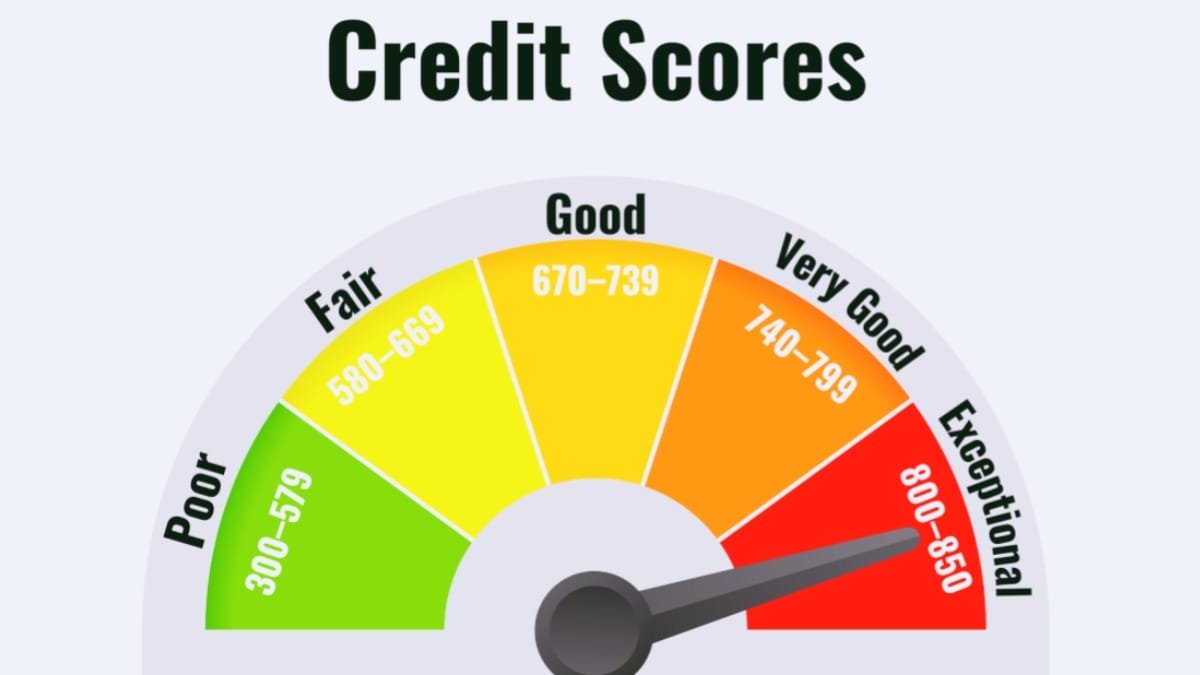
A single late payment can feel like a punch to the gut. You check your credit score, and the number you worked so hard to build has dropped sometimes by 100 points or more. Panic sets in. You start wondering if you’ll ever qualify for a mortgage, a car loan, or even a decent credit card again.
Here’s the reality: a late payment hurts, but it doesn’t have to define your financial future. Credit scoring models are designed to reward consistent, responsible behavior over time. The negative impact of a late payment diminishes as you build a new pattern of on-time payments and smart credit management.
This guide walks you through every step you can take from disputing inaccurate marks to negotiating goodwill deletions, lowering your credit utilization, and using tools like secured cards and authorized user status to accelerate your recovery. Whether your late payment was a one-time oversight or part of a deeper financial struggle, there’s a path forward. Let’s break it down.
How Much Does a Late Payment Actually Hurt Your Credit Score?
The damage depends on several factors: how late the payment was, your starting credit score, and your overall credit history. Payment history is the single most influential factor in your FICO score, accounting for about 35% of the total calculation. That’s why a late payment hits so hard.
A 30-day late payment can drop your score by 100 points or more, especially if you previously had a clean record. If you had a 780 FICO score, a single 30-day late payment on a mortgage could knock you down to approximately 690–720. That’s a massive swing.
Here’s how the severity escalates:
• 30 days late: The first threshold. Your creditor reports it to the credit bureaus, and your score takes a significant hit. You may also face a late fee.
• 60 days late: A more severe negative effect than 30 days. Your creditor may increase your interest rate or reduce your credit limit.
• 90 days late: Even worse. Your account may be flagged as delinquent, and the damage compounds. Remaining delinquent for 90 days can knock more than 170 points off your score.
• 120+ days late: Your account may be charged off, meaning the creditor writes it off as a loss and may send it to collections. This is the most damaging scenario.
The good news is that creditors often don’t report a payment as late until it’s a full 30 days past due. If you’re just a few days late and catch up quickly, you might only pay a late fee no credit report damage. But once that 30-day mark hits, the clock starts on a seven-year reporting period.
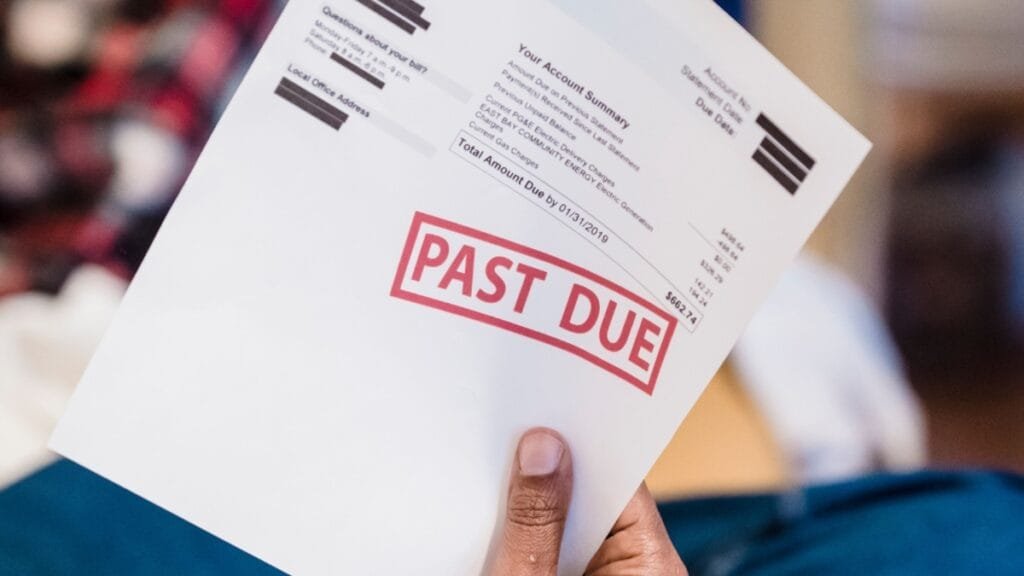
Step 1: Bring the Account Current Immediately
The very first thing you need to do is pay the overdue amount. Every day you wait, the damage deepens. If the payment is still within the 30-day window, you might be able to avoid it being reported to the credit bureaus altogether.
Once you’ve paid, call your lender. Explain the situation honestly. If the delay was due to an operational issue like a bank glitch, a lost payment, or a billing error let them know. Some creditors will work with you to avoid reporting the late payment if you act quickly and have a solid history.
If you’re behind on multiple payments, don’t try to catch up all at once if it means draining your savings. Instead, contact your lender to discuss a hardship plan or restructuring options. Many lenders offer temporary hardship programs that can lower your payments or pause them entirely while you get back on your feet. The key is to communicate before the situation spirals further.
Step 2: Check Your Credit Reports for Errors
Before you start your recovery journey, you need to know exactly what’s on your credit reports. Errors are more common than you might think. A payment you made on time might be marked as late. An account you closed might still show a balance. These inaccuracies can drag your score down unnecessarily.
You’re entitled to a free credit report every week from each of the three major credit bureaus Equifax, Experian, and TransUnion. Pull all three reports and review them carefully.
Look for:
• Payments marked late that you actually made on time
• Accounts that don’t belong to you
• Incorrect balances or credit limits
• Duplicate accounts
• Outdated negative information that should have fallen off
If you find an error, file a dispute with the credit bureau and with the creditor that furnished the information. Consumer protection laws require credit bureaus to investigate your dispute, usually within 30 days, and correct any inaccurate information.

Step 3: Negotiate a Goodwill Deletion with Your Creditor
If your late payment was legitimate meaning you actually paid late you can still ask your creditor to remove it as a courtesy. This is called a goodwill letter.
A goodwill letter is a formal written request asking a creditor to remove a negative mark from your credit report. It’s not a dispute. You’re not claiming the information is wrong. You’re asking for mercy, and you’re backing up that request with a track record of responsible behavior before and after the mistake.
Goodwill letters work best when:
• The late payment was a one-time incident, not a pattern
• You have a long history of on-time payments with that creditor
• The late payment was caused by an extenuating circumstance a medical emergency, a family crisis, or a simple oversight
• You’ve already paid the overdue amount and brought the account current.
Creditors aren’t obligated to agree, and some have policies against goodwill adjustments. But it costs nothing to ask. Write a polite, concise letter explaining what happened, taking responsibility, and emphasizing your otherwise strong payment history. If the creditor agrees, they’ll submit a correction to the credit bureaus, and the late payment will be removed from your report.
Step 4: Lower Your Credit Utilization Ratio
Payment history is the biggest factor in your credit score, but credit utilization is a close second. It accounts for about 30% of your FICO score. This is the percentage of your available revolving credit that you’re actually using.
If you have a $5,000 credit limit and a $2,500 balance, your utilization is 50%. That’s high, and it’s hurting your score. Most experts recommend keeping your utilization below 30% ideally under 10% for the best scores. That same $5,000 limit should carry a balance of no more than $500 if you want to maximize your score.
Here’s how to lower your utilization quickly:
• Pay down balances aggressively. Even a small reduction can help, especially if you’re right at a threshold like 30% or 50%.
• Make multiple payments per month. Your utilization is typically reported to the bureaus on your statement closing date. If you make a payment before that date, your reported balance will be lower.
• Ask for a credit limit increase. If you have a solid payment history with a creditor, request a higher limit. This instantly lowers your utilization ratio without requiring you to pay down debt.
• Keep old accounts open. Closing a credit card reduces your available credit and increases your utilization. Keep old accounts open and active with small, recurring charges that you pay off each month.

Step 5: Use a Secured Credit Card to Build Fresh History
If your credit score has taken a serious hit, you may not qualify for a traditional unsecured credit card. That’s where a secured card comes in.
A secured credit card requires a cash deposit that becomes your credit limit. For example, you deposit $500, and your card has a $500 limit. You use the card for everyday purchases, and you pay the balance off each month. The issuer reports your on-time payments to the credit bureaus, and over time, you build a fresh positive payment history.
When choosing a secured card, look for one that:
• Reports to all three major credit bureaus
• Charges no annual fee or a low annual fee
• Offers a path to upgrade to an unsecured card after a period of responsible use
• Has a reasonable deposit requirement
While fees and interest rates can be high for secured cards, using one responsibly can help you establish a credit record. The key is to treat it like a tool, not a license to spend. Use it for small, planned purchases, and pay the full balance every month.
Step 6: Become an Authorized User on Someone Else’s Account
Another way to add positive payment history to your credit report is to become an authorized user on a trusted family member’s or friend’s credit card account. This strategy is sometimes called “credit piggybacking”.
When you become an authorized user, the primary account holder’s payment history and credit utilization are reported on your credit report as well. If they have a long history of on-time payments and low balances, your score can benefit almost immediately.
But there’s a catch: if the primary account holder misses payments or maxes out the card, it will hurt your credit score too. Only pursue this option with someone who is financially responsible and who you trust completely. You should also confirm that the card issuer reports authorized user activity to the credit bureaus some don’t.
Step 7: Consider Nonprofit Credit Counseling
If your late payment was part of a broader debt problem multiple maxed-out cards, mounting medical bills, or a job loss you may benefit from professional help. Nonprofit credit counseling agencies can review your entire financial situation, help you create a budget, and negotiate with creditors on your behalf.
Participants in debt management programs through nonprofit counseling agencies have seen their credit scores improve by an average of 50 points and their revolving debt drop by $8,000 over an 18-month period. That’s a meaningful recovery.
Credit counseling is different from debt settlement. Counseling is educational and focused on helping you manage your finances. Debt management plans, which some agencies offer, involve consolidating your payments into one monthly amount that the agency distributes to your creditors. This can lower your interest rates and help you pay off debt faster.
If you’re considering credit counseling, look for a certified nonprofit agency. Avoid for-profit debt settlement companies that charge high fees and make promises they can’t keep.
How long does a late payment stay on my credit report?
Late payments remain on your credit report for seven years from the original delinquency date. However, the negative impact diminishes over time, especially as you build a new history of on-time payments.
Can I remove a late payment if it was a mistake?
Yes. If the late payment is inaccurate, you can dispute it with the credit bureaus and the creditor. You’ll need to provide documentation showing that you paid on time.
Does paying off a late payment remove it from my credit report?
No. Paying the overdue amount stops the damage from worsening and prevents the account from being sent to collections, but the late payment record itself remains on your report for seven years.
How long does it take to see my credit score improve?
You may see small improvements within 1-3 months of lowering your utilization and making on-time payments. More significant improvements typically take 6-12 months or longer, depending on the severity of the negative marks on your report.
Is it worth hiring a credit repair company?
Most credit repair companies charge fees for services you can do yourself for free like disputing errors, negotiating with creditors, and building positive payment history. Consumer advocates generally recommend avoiding companies that promise to remove accurate negative information, as that’s not possible.

The Bottom Line
A late payment is a setback, not a life sentence. The most important thing you can do is stop the bleeding: pay the overdue amount, bring the account current, and commit to never missing a payment again.
From there, the path forward is about consistency. Lower your credit utilization. Dispute any errors on your reports. Ask for a goodwill deletion if it was a one-time slip. Use a secured card or become an authorized user to add fresh positive history. And if you’re drowning in debt, reach out to a nonprofit credit counselor who can help you build a realistic plan.
Your credit score will recover. It won’t happen overnight, but with every on-time payment and every balance you pay down, you’re proving to lenders that the late payment was an exception not the rule.
This article is for general informational purposes only and does not constitute financial, legal, or credit repair advice. Credit scoring models and reporting timelines are subject to change. For personalized guidance, consult a nonprofit credit counselor or a qualified financial professional. You can obtain free credit reports from each of the three major credit bureaus.