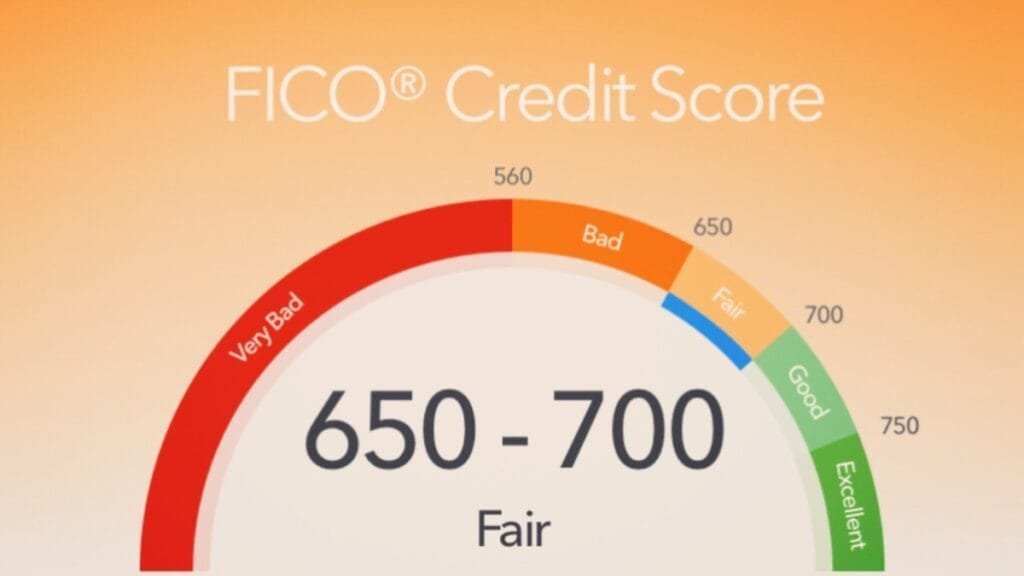
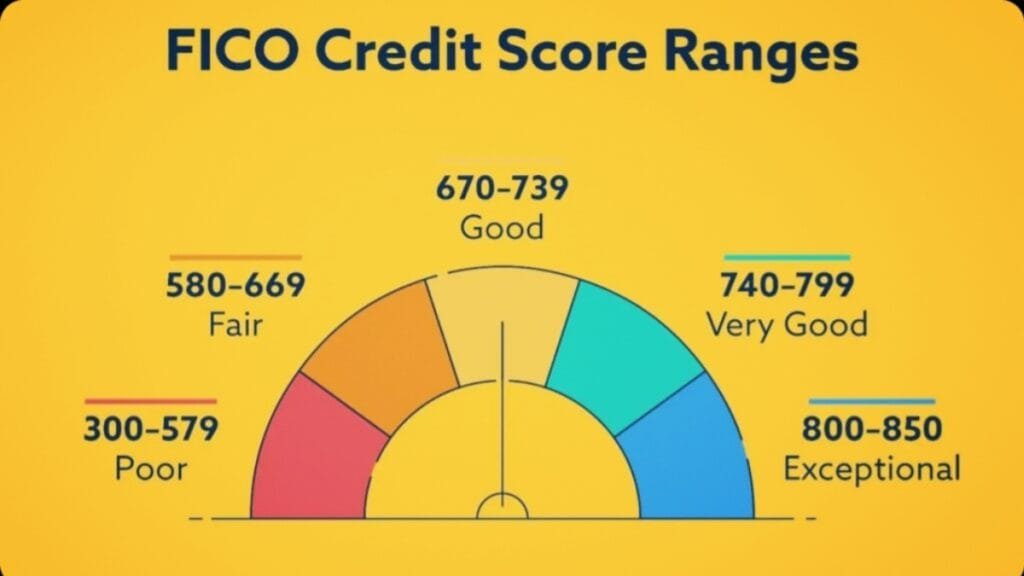
A single late payment can feel like a financial earthquake. You check your credit score, see a drop of 60, 80, or even 100 points, and the anxiety sets in. Will this follow you forever? Will lenders reject you? The truth is both more sobering and more hopeful than you might expect. That late payment will stay on your credit report for seven years, but its grip on your score weakens significantly with time and with the right habits.
According to FICO data, a 30-day late payment can cause an excellent score to fall by 63 to 83 points, while a fair score may drop by 17 to 37 points. A 90-day late payment is even more severe, with excellent scores plunging by as much as 133 points. The recovery path is not instant, but it is well-documented.
What matters most now is understanding exactly how late payments work, what the newest scoring models mean for your situation, and which actions actually move the needle. This guide walks you through the entire process, from the first 30 days after the missed payment to the long game of rebuilding a score that lenders trust again.
What Actually Happens When You Pay Late
The first thing to understand is that “late” means different things to your lender and to the credit bureaus. Your credit card issuer might charge you a late fee the day after your due date, but they typically do not report that missed payment to Experian, Equifax, or TransUnion until you are at least 30 days past due.
That 30-day window is your last real chance to avoid lasting damage. If your full payment is received and credited within 29 days of the due date, the late payment generally will not appear on your credit report at all, though you may still owe a late fee depending on your lender’s grace period policies.
Once a payment crosses the 30-day threshold, the creditor can report it as delinquent. From that moment, the clock starts on a seven-year window. The late payment remains on your credit report for seven years from the date of the original delinquency. However, and this is the part that gives people hope, its influence over your score shrinks over time.
A late payment from four years ago carries far less scoring damage than one from six months ago. The first two years are when the impact is strongest. Years three through five see a moderate effect. By years six and seven, the negative mark has minimal influence on your score, even though it is still technically visible to anyone who pulls your full report.
The severity of the late payment also escalates with time. A 30-day late payment is the first official negative mark. A 60-day late payment signals a continuing financial problem and is more damaging. A 90-day or longer delinquency is considered severe, and at that stage, your account is at high risk of being charged off by the lender and sold to a collections agency. Some scoring models treat a 90-day late payment as nearly as damaging as a bankruptcy. If you are already past 30 days late, paying the balance as quickly as possible is critical to stopping the damage from escalating further.
The New Scoring Models Are Watching More Closely
The New Scoring Models Are Watching More Closely
If you are recovering from a late payment in 2025 or 2026, you need to understand that the credit scoring landscape is shifting. The newest FICO models, particularly FICO Score 10 and FICO Score 10T, treat late payments more severely than previous generations. Under FICO Score 10, people who miss payments are likely to experience a more severe drop in their credit scores than they would have under older models. This is not a reason to panic, but it is a reason to be more disciplined about avoiding future late payments.
The bigger change is the shift toward trended data. FICO Score 10T and VantageScore 4.0 both look at patterns over time, examining up to 24 months of payment and balance history, rather than just a single snapshot of your current situation.
This means the scoring models can see whether your balances are improving, staying flat, or increasing, and whether your payment behavior is consistently responsible or repeatedly problematic. On the positive side, this also means that a missed payment from months ago may carry less weight if you have since established a strong pattern of on-time payments. The models reward consistency and improvement.
Another significant development is the inclusion of Buy Now, Pay Later (BNPL) loans in certain FICO score models, beginning in fall 2025. BNPL payments are now being reported like other credit obligations. If you use BNPL responsibly and pay on time, it can help build your credit history, especially if you have a thin file.
But missed or late BNPL payments can negatively impact your score just like any other late payment. The same principle applies to rent and utility payments, which VantageScore 4.0 and some newer models can now incorporate as alternative data. Paying these on time can help demonstrate responsible financial habits, but falling behind can now show up in ways they previously did not.
Step One: Stop the Bleeding Immediately
The absolute first priority after a late payment is to prevent the situation from getting worse. That means bringing the past-due account current as quickly as possible. Contact your lender, explain your situation, and ask about your options. Many lenders understand that people go through tough financial times and may be willing to work out a payment plan, offer a hardship program, or even reverse a late fee. The key is to communicate before the account falls further behind. If you are dealing with a debt collector, know your rights under the Fair Debt Collection Practices Act and respond appropriately.
Once the account is current, the second priority is to make sure it never happens again. Set up automatic payments for at least the minimum amount due on every account you have. This is the single cheapest and most effective move you can make to protect your score going forward. Automatic payments eliminate the risk of human error, forgetfulness, and the chaos of a busy month.
Just be sure you have enough money in your bank account to cover the automatic withdrawals. If cash flow is tight, consider adjusting the autopay amount to the minimum and then making additional payments manually when you can.
Pull Your Credit Reports and Look for Errors
Step Two: Pull Your Credit Reports and Look for Errors
Before you start rebuilding, you need to know exactly what is on your credit reports. You can access all three of your reports from Experian, Equifax, and TransUnion once a year for free through AnnualCreditReport.com. Read through each report carefully and look for false late payments, accounts that are not yours, incorrect balances, or duplicate entries. Errors on credit reports are more common than most people realize, and one of the most frequent problems the Consumer Financial Protection Bureau helps with is credit report mistakes.
If you find a late payment that is genuinely inaccurate, you have the right to dispute it. You can file a dispute directly with the credit bureau that reported the error. If the same mistake appears on all three reports, you will need to file three separate disputes.
Gather any evidence you have, such as bank statements or payment confirmations, and submit it with your dispute. The credit bureau is required to investigate and correct inaccurate information. Removing a single erroneous collection or late payment can boost your score by 20 to 50 points, so this step is worth the effort.
If the late payment is accurate, disputing it will not work. But you still have another option: a goodwill letter. A goodwill letter is a formal written request asking your creditor to remove a legitimate negative mark from your credit report as a courtesy. It is not a dispute. You are acknowledging that the late payment happened and asking the creditor to consider removing it anyway based on your otherwise good history with them.
Goodwill letters are most effective when the late payment was a one-time incident, such as an auto-pay mix-up or a family emergency, and when you have been a customer in good standing for years. They do not work for multiple late payments, collections, or charge-offs. But for a single slip-up, it costs nothing to ask.
Step Three: Attack Your Credit Utilization
Payment history is the single largest factor in your FICO score, making up 35 percent of the calculation. But once you have addressed the late payment and set up safeguards against future misses, the fastest way to see score improvement is to lower your credit utilization. Credit utilization is the percentage of your available revolving credit that you are using at any given time. It accounts for 30 percent of your FICO score, and it is the factor most within your control on a month-to-month basis.
The conventional advice is to keep your utilization below 30 percent. But the people with the highest credit scores typically keep their utilization below 10 percent. The lower it is, the better. If you are carrying balances on multiple cards, focus on paying down the card with the highest utilization first, or consider a debt consolidation strategy if you can qualify for a lower interest rate. Paying balances down to under 30 percent, and ideally under 10 percent, is the second most effective move you can make after ensuring on-time payments.
One important nuance: paying off a collection account does not automatically remove it from your credit report. Under modern scoring models like FICO 9 and VantageScore 3.0 and 4.0, paid collection accounts are ignored for scoring purposes, but the collection itself may still appear on your report for seven years. Paying it off changes the status to “paid” or “settled,” which is better than leaving it unpaid, but it does not erase the record. This is why preventing late payments from turning into collections in the first place is so important.
Add Positive Information to Your Credit File
Step Four: Add Positive Information to Your Credit File
While you wait for the negative mark to age, you can actively add positive information to your credit report to dilute its impact. One of the quickest ways to do this is to become an authorized user on someone else’s credit card account. If a trusted family member or friend adds you as an authorized user on a card with a long history of on-time payments and low balances, their positive payment history and low utilization will start reflecting on your credit report. You do not need to use the card or even have access to it. You just need to be added to the account.
This strategy, sometimes called credit piggybacking, can produce a noticeable score improvement relatively quickly. But there is a risk: if the primary account holder misses a payment or carries a high balance, your credit score could be negatively affected. Make sure you trust the person completely and that they have a strong record of responsible credit management. You can always ask to be removed from the account if the situation changes. In some cases, being removed from an account with a history of late payments or high utilization can actually cause your score to improve.
Another option is to open a secured credit card. A secured card requires a cash deposit that serves as your credit limit, which makes it easier to qualify for if your credit has taken a hit. Used responsibly, with small purchases and on-time payments in full each month, a secured card can help you rebuild positive payment history. Most people begin to see improvement in three to six months, though the exact timeline depends on your starting point and overall financial habits. The key is to choose a secured card that reports to all three major credit bureaus, because if the issuer does not report your activity, it will not help your credit.
Credit-builder loans are another tool worth considering. These are small installment loans designed specifically for people with no credit history or damaged credit. The lender places the loan proceeds in a savings account or certificate of deposit, and you make monthly payments. Each on-time payment is reported to the credit bureaus, gradually building a positive payment history.
At the end of the loan term, you receive the funds. Research from the Consumer Financial Protection Bureau found that a credit-builder loan increased the likelihood of establishing a credit score for participants without an existing loan by 24 percent, and those participants saw their scores increase by 60 points more than participants with existing debt. Pairing a secured card with a credit-builder loan can also help diversify your credit mix, which accounts for 10 percent of your FICO score.
Be Patient and Protect Your Progress
Step Five: Be Patient and Protect Your Progress
Recovering from a late payment is not a sprint. It is a marathon. The first three to six months after the missed payment are when the damage is sharpest, and consistent on-time payments from that point onward are the single most important lever you have.
Minor late payments typically impact your credit score for around 12 to 24 months, with the influence shrinking gradually as time passes. Beyond two to three years of consistently on-time payments, the late payment has little live influence on your score, even though it remains on your report for the full seven years.
While you are rebuilding, avoid actions that could set you back. Do not close old credit cards, because doing so reduces your total available credit and lowers the average age of your accounts, both of which can hurt your score. Do not apply for multiple new credit cards in a short period, because each hard inquiry can lower your score by a few points.
If you need to apply for a mortgage or auto loan, try to keep all your applications within a 45-day window, because FICO scoring counts mortgage and auto loan inquiries made within that period as a single inquiry.
Also, keep an eye on your credit reports throughout the recovery process. Regular monitoring will help you catch any new errors or signs of fraud early. As scams and identity theft continue to rise, fraud protection tools and credit alerts have evolved to limit long-term damage. Faster safeguards can help protect your score when fraudulent accounts or inquiries are reported, and quicker detection means errors get resolved faster. Checking your own credit report does not impact your score, so there is no downside to staying informed.
How Long Will It Really Take?
How Long Will It Really Take?
The honest answer is that it depends on where you started and how severe the late payment was. If you had a strong credit score before the late payment and this was your first mistake, you might see a significant drop initially, but your score could begin to recover within six to 12 months of consistent on-time payments.
If you had multiple late payments or your score was already in the fair or poor range, the recovery timeline will be longer. Some people see meaningful improvement in three to six months, while others need 12 to 24 months to get back to where they were.
The national average FICO score fell to 715 in 2025, down from 718 two years earlier, largely due to rising delinquency rates on credit cards, auto loans, and personal loans. Student loan delinquencies also rose sharply after the pandemic-era payment pause ended, with millions of borrowers seeing their scores drop by more than 100 points.
If you are among the many Americans navigating a credit setback, you are not alone. The system is designed to recognize change and improvement over time. The scoring models can see when someone is going through financial hardship, but they also recognize when that person is making a comeback.
What matters most is what you do from this point forward. Every on-time payment adds a positive data point. Every month you keep your balances low strengthens your profile. Every year that passes reduces the weight of the old late payment. The path back to a strong credit score is not glamorous, but it is clear. Pay on time, keep your balances low, be patient, and let time do its work.
This article is for informational purposes only and does not constitute financial, legal, or credit repair advice. Credit scoring models and lender policies can change. then contact the Consumer Financial Protection Bureau directly.
रश्मि शर्मा, पत्रकार व लेखिका। 8+ वर्षों का अनुभव।
विशेषज्ञता: नेशनल और अंतरराष्ट्रीय राजनीति, क्रिकेट-ओलंपिक, शेयर बाजार, अर्थव्यवस्था, AI-टेक, विज्ञान, स्वास्थ्य नीति व अर्थव्यवस्था, मनोरंजन।
जटिल खबरों को सरल भाषा में समझाना मेरी पहचान।