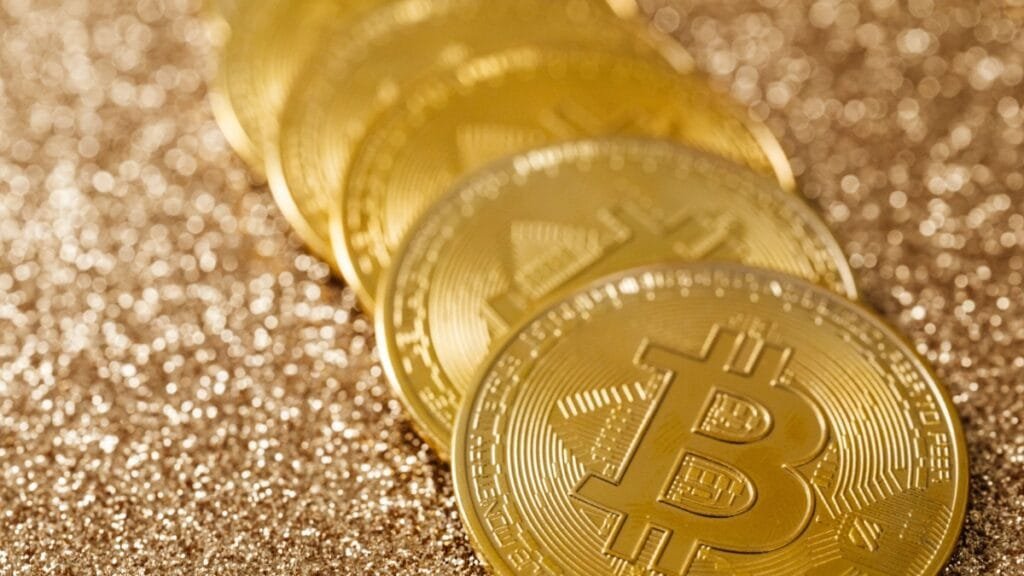
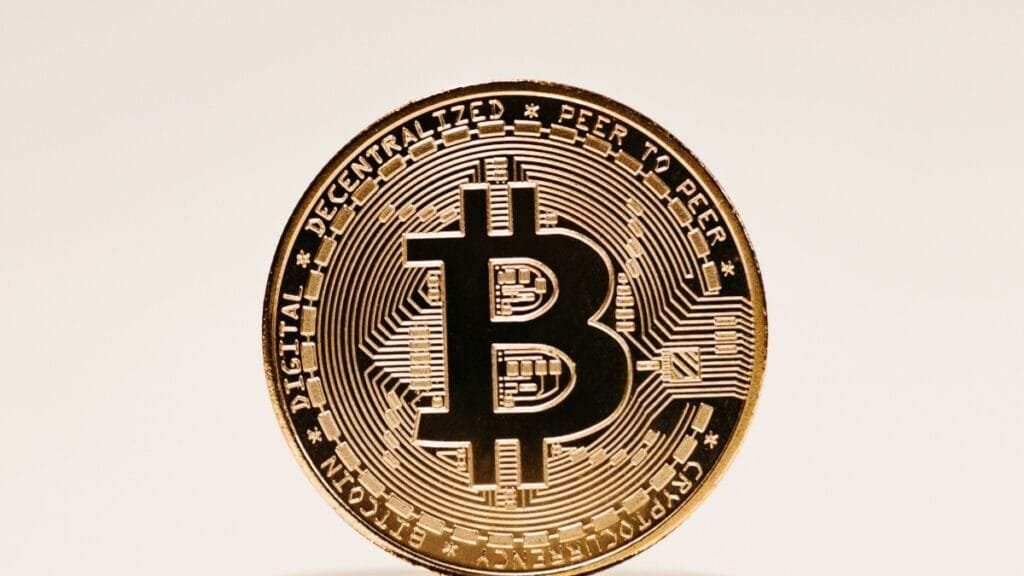
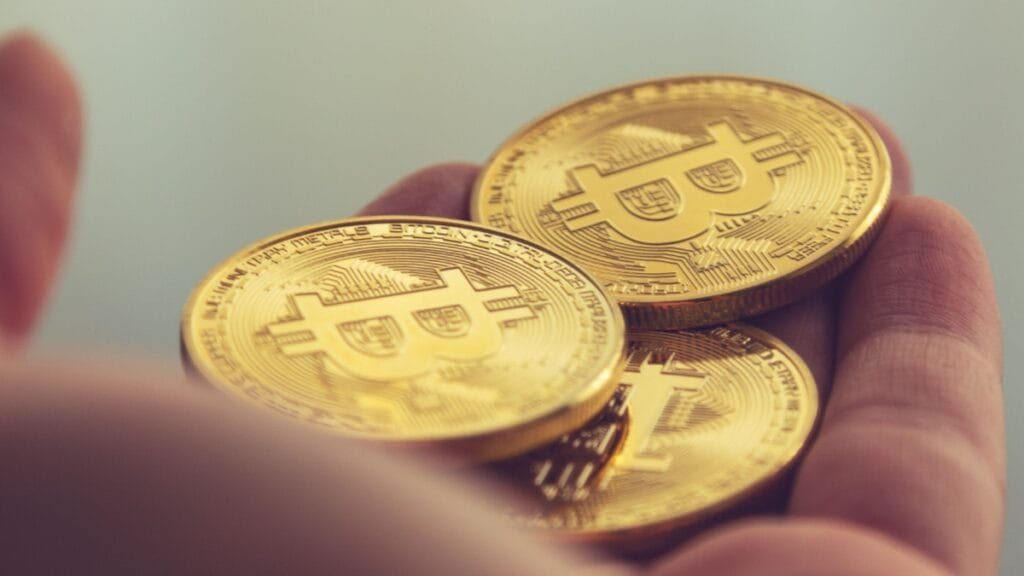
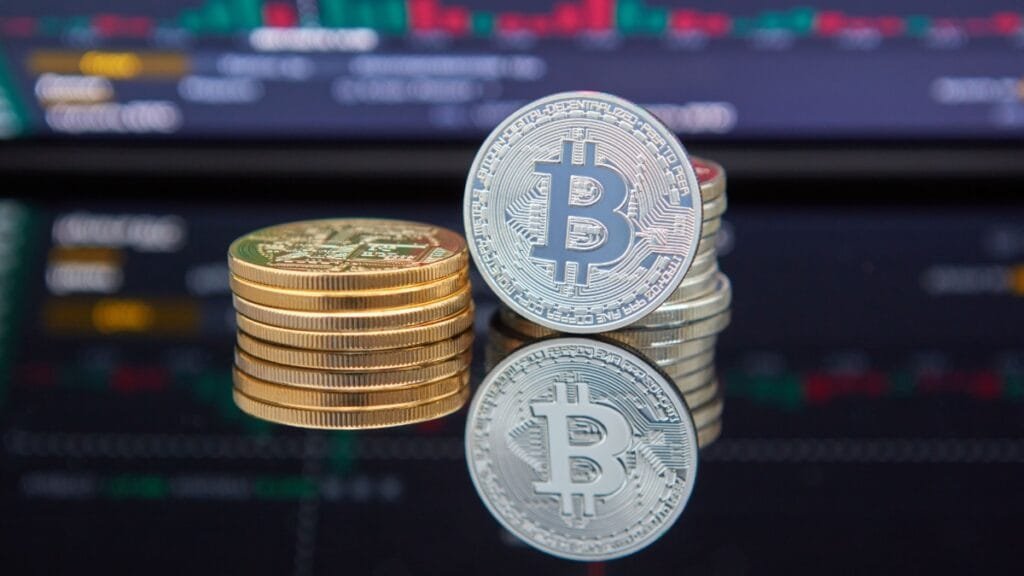
Bitcoin has become a global phenomenon, capturing the attention of everyone from Wall Street giants to first-time investors in India. Its journey from an obscure digital experiment to a trillion-dollar asset has been nothing short of remarkable. Yet, for all its fame, Bitcoin remains shrouded in mystery for many. Can you really buy a whole Bitcoin with just a hundred rupees? Is it safe? What exactly is it, and how does it work? This comprehensive guide is designed to answer all these questions and more. We will break down the fundamentals of Bitcoin in a clear, straightforward way, covering its technology, how to buy it, how to keep it safe, and what the future might hold for this revolutionary digital money.
Bitcoin is not just another investment asset; it represents a fundamental shift in how we think about money, value, and trust. In a world where central banks can print unlimited money, Bitcoin offers an alternative, a currency with a mathematically guaranteed supply cap. This idea has resonated with millions of people across the globe, from tech enthusiasts and libertarians to institutional investors and even governments. Over the past decade, Bitcoin has survived numerous challenges, including regulatory crackdowns, exchange hacks, and extreme price volatility. Each time, it has emerged stronger, proving its resilience and cementing its position as the undisputed leader of the cryptocurrency ecosystem. Whether you are a complete beginner or someone looking to deepen your understanding, this article will provide you with a solid foundation to navigate the world of Bitcoin with confidence.
What is Bitcoin and How Does It Work?
At its core, Bitcoin is the world’s first decentralized digital currency. It was created in 2009 by an anonymous person or group known as Satoshi Nakamoto. The core idea was to create a peer-to-peer electronic cash system that allows people to send and receive value directly over the internet without needing a bank or any other intermediary. This was a radical departure from the traditional financial system, which relies on trusted third parties like banks, payment processors, and governments to verify and settle transactions. Satoshi’s vision was to eliminate the need for such intermediaries, thereby reducing costs, increasing speed, and giving people full control over their own money.
The foundation of Bitcoin is a revolutionary technology called the blockchain. Think of the blockchain as a massive, public, and digital record book, or a ledger, that stores every single Bitcoin transaction ever made. This ledger is not stored in one single place but is copied across thousands of computers all over the world, making it highly secure and transparent. Each computer that holds a copy of the blockchain is called a “node.” When a new transaction is made, it is broadcast to the entire network of nodes. These nodes then work together to validate the transaction, ensuring that the sender has enough Bitcoin and that the transaction is legitimate. Once validated, the transaction is grouped with other recent transactions into a “block.” This block is then added to the existing chain of blocks, creating a permanent and unalterable record. This is why the technology is called a blockchain, it is a chain of blocks.
New Bitcoins are created through a process called mining. Mining serves two critical purposes. First, it is the mechanism through which new Bitcoins are introduced into circulation. Second, it is the process that secures the Bitcoin network and validates transactions. Miners use powerful computers to solve complex mathematical puzzles. The first miner to solve the puzzle gets the right to add the next block of transactions to the blockchain. As a reward for their efforts and for securing the network, miners receive newly created Bitcoins and any transaction fees attached to the transactions in that block. This process is also what ensures that no one can spend the same Bitcoin twice, solving what is known as the “double-spend problem.” The difficulty of these mathematical puzzles adjusts automatically every two weeks to ensure that a new block is added to the blockchain approximately every ten minutes. This self-adjusting mechanism is one of the elegant features that makes Bitcoin so robust and reliable.
A key feature of Bitcoin is its fixed supply. The total number of Bitcoins that can ever exist is capped at 21 million, a limit hardcoded into the system by Satoshi Nakamoto. This means that there will never be more than 21 million Bitcoins in existence. This built-in scarcity is a major reason why many people view Bitcoin as “digital gold.” Unlike fiat currencies, which can be printed in unlimited quantities by central banks, Bitcoin has a predictable and diminishing supply schedule. This makes it an attractive hedge against inflation and currency devaluation. As of 2026, over 19.8 million Bitcoins have already been mined, leaving less than 1.2 million yet to be created. The rate at which new Bitcoins are created is cut in half approximately every four years through an event called the “halving.” This halving ensures that the total supply remains capped and that Bitcoin becomes increasingly scarce over time, which is a key driver of its long-term value proposition.
Bitcoin Halving
Bitcoin Halving: The Engine Behind Scarcity
One of the most important events in the Bitcoin ecosystem is the halving. A halving occurs approximately every four years, or more precisely, every 210,000 blocks. During this event, the reward that miners receive for adding a new block to the blockchain is cut in half. When Bitcoin was launched in 2009, the block reward was 50 Bitcoins. The first halving occurred in 2012, reducing the reward to 25 Bitcoins. The second halving in 2016 reduced it to 12.5 Bitcoins, and the third in 2020 reduced it to 6.25 Bitcoins. In 2024, the most recent halving reduced the reward to 3.125 Bitcoins per block. The next halving is expected to occur in 2028, which will further reduce the reward to 1.5625 Bitcoins.
Why is the halving so significant? The halving is a deliberate mechanism designed to control the supply of Bitcoin and mimic the scarcity of precious metals like gold. By reducing the rate at which new Bitcoins are created, the halving ensures that the total supply approaches its 21 million cap gradually. This predictable scarcity is a fundamental part of Bitcoin’s value proposition. Historically, each halving has been followed by a significant bull run in Bitcoin’s price. This is because the reduction in supply, combined with increasing demand, creates upward pressure on the price. While past performance is not indicative of future results, the halving remains one of the most closely watched events in the cryptocurrency world. It serves as a reminder that Bitcoin is a deflationary asset, designed to become more scarce and valuable over time, assuming demand remains steady or increases.
Can I Buy 1 Bitcoin for 100 Rupees?
Can I Buy 1 Bitcoin for 100 Rupees?
This is one of the most common questions, and the answer is both simple and crucial for a beginner to understand. No, you cannot buy 1 Bitcoin for 100 rupees. The price of one whole Bitcoin is very high. For example, in late June 2026, the price of 1 Bitcoin was over ₹6.3 million, which is approximately 63 lakh rupees. At this price, 100 rupees would buy you only a tiny fraction of a Bitcoin. However, this does not mean you cannot buy Bitcoin with a small budget. Bitcoin is incredibly divisible. The smallest unit of Bitcoin is called a “Satoshi” or “sat,” named after its anonymous creator. One Bitcoin is equal to 100 million Satoshis. This means that even with 100 rupees, you can buy a certain number of Satoshis. You are essentially buying a piece of the whole.
When you use a trusted platform to buy Bitcoin, you do not need to worry about calculating Satoshis manually. You simply enter the amount of money you want to spend in rupees, and the platform will automatically show you the equivalent amount of Bitcoin you will receive at the current market rate. For example, if Bitcoin is trading at ₹6,300,000 and you spend ₹100, you would receive approximately 0.00001587 Bitcoin, which is about 1,587 Satoshis. This accessibility is one of the great things about Bitcoin — you do not need to be wealthy to start investing. You can start with as little as ₹100 or even less, depending on the minimum investment limit set by the exchange.
Today, this process is easier than ever in India. There are several well-known and trusted cryptocurrency exchanges and apps that make buying Bitcoin simple and secure. Some of the most popular platforms in India include Coinbase, ZebPay, WazirX, and CoinDCX. The typical steps to buy Bitcoin on these platforms are straightforward. First, you need to sign up and create an account. This usually requires providing your email address, phone number, and creating a strong password. Next, you will need to complete the Know Your Customer verification process. This is a legal requirement and involves submitting a government-issued identity proof, such as your Aadhaar card or PAN card, and sometimes a selfie for verification. Once your account is verified, you can add a payment method. Most platforms allow you to link your bank account for direct transfers or use a debit or credit card for instant purchases. After funding your account, you can place your buy order, review the details, and confirm the transaction. The Bitcoin will be credited to your exchange wallet almost instantly.
Is Bitcoin Safe?
Is Bitcoin Safe? A Look at Security and Risks
The security of Bitcoin is a two-part question: Is the network itself safe? And is my Bitcoin safe? The Bitcoin network is exceptionally secure. It relies on advanced cryptography and the decentralized blockchain, which is maintained by thousands of computers, or nodes, all over the world. To hack or alter the Bitcoin network would require an attacker to control more than 51% of the network’s total computing power, a feat that is practically impossible due to the immense cost and resources required. This makes the Bitcoin network one of the most secure digital systems in existence. Additionally, all transactions on the Bitcoin network are public, transparent, and permanently recorded on the blockchain, making fraud and manipulation extremely difficult.
However, the safety of your Bitcoin depends entirely on how you store it. This brings us to the most important rule in the cryptocurrency world: Not your keys, not your crypto. This means that if you do not control the private keys to your Bitcoin wallet, you do not truly own your Bitcoin. A private key is like a secret password that gives you access to your Bitcoin on the blockchain. If you lose your private keys or if they are stolen, you lose access to your Bitcoin permanently, with no recourse or customer support to help you recover it.
There are two main types of wallets for storing Bitcoin: Hot wallets and Cold wallets. Hot wallets are connected to the internet. These include mobile apps, desktop software, and the wallets provided by cryptocurrency exchanges. They are very convenient for frequent trading, making payments, or keeping small amounts of Bitcoin easily accessible. However, because they are online, they are more vulnerable to hacking, malware, and phishing attacks. Cold wallets, also known as hardware wallets, are physical devices that store your private keys offline. These devices look like USB drives and are not connected to the internet when not in use. This makes them virtually immune to online hacking attempts. Cold wallets are considered the safest way to store Bitcoin for the long term, especially for large amounts.
The risk of leaving your Bitcoin on an exchange is significant. Exchanges are prime targets for hackers, and if an exchange is compromised, goes bankrupt, or freezes withdrawals, you could lose all your funds. This has happened multiple times in the history of cryptocurrency, with notable exchange hacks resulting in millions of dollars in losses. Even with cold storage, you must always be vigilant against phishing scams and social engineering attacks, where malicious actors try to trick you into revealing your private keys or secret recovery phrase. Always double-check website URLs, never share your private keys with anyone, and be extremely cautious of unsolicited messages or emails asking for your wallet information.
How to Buy Bitcoin in India: A Detailed Step-by-Step Guide
Buying Bitcoin in India has become a straightforward and hassle-free process for anyone with a smartphone and a bank account. Here is a detailed step-by-step guide to help you navigate the process with confidence. The first and most important step is to choose a reliable and secure platform or exchange. This is your entry point into the world of cryptocurrencies, so it is crucial to select a platform that is reputable, licensed, and has strong security measures in place. In India, some of the most popular and trusted exchanges include Coinbase, ZebPay, WazirX, and CoinDCX. Each of these platforms offers a user-friendly mobile app and web interface, making it easy for beginners to start buying Bitcoin. When choosing an exchange, consider factors such as fees, payment methods supported, customer support, and the range of cryptocurrencies offered.
Once you have chosen an exchange, you will need to sign up for an account. This process is typically quick and can be completed within a few minutes. You will need to provide your full name, email address, and phone number, and create a strong, unique password. After registration, the next step is Know Your Customer verification. This is a mandatory legal requirement mandated by the Reserve Bank of India and other regulatory bodies to prevent money laundering and financial fraud. You will be asked to upload a government-issued identity proof, such as your Aadhaar card, PAN card, or driver’s license. Some platforms may also ask for a selfie or video verification to confirm your identity. The verification process can take anywhere from a few minutes to a couple of hours, depending on the platform and the volume of requests.
After your account is verified, you can add a payment method. Most Indian exchanges allow you to connect your bank account via UPI, net banking, or IMPS for seamless and low-cost transfers. Some platforms also accept debit card and credit card payments, although these may come with higher transaction fees. Once your payment method is linked, you are ready to make your first purchase. On the exchange’s interface, you will see the current live price of Bitcoin in rupees. You can then enter the amount you wish to spend in rupees, and the platform will automatically calculate the equivalent amount of Bitcoin you will receive. Before confirming the order, double-check all the details, including the amount of Bitcoin, the total cost, and any applicable transaction fees. Once you are satisfied, click on the buy button to execute the trade. The purchased Bitcoin will be credited to your exchange wallet almost instantly.
It is important to note that owning Bitcoin on an exchange is not the same as owning it in a private wallet. While keeping your Bitcoin on an exchange is convenient for trading, it is not recommended for long-term storage due to security risks. For larger amounts, experts strongly advise transferring your Bitcoin to a private wallet, preferably a hardware wallet, where you control the private keys. If you decide to keep your Bitcoin on an exchange, enable all available security features, such as two-factor authentication, withdrawal whitelists, and email notifications for all transactions.
How Much Will $1 in Bitcoin
How Much Will $1 in Bitcoin Be Worth in 2030?
Predicting the future price of Bitcoin is a popular game among analysts, investors, and enthusiasts, but it is impossible to do with absolute certainty. Bitcoin’s price is driven by a complex interplay of supply and demand, influenced by factors such as market sentiment, regulatory developments, technological advancements, institutional adoption, and macroeconomic conditions. Despite the inherent uncertainty, several major financial institutions and investment firms have published their own price projections based on sophisticated models and historical data.
For instance, WisdomTree, a leading asset management firm, created three distinct scenarios for Bitcoin’s price in 2030 based on how global money supply and adoption might evolve. In their “base case” scenario, which assumes moderate inflation and continued adoption of Bitcoin as a store of value, they project Bitcoin could reach $250,000 by 2030. In a more optimistic “inflationary case,” where inflation remains high and Bitcoin gains significant traction as a hedge, they see it hitting $500,000. On the more conservative end, even their “deflationary case” suggests a price of $120,000, reflecting continued but slower growth. These projections are based on the idea that as more institutions and individuals adopt Bitcoin, its value will rise in proportion to its increasing scarcity.
On the other hand, Ark Investment Management, led by Cathie Wood, has a much more bullish outlook. Their research suggests that Bitcoin could reach nearly $800,000 per coin by 2030. They base this on several catalysts, including growing institutional investment, Bitcoin’s role as “digital gold,” and potential adoption by nation-states and corporations as part of their treasury reserves. Some even more optimistic analysts have predicted prices in the range of $1 million or more, especially if the U.S. dollar weakens significantly or if Bitcoin becomes a major reserve currency. However, it is crucial to temper these optimistic projections with caution. The cryptocurrency market is famously volatile, and even the most sophisticated models can be upended by unexpected events such as regulatory crackdowns, technological failures, or shifts in investor sentiment. Some analysts have also pointed to slowing demand for Bitcoin and increasing competition from other cryptocurrencies as reasons to be skeptical of such high price targets.
A wiser approach than trying to time the market or chase speculative gains is to use a strategy called dollar-cost averaging. This involves investing a fixed amount of money into Bitcoin at regular intervals, regardless of its price. This reduces the risk of making a large purchase at a bad time and smooths out the effects of volatility over the long term. It is a strategy recommended by many financial advisors for investors looking to build a position in Bitcoin without the stress of trying to predict short-term price movements.
The Role of Bitcoin in a Modern Portfolio
For many investors, Bitcoin has evolved from a fringe asset into a legitimate component of a diversified investment portfolio. Its primary appeal lies in its potential as a store of value, an inflation hedge, and a way to add an asset with returns that are not perfectly correlated with traditional markets like stocks and bonds. As long as central banks continue to print money and inflation erodes the purchasing power of fiat currencies, many investors will look to Bitcoin as a way to preserve their wealth over the long term. This narrative has gained significant traction, especially among institutional investors, hedge funds, and even publicly traded companies.
Bitcoin’s fixed supply of 21 million coins is a key factor driving its appeal as an inflation hedge. Unlike fiat currencies, which can be debased through excessive money printing, Bitcoin’s supply is mathematically capped and predictable. This makes it an attractive alternative to traditional safe-haven assets like gold, which also has a limited supply but is less portable and difficult to divide. Bitcoin, on the other hand, is highly divisible, easily transferable across borders, and can be stored with minimal cost, making it a more convenient store of value in the digital age.
However, experts advise caution. Bitcoin is a highly volatile asset, and no one can guarantee it will recover from a sell-off, even if it has done so in the past. In 2025 and 2026, Bitcoin’s price has experienced significant drops, which is part of its characteristic four-year cycle of boom and bust, often tied to its halving event. Some view these downturns not as a reason to panic, but as a buying opportunity, especially for long-term investors who believe in the fundamental thesis of Bitcoin. The cryptocurrency is often called “digital gold,” and this analogy is becoming more relevant as governments and institutions begin to take it seriously, with the United States even establishing a Strategic Bitcoin Reserve as of 2025. This is a significant milestone that signals growing mainstream acceptance of Bitcoin as a legitimate asset class.
For those who believe in the long-term thesis, Bitcoin offers a unique opportunity to diversify away from traditional financial assets and protect against the risks of fiat currency debasement. However, for others, the volatility is too much to handle. The role of Bitcoin in a portfolio is ultimately a personal choice based on an individual’s risk tolerance, conviction in the technology, and investment goals. Financial advisors generally recommend that investors allocate only a small percentage of their total portfolio to Bitcoin, typically between 1% to 5%, due to its high risk profile. This ensures that even in the event of a significant price drop, the overall portfolio is not unduly harmed.
Understanding Bitcoin ETFs
Understanding Bitcoin ETFs: An Alternative to Direct Ownership
Not everyone is comfortable with managing their own crypto wallets, private keys, and navigating the technical intricacies of buying and storing Bitcoin. For these investors, a spot Bitcoin Exchange Traded Fund, like the iShares Bitcoin Trust offered by BlackRock, provides a convenient and familiar alternative. These ETFs are traded on traditional stock exchanges, just like shares of Apple or Microsoft. When you buy shares in a spot Bitcoin ETF, you are buying into a fund that directly holds Bitcoin as its underlying asset. This gives you exposure to Bitcoin’s price movements without any of the technical hassle of direct ownership. You do not need to set up a crypto wallet, manage private keys, or worry about securing your Bitcoin from hackers. The fund handles all of this on your behalf.
For many investors, especially those who are new to the crypto space, a Bitcoin ETF is a more accessible entry point. You can buy and sell shares of the ETF through your existing brokerage account, the same way you would trade any other stock. This eliminates the need to sign up for a separate crypto exchange and learn a new platform. ETFs also offer advantages in terms of regulation and oversight, as they are subject to the rules and regulations of the Securities and Exchange Commission in the United States. This provides an additional layer of protection for investors.
However, there are trade-offs to consider. When you invest in a Bitcoin ETF, you do not actually own the Bitcoin; you own a share of a fund that does. This means you cannot use the Bitcoin for transactions, and you do not have the direct ownership and control that many crypto purists advocate. Additionally, ETFs charge a management fee, known as an expense ratio, for their services. For example, BlackRock’s iShares Bitcoin Trust has an expense ratio of 0.25%, which will reduce your overall returns over time. While this fee is relatively low compared to other investment products, it is still a cost that does not exist when you hold Bitcoin directly in your own wallet. The choice between owning Bitcoin directly or buying a Bitcoin ETF ultimately depends on your personal preferences, technical comfort level, and investment objectives. If you believe in Bitcoin’s long-term vision of being a decentralized digital currency and want full control over your assets, direct ownership is the way to go. If you are simply looking for a convenient and hassle-free way to add Bitcoin exposure to your existing portfolio, an ETF is a perfectly suitable solution.
Bitcoin Taxation in India: What You Need to Know
For Indian investors, understanding the tax implications of buying, selling, and holding Bitcoin is crucial. The Indian government has provided some clarity on the taxation of virtual digital assets, including Bitcoin. As per the Income Tax Act, profits from the sale of Bitcoin are taxable as capital gains if you hold it as an investment. If you hold Bitcoin for more than three years, the gains are considered long-term capital gains and taxed at 20% with indexation benefits. If you hold it for three years or less, the gains are considered short-term capital gains and are taxed according to your income tax slab rate.
Additionally, there is a specific tax regime for crypto assets introduced in the 2022 budget. Under this regime, any income from the transfer of virtual digital assets, including Bitcoin, is taxed at a flat rate of 30%. This applies regardless of your income tax slab and is levied on the profit made from the sale. Furthermore, a 1% Tax Deducted at Source is applicable on all crypto transactions exceeding a certain threshold. This TDS is intended to help the government track crypto transactions and ensure tax compliance. It is important to note that losses from the sale of Bitcoin cannot be set off against any other income, unlike losses from other capital assets. This means that if you make a loss on a Bitcoin trade, you cannot use it to reduce your tax liability on other gains.
Given the complexity of the tax rules, it is highly advisable to maintain a detailed record of all your Bitcoin transactions, including the date of purchase, the amount in rupees, the date of sale, and the sale value. You can also use the services of a chartered accountant or tax consultant who is familiar with the taxation of digital assets to ensure that you are fully compliant with the law. Failing to declare your crypto gains or pay the applicable taxes can result in penalties and interest charges, so it is important to take this aspect seriously.
Common Myths About Bitcoin
Common Myths About Bitcoin
Despite its growing popularity, Bitcoin is still surrounded by many myths and misconceptions. Let us debunk some of the most common ones. One of the most persistent myths is that Bitcoin is only used for illegal activities. While it is true that Bitcoin was used in the early days on darknet markets like Silk Road, the reality today is that the vast majority of Bitcoin transactions are legitimate. Institutional investors, publicly traded companies, and everyday people use Bitcoin for investment, savings, and remittances. Blockchain analytics firms have shown that illicit activities account for a very small fraction of all Bitcoin transactions, far less than the percentage of illegal cash transactions in the traditional financial system.
Another common myth is that Bitcoin has no intrinsic value. Critics often claim that Bitcoin is a bubble with no underlying worth. However, value is subjective and is determined by what people are willing to pay for something. Bitcoin has value because it offers utility as a decentralized, censorship-resistant, and borderless digital currency. It provides a solution to problems like inflation, capital controls, and financial exclusion, which gives it real-world value to millions of people. Additionally, Bitcoin is backed by a robust and secure network, advanced cryptography, and a fixed supply, all of which contribute to its value proposition.
Some people also believe that Bitcoin is a bubble that will inevitably crash to zero. While Bitcoin is certainly volatile and has experienced sharp declines in the past, it has also shown remarkable resilience. Each major crash has been followed by a recovery and new all-time highs. As of 2026, Bitcoin is a trillion-dollar asset class, accepted by major financial institutions, payment processors, and even some governments. While it is impossible to guarantee its future, the idea that it will go to zero is highly unlikely given its widespread adoption and growing institutional support.
A final myth is that Bitcoin is completely anonymous. In reality, Bitcoin is pseudonymous, not anonymous. All transactions are recorded on the public blockchain, which means that anyone can see the wallet addresses involved and the amounts transferred. While the real-world identity behind a wallet address is not always known, sophisticated blockchain analysis tools can often link wallet addresses to individuals, especially when they interact with exchanges that require KYC verification. For those seeking true privacy, other privacy-focused cryptocurrencies exist, but Bitcoin is not designed to be anonymous.
Bitcoin is a groundbreaking technology that has created a new form of digital money. While it can seem complex at first, its core principles are simple: it is a decentralized, peer-to-peer digital currency with a fixed supply of 21 million coins. You do not need to buy a whole Bitcoin; it is highly divisible, allowing anyone to invest as little as they want. Its safety is robust at the network level but depends on the user’s responsibility to choose secure storage and avoid scams. The future price, subject to intense speculation, could be significantly higher based on many expert forecasts, but it remains inherently uncertain. Whether you choose to buy Bitcoin directly or through an ETF, it is crucial to do your own research, understand the risks, and never invest more than you can afford to lose. Bitcoin is a long-term game, and patience, education, and a clear strategy are your best tools for navigating this exciting and transformative space.
If you’re ready to start your Bitcoin journey, you can sign up on Bybit using this link: Bybit Exchange
Disclosure: Some links in this article are referral links. If you sign up through these links, we may earn a small commission at no extra cost to you. We only recommend platforms we have researched and believe are trustworthy.
Disclaimer: This article is for informational purposes only and does not constitute financial advice. Cryptocurrency investments are volatile and carry significant risk. Always do your own research before investing.
फिरोज़ दरविश 2017 से डिजिटल पत्रकारिता और कंटेंट लेखन के क्षेत्र में सक्रिय हैं। पिछले 7+ वर्षों में उन्होंने राष्ट्रीय एवं अंतरराष्ट्रीय समाचार, व्यवसाय, शेयर बाजार, क्रिप्टोकरेंसी, प्रौद्योगिकी, ऑटोमोबाइल, शिक्षा, स्वास्थ्य, मनोरंजन, खेल, सरकारी योजनाएँ, यात्रा, वित्त, विज्ञान, जीवनशैली और अन्य अनेक विषयों पर हजारों शोध-आधारित लेख लिखे हैं। वे गहन शोध, तथ्य-जांच (Fact-Checking) और विश्वसनीय स्रोतों के आधार पर उच्च-गुणवत्ता वाली सामग्री तैयार करते हैं। उनका उद्देश्य पाठकों तक सटीक, निष्पक्ष और भरोसेमंद जानकारी सरल भाषा में पहुँचाना है।