New York City’s transit system has entered a new era. The familiar yellow MetroCard, a staple for over three decades, is officially being retired. In its place stands OMNY, a modern, contactless fare payment system designed to make commuting faster, easier, and more flexible. As of January 1, 2026, the Metropolitan Transportation Authority (MTA) has stopped selling and refilling MetroCards, marking a significant shift in how millions of New Yorkers pay for their daily rides. This change affects everyone from daily commuters to occasional riders, students, seniors, and visitors to the city.
While you can still use your existing MetroCard to spend down any remaining balance, the future of fare payment in New York is undeniably digital. If you have questions about the OMNY card, whether there is an official OMNY app, how the OMNY wallet works, or the new fare structure, this comprehensive guide provides all the verified information you need. We will also clarify the confusion around terms like “Omny Studio” and “Omny podcast,” which refer to an entirely separate service. Whether you are a local resident or planning a trip to New York, understanding OMNY is essential for navigating the city’s subways and buses in 2026 and beyond.
What is OMNY and Why Did the MTA Replace the MetroCard?
OMNY, which stands for One Metro New York, is the MTA’s contactless fare payment system. It is the long-awaited replacement for the MetroCard, which had been in use since 1993. The MetroCard technology was outdated and expensive to maintain. The system relied on magnetic stripes that often failed to read properly, leading to frustration and delays for riders. Repairing and maintaining the MetroCard equipment was costing the MTA significant resources.
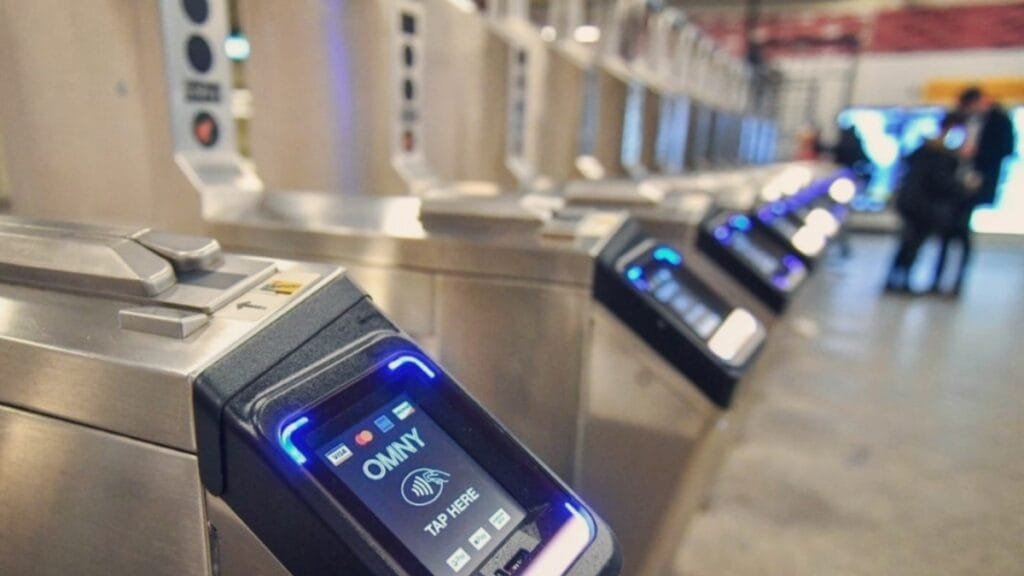
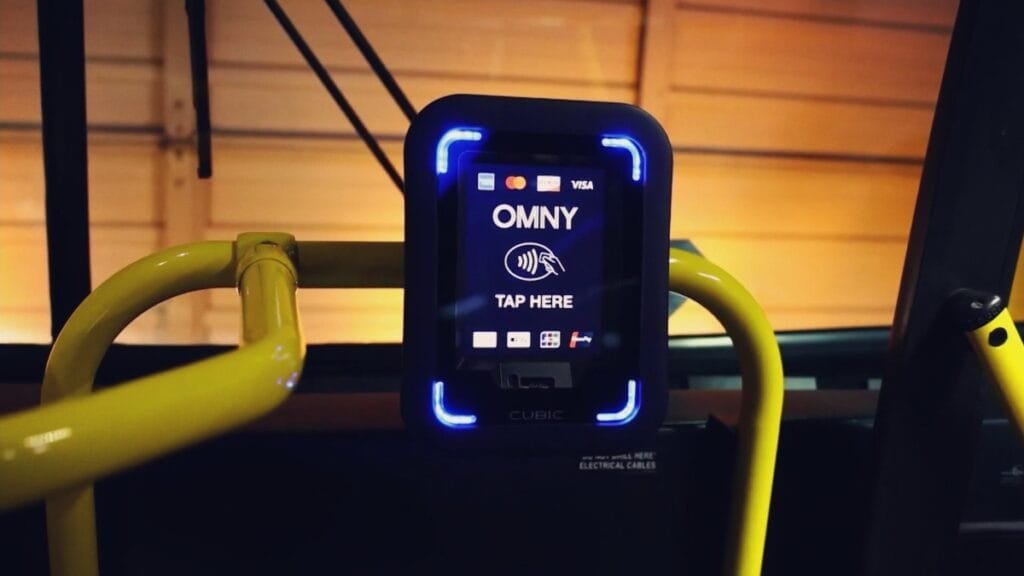
OMNY represents a massive technological upgrade. Instead of swiping a card, riders simply tap their payment method on the OMNY reader at subway turnstiles or on buses. The system processes millions of taps daily. OMNY is an open-loop system, meaning it can accept various payment methods, including contactless credit and debit cards, mobile wallets like Apple Pay and Google Pay, and the official OMNY card. This flexibility gives riders more choices and reduces the need to carry a dedicated transit card.
The transition to OMNY was a major undertaking. The project budget was $772 million, and the system reached substantial completion by December 2025. The MTA has described this move as a shift from a closed-loop system, where a transit card could only be used for transit, to an open-loop system that integrates with everyday financial tools. This modernization aligns with global trends in major cities like London, which has had a similar contactless system for years.
For riders, the benefits are clear. Tapping is faster than swiping, which reduces dwell time at turnstiles and on buses. The system is more reliable than the magnetic stripe technology of the MetroCard. Riders also gain access to features like fare capping and automatic trip tracking through their online OMNY account. The MTA expects that the OMNY system will also reduce operating costs over time by eliminating the need to produce and distribute millions of MetroCards and maintain complex fare collection infrastructure.
OMNY Card, OMNY Wallet, and All Payment Methods Explained
Understanding the different ways to pay with OMNY is essential for every rider. The system is designed to be flexible, accommodating various preferences and financial situations. You don’t necessarily need a special card; you can use what you already have in your wallet or on your phone. The core principle of OMNY is tap-and-go.
Contactless Credit and Debit Cards
This is one of the most convenient ways to use OMNY. If you have a contactless credit card, debit card, prepaid card, or payroll card with the contactless symbol (which looks like a sideways Wi-Fi icon), you can simply tap it directly on the OMNY reader at the subway turnstile or on the bus. This works for all standard fares, including subway, local bus, and express bus rides. No pre-registration is required. You just tap and go. The fare is automatically deducted from your account. For weekly fare capping to apply, you must use the exact same physical card or the same digital wallet account for all your trips within the seven-day period.
Mobile Wallets (Smartphones and Smartwatches)
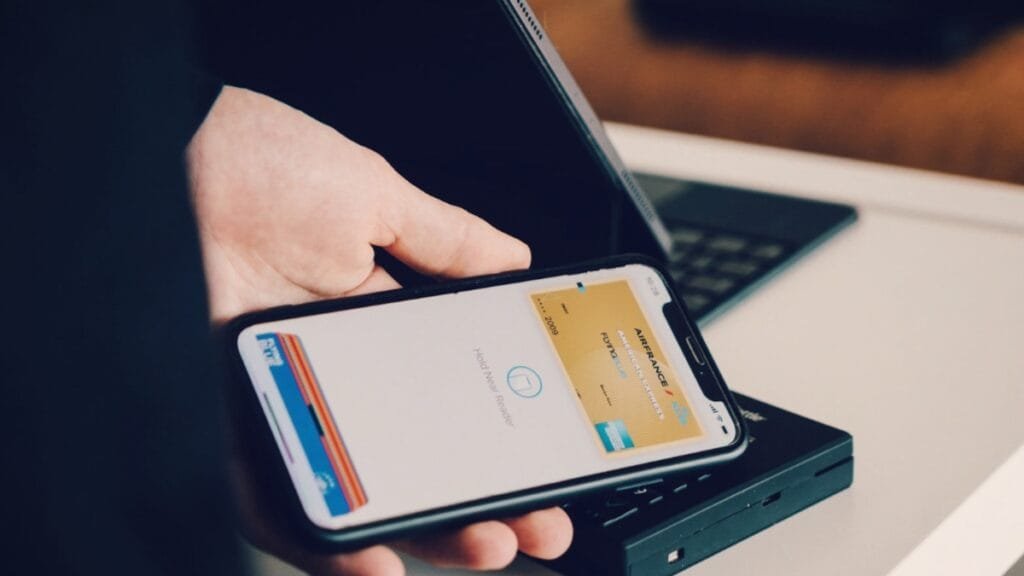
Using your smartphone or smartwatch is perhaps the most modern way to pay. You can use Apple Pay, Google Pay, Samsung Pay, or other compatible digital wallets. To use this, you simply add your credit or debit card to your mobile wallet and then hold your device near the OMNY reader. This method offers the same benefits as using a physical contactless card, including fare capping.
Many riders prefer this option because they always have their phone with them. Additionally, this method provides an extra layer of security. Instead of sharing your actual card number with the system, your mobile wallet uses a unique digital token for each transaction. This effectively acts as a virtual OMNY wallet, linking your preferred payment card to your device for a quick and secure tap.
The Official OMNY Card
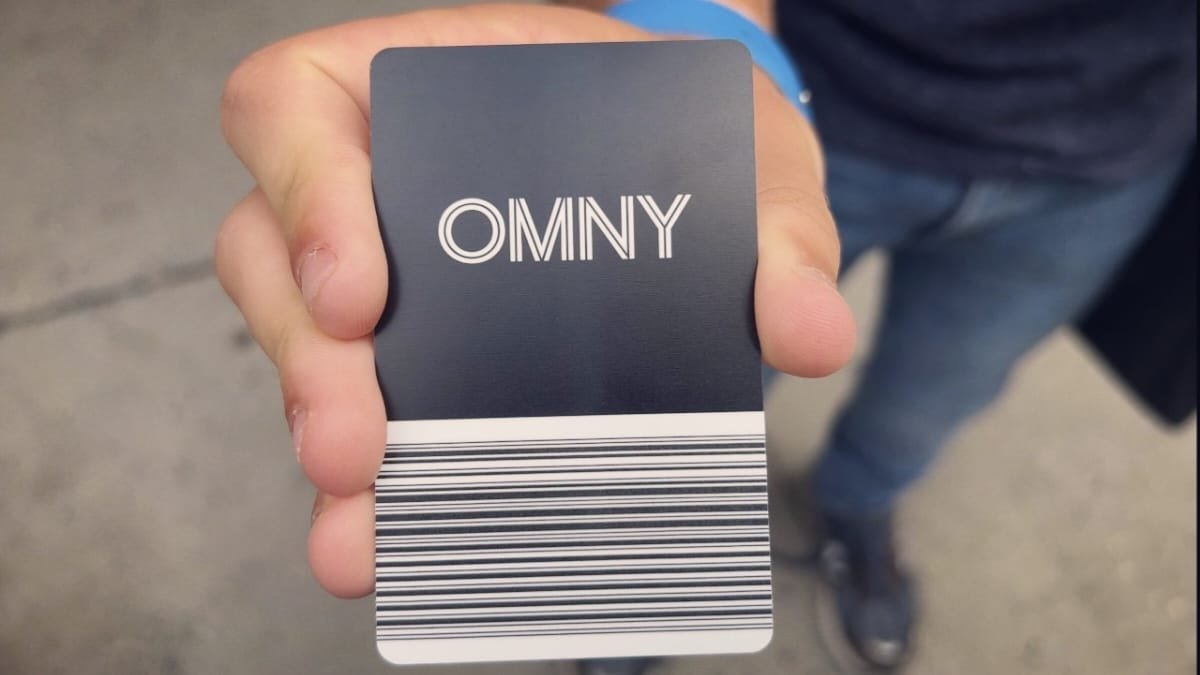
For riders who prefer a dedicated transit card, the MTA offers the official OMNY card. This is a physical, black-and-white card that you can purchase at subway station vending machines and at retail locations across the city. Some of the most common retail partners include CVS, Walgreens, and 7-Eleven. The OMNY card is designed to be more durable than the old MetroCard. It can last up to five years, making it a long-lasting option.
The current promotional price for a new OMNY card is $1. This is a temporary price. Once the MetroCard is fully phased out later in 2026, the cost of an OMNY card will increase to $2. When you buy an OMNY card, you must load a minimum of $1 onto it at the time of purchase. You can add more value to the card at the same vending machines, at retail locations, or online through your OMNY account.
Managing Your OMNY Account and Balance
If you want to track your spending, view your trip history, or set up automatic reloads, you need to create an OMNY account. You can do this online at omny.info. By creating an account and linking your OMNY card or contactless payment method, you can view your balance, see up to one year of your trip history, and manage your settings. This online portal is often referred to as your OMNY wallet. It gives you full visibility and control over your transit spending. You can also link multiple payment methods to a single account, which is useful for families or if you switch between different cards.
OMNY Fares: Understanding the Base Fare and Weekly Cap System
One of the most significant changes with OMNY is the fare structure. The MTA has moved away from selling weekly and monthly unlimited passes upfront. Instead, OMNY uses a fare-capping system that is designed to be more equitable and user-friendly. The system automatically tracks your taps and ensures you never pay more than the weekly cap. As of January 4, 2026, the base fare for subways and local buses is $3.00. For reduced-fare customers, the fare is $1.50.
The weekly fare cap is the cornerstone of the OMNY payment structure. For full-fare riders, the cap is $35.00. This means that if you use the same payment method for 12 paid trips within a rolling seven-day period, you will not be charged for any additional rides for the rest of that week. The fare cap is automatic and does not require any upfront purchase. The system calculates your weekly total in the background and stops charging you once you reach the cap.
The weekly fare cap works on a rolling seven-day period, not a fixed Monday-to-Sunday week. This means your seven-day period begins on the day of your first tap. For example, if you tap on a Wednesday, your seven-day period runs from Wednesday to the following Tuesday. Within this period, every paid trip counts toward the cap. Taps that occur less than 15 minutes apart do not count toward the cap, as these are typically for transfers or if you tap again by mistake. Group travel, where one person taps for multiple riders, also does not count toward reaching the fare cap. Only individual paid trips are counted.
For reduced-fare customers, the weekly cap is $17.50. This cap applies to eligible seniors, people with disabilities, and other riders who qualify for the reduced fare program.
Express Bus Fares and Caps
For riders who use express buses, the fare structure is slightly different. The base fare for an express bus is $7.25. There is also a separate weekly fare cap for express bus riders of $67.00. This cap is designed to cover unlimited express bus, local bus, and subway rides in a seven-day period. For reduced-fare riders, the weekly cap for express buses is $33.50. If you take both local services and express buses, the system tracks your trips and will cap you at the appropriate level, ensuring you get the best value.
OMNY App, Virtual OMNY Card, and Student Pilot Program
Many people search for an OMNY app download expecting a standalone application. The current reality is more nuanced. The MTA is not offering a separate, dedicated OMNY app. Instead, they are integrating OMNY features into the existing My MTA app. This approach allows riders to manage their transit needs, including trip planning and fare payment, in one place.
The Virtual OMNY Card
The MTA is currently developing a virtual OMNY card. This digital card will be hosted within the My MTA app. A Software Development Kit (SDK) has been developed for this integration. The virtual OMNY card will allow riders to tap their phone to pay for their fare without needing a physical card. The MTA launched a pilot program for the virtual OMNY card in late 2025. The success of this pilot will determine the broader rollout of the virtual card to all riders. This virtual card is essentially a digital version of the physical OMNY card, stored securely on your smartphone.
Student OMNY Virtual Card Pilot Program
In 2026, the New York City Department of Education announced an exciting pilot program for a virtual digital student OMNY card. This program is being launched at seven select schools across the city. The pilot is designed to test the digital card system with students. Eligible students who have smartphones will be able to tap their phones to ride the subway and buses.
For students who do not have smartphones, the program will continue to provide physical OMNY cards. This pilot is an important step toward making transit more accessible and convenient for the city’s students, many of whom rely on the subway and buses to get to and from school every day. The exact launch date of the pilot is still being finalized, but the program is expected to commence during the current academic year.
How to Manage Your OMNY Account Without an App
If you do not want to use the My MTA app, you can still manage your OMNY account online. The website omny.info allows you to create an account, link your payment methods, view your trip history, set up automatic reloads, and manage your settings. For now, this online portal is the primary way to access your OMNY wallet.
Future Upgrades: Displaying Balance and Transfer Information on Turnstiles
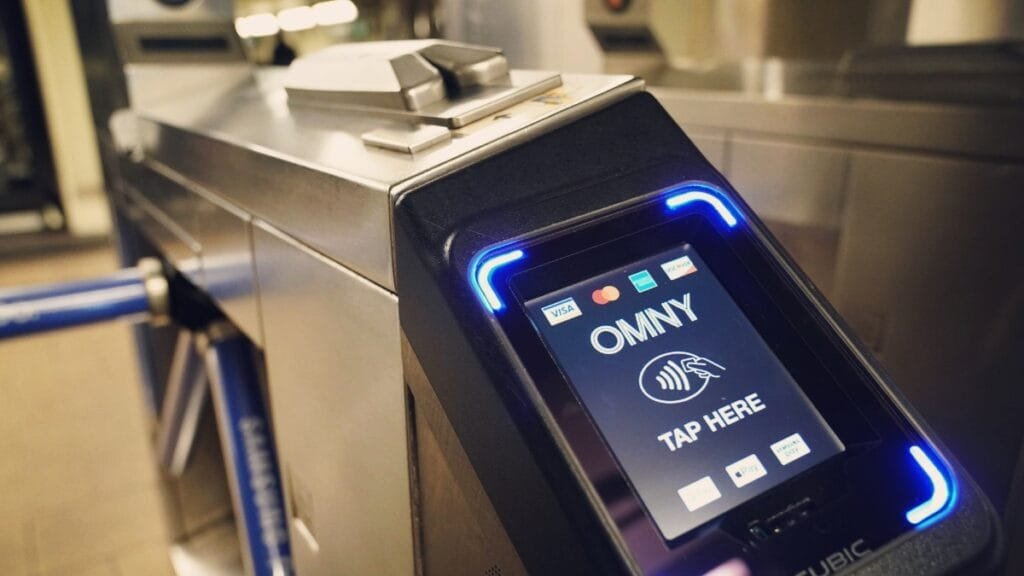
Since the launch of OMNY, one of the most common complaints from riders is that the readers do not display your balance or transfer status in real-time. With the MetroCard system, riders could see their remaining balance and whether a transfer was being applied on the turnstile screen. With OMNY, this information is not visible. Riders often have no idea how much they have spent in the week or whether their transfer was successfully processed. This has led to understandable frustration and calls for more transparency.
Advocacy groups like the Permanent Citizens Advisory Committee (PCAC) have described the ability to see this information as incredibly valuable. They have been urging the MTA to add this feature to the OMNY readers. The good news is that the MTA is listening. MTA Chair and CEO Janno Lieber has publicly confirmed that the agency is actively developing the software to display this information on the tap-and-pay readers. The agency is working on the capability to show balances and transfers to riders, similar to what was available on the MetroCard readers.
This is a significant software upgrade. The infrastructure of the OMNY system is capable of supporting this feature, but the MTA is working through the technical development. Lieber has stated that the agency is trying to create the capacity in the software. However, a specific timeline for when this upgrade will be available has not been announced. It could be several months or more before riders see this information on the turnstiles. In the meantime, riders can still check their balance and trip history by logging into their OMNY account online.
Other Reported Technical Issues
The transition to OMNY has not been entirely smooth. There have been reports of various technical problems. Some riders have reported being overcharged for their trips. Others have faced issues with free transfers not being recognized by the system. There have also been incidents where riders could not add money to their OMNY cards due to software glitches.
The MTA’s contract with Cubic, the company that designed OMNY, has faced its share of challenges. The MTA has had to reduce the scope of its contract with Cubic and has publicly demanded compensation for shortcomings in their software that have resulted in extra costs. The MTA has acknowledged these issues and has advised riders to contact OMNY Customer Service at (877) 789-6669 or 511 if they believe they have been incorrectly charged. The MTA assures riders that all OMNY transactions are trackable and that they can help resolve issues when contacted directly.
OMNY Expansion: NICE Bus, Bee-Line, Access-A-Ride, and Commuter Rail
The reach of OMNY is expanding beyond the traditional New York City subway and bus system. The MTA is working to integrate OMNY into other transit networks across the metropolitan area. This expansion is designed to provide a seamless payment experience for riders who travel between different systems.
Suburban Bus Networks
In 2026, OMNY was officially launched on two major suburban bus networks:
• Nassau Inter-County Express (NICE Bus): OMNY officially launched on NICE buses on January 4, 2026. This was a significant step for Long Island commuters. NICE issued an important notice confirming that they would begin accepting OMNY payments on that date. Riders using NICE buses can now tap their contactless cards, mobile wallets, or OMNY cards to pay their fare.
• Westchester County Bee-Line Bus: The Bee-Line bus system also began accepting OMNY payments in early 2026. This provides a consistent payment method for riders who travel between New York City and Westchester County. The integration with Bee-Line makes it easier for commuters who rely on these buses for their daily travel.
Access-A-Ride (AAR) Paratransit Service
The MTA has also converted its paratransit service, Access-A-Ride, to OMNY. Access-A-Ride is the MTA’s service for riders with disabilities who cannot use the regular subway or bus system. All Access-A-Ride customers have been issued an AAR OMNY ID Card. This card serves two purposes. It is an official photo ID for the rider, and it is also a contactless payment method. Riders can preload funds onto the card, and the fare is automatically deducted at the end of the trip. The current Access-A-Ride fare is $3.00.
It is important to note that these AAR OMNY ID Cards cannot be used to pay for taxi or e-hail trips. They are specifically designed for the Access-A-Ride paratransit service. Cash will continue to be accepted as a payment option for AAR trips for riders who prefer not to use the card.
Other Transit Systems
OMNY is also available on the Roosevelt Island Tram, Hudson Rail Link buses, and JFK AirTrain. This integration means that riders can use a single payment method for multiple types of transit throughout the region.

MetroCard Phase-Out and Coin Payments Ending
The transition from the MetroCard to OMNY is now in its final phase. As of January 1, 2026, you can no longer buy or refill a MetroCard. If you still have a valid MetroCard with value on it, you can continue to use it until the value is spent. The MTA has not announced an exact date for when MetroCards will be completely invalid. They have only said that they will be accepted for a period of time to allow riders to use their remaining balances. Once that period ends, the MetroCard will be officially retired.
The MTA is also phasing out coin payments on buses. Beginning later in 2026, riders will no longer be able to pay with coins on city buses. The MTA has not yet announced a specific date for this change. The decision to eliminate coin payments is part of the modernization of the fare collection system.
It is expected to speed up boarding times and reduce the amount of cash that needs to be handled on buses. However, coins will still be accepted at OMNY vending machines in subway stations. Riders who do not have a contactless payment method can purchase an OMNY card or add value to their existing OMNY card using cash or coins at these vending machines.

OMNY Studio and OMNY Podcast: The Separate Podcasting Platform
It is very common for people to confuse the MTA’s OMNY fare system with Omny Studio. They are completely unrelated. Omny Studio is a podcasting platform owned by Triton Digital. It is a service that allows podcasters to host, distribute, and monetize their audio content. The term Omny podcast refers to podcasts that are hosted on this platform.
Omny Studio Video Podcasting Feature
In January 2026, Omny Studio announced a major new feature: support for video podcasting. This update allows podcast creators to upload video content to their podcasts. The platform processes the video file and can distribute both a video and an audio-only version of the episode as needed. This is a significant move because major platforms like Apple Podcasts and Spotify are increasingly embracing video content. Podcasters who want to reach new audiences with video content can now use Omny Studio to simplify the process.
The platform claims that video episodes command more attention from listeners, which can lead to higher advertising rates. For podcasters, this integration makes it easier to grow their audience and generate revenue. It is important to be aware of this distinction, as many users searching for information about the MTA’s fare system may accidentally encounter this unrelated service.

The Future of Fare Payment in New York
The transition from the MetroCard to OMNY is a major milestone in New York City’s transit history. While the shift has not been without its challenges, OMNY represents a significant upgrade in technology and user experience. The system is more modern, more flexible, and more equitable than its predecessor. The introduction of the weekly fare cap is a particularly important change, as it ensures that riders never pay more than the equivalent of a weekly unlimited pass. The expansion of OMNY to suburban bus networks like NICE and Bee-Line is creating a more seamless regional transit experience.
The MTA continues to work on improvements, such as displaying balances on turnstiles and integrating virtual cards into the My MTA app. Whether you are a daily commuter or an occasional rider, understanding how OMNY works is essential. The MetroCard era is ending, and the OMNY era has officially begun. While there is confusion with the separate Omny Studio podcast platform, the MTA’s OMNY system is solely focused on providing a fast, reliable, and modern way to pay for public transit in New York and the surrounding region.
As the system continues to evolve, riders can expect even more features and integrations that will make their commute smoother and more convenient. Staying informed about these changes is the best way to make the most of your transit experience.