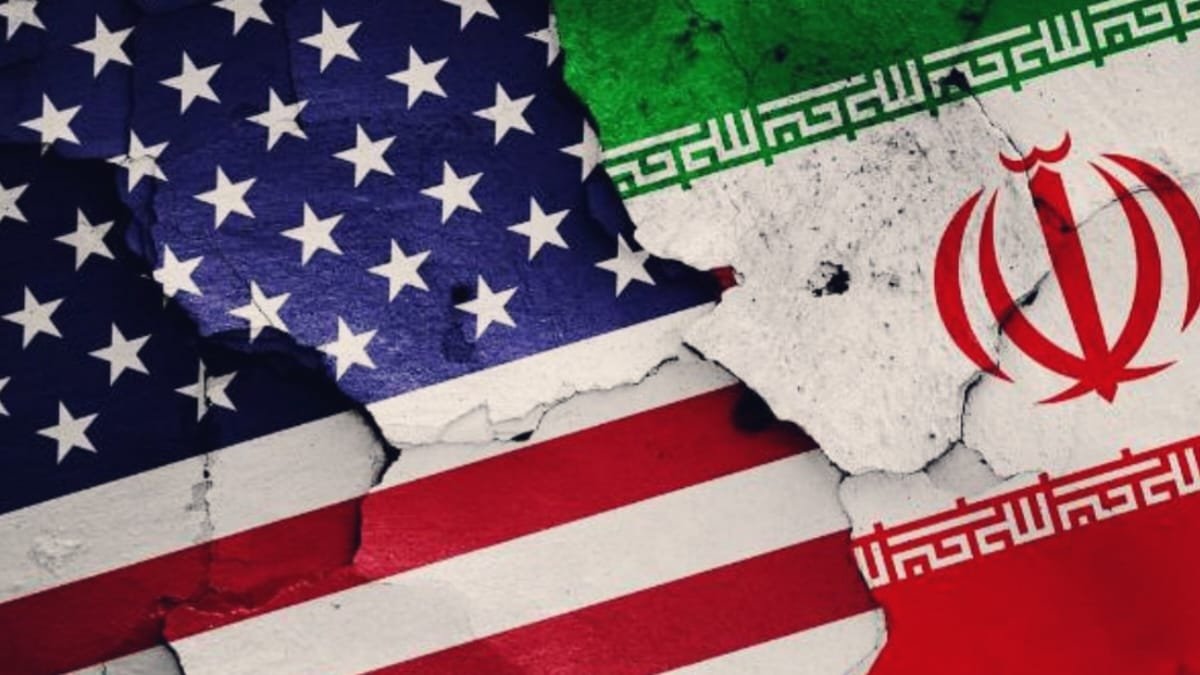
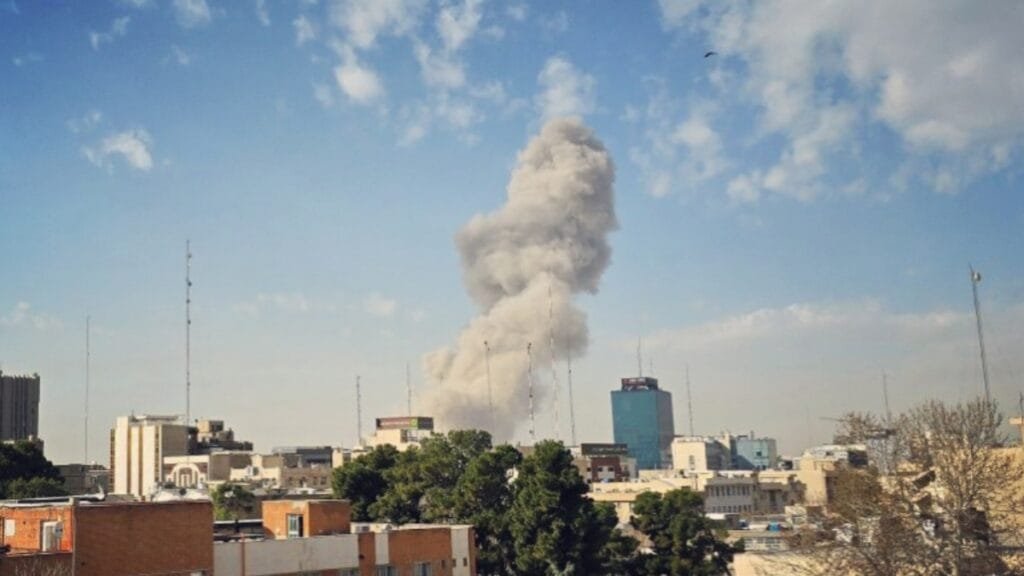
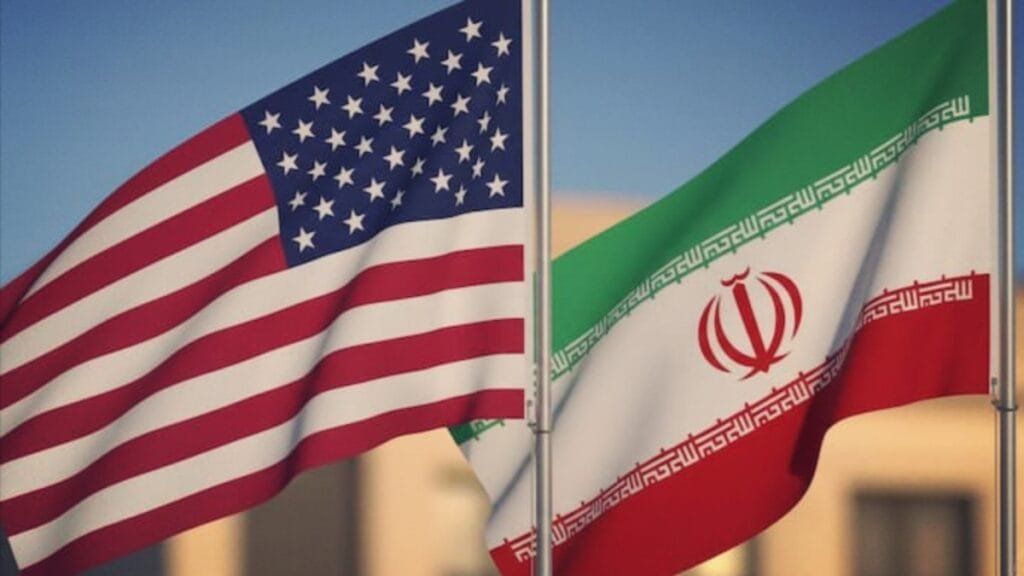
The long-standing tension between Iran and the United States escalated dramatically in 2026, evolving from direct military confrontation into a complex geopolitical crisis. What began as joint U.S.-Israeli airstrikes on Iran on February 28, 2026, has transformed into a war of attrition. As U.S. President Donald Trump announced what he calls an Economic D-Day and “the most crushing economic operation ever taken against any country,” the situation remains tense.
This article provides a comprehensive, factually verified overview of the Iran-U.S. conflict, covering Iran’s condemnation of new sanctions, the full war timeline, the status of the MOU, the breakdown of negotiations, and the current situation on the ground.
Iran Condemns U.S. Plans to Announce New Sanctions
“Economic D-Day” and Unprecedented Sanctions
On August 19, 2026, President Trump announced that the United States will impose unprecedented economic warfare and isolation on Iran, calling it an Economic D-Day and the most crushing economic operation ever taken against any country. He warned that any countries providing a lifeline” to Iran will face tremendous economic consequences, urging allies to stand with the United States to isolate, and defeat, the Iran threat.
U.S. Treasury Secretary Scott Bessent likewise stated that Washington will impose the toughest sanctions in history on Iran, describing the strategy as a one-two punch that combines the existing blockade with sweeping new sanctions.
Iran’s Response
Iranian Foreign Minister Seyed Abbas Araghchi dismissed Trump’s plan, describing the proposed economic pressure as economic terrorism that threatens the global economy and the sovereignty of nations worldwide. He argued that the so-called Economic D-Day is intended to divert attention from America’s own domestic crises, including its mounting debt and rising interest costs. The Iranian leadership maintains that the U.S. pressure will fail, as Iran has endured decades of sanctions and believes it has a much higher pain threshold than Washington.
Iran’s Internal Position on the MOU
Iranian President Masoud Pezeshkian has emphasized that Iran has not compromised on any clause of the MOU. He stated that the agreement was considered the best possible path by all members of Iran’s Security Council. Pezeshkian also noted that communication with Iran’s new Supreme Leader Mojtaba Khamenei is currently very difficult at the moment, but his presence is a great strength” for the country.
Warning to Neighboring Countries
Iran has warned neighboring countries not to join the U.S. economic campaign against Tehran, saying Iran would consider such countries enemies if they participated. Iran further warned that if the countries surrounding Iran join the Americans in the economic war, not a single drop of oil will leave the Persian Gulf and the Strait of Hormuz.
Iran-U.S. War: Full Timeline
Iran-U.S. War: Full Timeline (February – August 2026)
February 28: The Outbreak of Conflict
The conflict began on February 28, 2026, when the United States and Israel launched coordinated air strikes across Iran. U.S. President Donald Trump announced that the U.S. military had launched a major military operation in Iran, vowing to destroy Iran’s missile industry, naval forces, and nuclear capabilities. Iran’s Supreme Leader Ali Khamenei, alongside dozens of senior military and political officials, was killed in the opening strikes.
The strikes also hit a girls’ elementary school in southern Iran, with the death toll rising to at least 165, according to Iran’s official IRNA news agency. Iranian officials said most of the victims were schoolchildren.
Iran responded with missile and drone attacks on Israeli targets and U.S. bases across the region. Explosions were reported in Bahrain, the United Arab Emirates, Qatar, Saudi Arabia, Kuwait and Jordan. The U.S. Fifth Fleet service center in Bahrain was struck by an Iranian missile.
March 2026: Escalation and New Leadership
On March 1, Iranian media reported that the country’s military was preparing a crushing response and that Iran had closed the Strait of Hormuz.
On March 3, the Israeli army officially declared a ground incursion into southern Lebanon, with the aim of establishing a security zone.
On March 8, Iran’s Assembly of Experts announced that Mojtaba Khamenei, son of the late Supreme Leader, was selected as Iran’s new Supreme Leader.
On March 13, Trump stated that the U.S. military carried out bombing raids against military targets on Iran’s Kharg Island, a key oil export hub.
On March 21, the United States and Israel attacked Iran’s Natanz uranium enrichment facility, while Iranian missiles struck targets in southern Israel.
April 2026: Ceasefire and Islamabad Talks
On April 7, Pakistan helped broker a fragile two-week ceasefire.
On April 11-13, high-level talks in Pakistan between U.S. and Iranian officials broke down. The U.S. responded by imposing a naval blockade on Iranian ports.
June 2026: The Memorandum of Understanding
June 2026: The Memorandum of Understanding
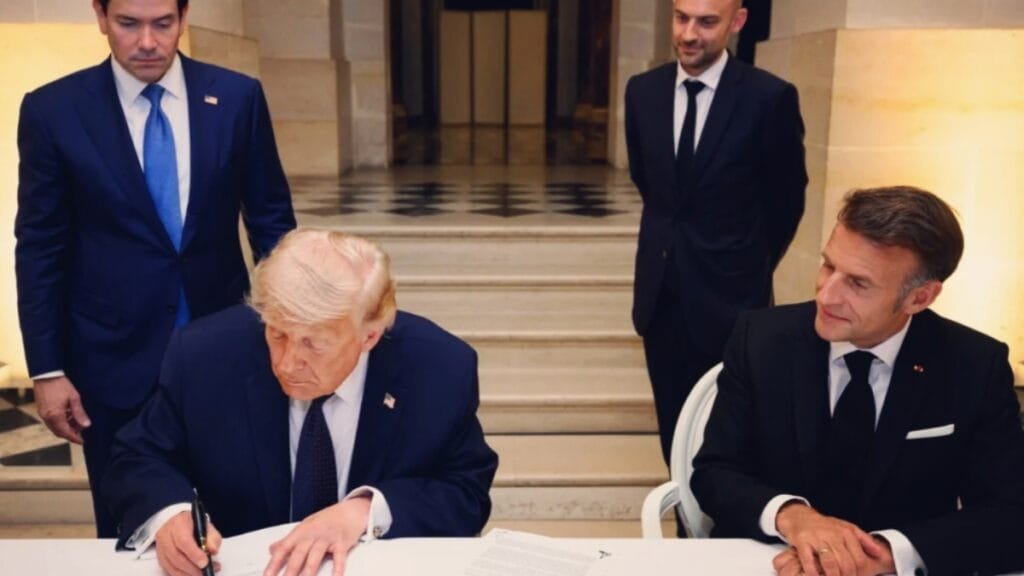
On June 17, 2026, Iran and the United States reached a peace Memorandum of Understanding (MOU), mediated by Pakistan. The MOU was signed electronically by U.S. President Donald Trump, Vice President JD Vance, and Iran’s parliamentary speaker Mohammad Bagher Ghalibaf.
Key Provisions of the MOU:
• Both sides declared the “immediate and permanent termination of military operations on all fronts” and pledged to refrain from the threat or use of force against each other.
• They committed to negotiating a final deal in a maximum of 60 days, extendable with mutual consent.
• The United States committed to working with regional partners on a reconstruction and economic development plan for Iran worth at least $300 billion.
• The U.S. agreed to lift all types of sanctions against Iran on a timetable to be agreed as part of the final agreement.
• Iran reaffirmed its commitment not to develop or purchase nuclear weapons.
• The U.S. agreed to remove its naval blockade within 30 days and Iran agreed to ensure safe passage of commercial vessels through the Strait of Hormuz for 60 days.
U.S. and Iran Negotiations: Breakdown and Current Status
The 60-Day Deadline Dispute
The 60-day negotiation window established by the MOU has expired. However, the two sides disagree on the significance of this date. Iran has maintained that the MOU did not specify a 60-day deadline for a final agreement, arguing that since the U.S. had “seriously violated” the MOU, no dialogue had taken place, making the deadline discussion completely meaningless.
U.S. Strategy Shift
White House officials are shifting strategy from military action to economic warfare. As analysts noted, the U.S. is refocusing America’s might on bringing Iran to its knees through an accelerated sanctions campaign against one of the most economically penalized countries in the world. U.S. Treasury Secretary Bessent threatened secondary sanctions on nations and companies that conduct business with Iran, warning that if they insist on doing business with Iran, “the U.S. Treasury and U.S. government will put its full might and force against you.
The Strait of Hormuz Standoff
The Strait of Hormuz remains a key flashpoint. Before the war, about a fifth of the world’s oil traded passed through the strait. The U.S. and 31 other nations have released into the market a record 400 million barrels of emergency oil to counteract skyrocketing energy prices. Hundreds of ships have waited on either side of the narrow chokepoint throughout the conflict. Iran insists the strait remains closed until Washington lifts its naval blockade, removes oil sanctions, and releases frozen Iranian assets.
The UAE Factor
The United Arab Emirates suspended trade with Iran after accusing Iran of firing two ballistic missiles at it. Since the UAE is Iran’s largest import source approximately one-third of Iran’s imports transit through Dubai this move may be even more impactful than the U.S. naval blockade.
Netanyahu and Iran War
Netanyahu and Iran War
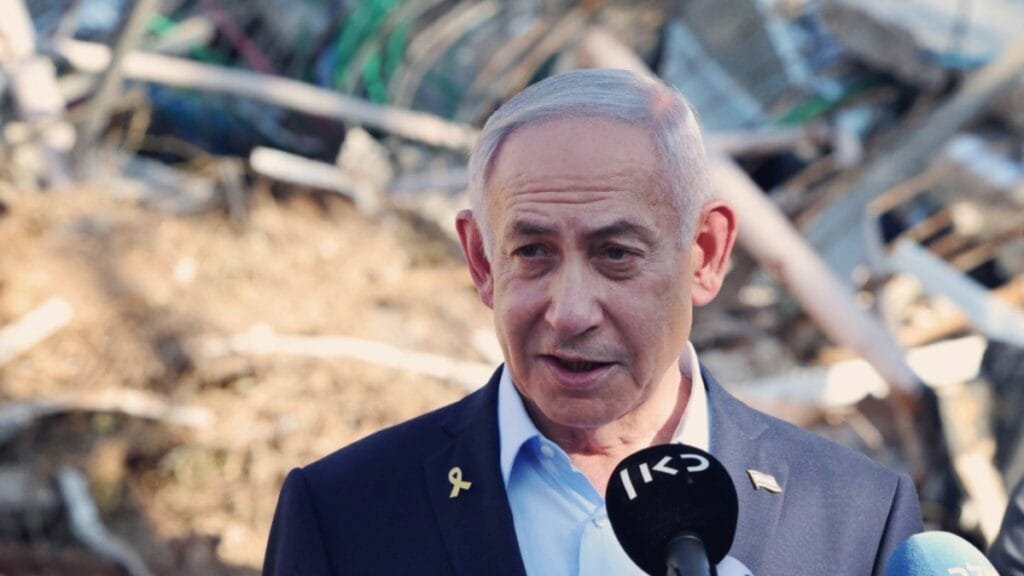
Israeli Prime Minister Benjamin Netanyahu called for regime change in Tehran, and Trump has also advocated for the same, encouraging Iranians to seize control of their government. Israel declared a ground incursion into southern Lebanon on March 3 and has conducted airstrikes against Iran’s proxies throughout the conflict. Israel also continued its heaviest bombardment of Lebanon since the start of the war, with more than 100 airstrikes targeting Hezbollah in just 10 minutes.
Iran War Casualties and Humanitarian Impact
Iran’s Health Ministry has confirmed that at least 2,076 people have been killed and more than 26,500 injured since February 28, including hundreds of women and children. The strikes on military, nuclear and civilian sites continue to drive casualties, with widespread destruction reported across multiple provinces. At least 18 U.S. military personnel have been killed and 757 wounded since the Iran war began.
Analysis: Can the “Toughest Sanctions” Succeed?
Analysis: Can the “Toughest Sanctions” Succeed?
U.S. Limitations and Political Pressure
The war has already cost billions, and soaring gasoline prices are hurting the administration politically with midterm elections approaching. The U.S. is facing diminishing stockpiles of key weapons. As one analyst noted, we are in uncharted waters with this economic warfare strategy.
Iran’s Resistance
Iranian officials argue that previous sanctions failed to alter Tehran’s policies and would instead strengthen resistance. Foreign Minister Araghchi posted on X the history of U.S. sanctions against Iran, saying, We have seen this movie before. Same bull. Different bullies. The Iranian leadership views resistance rather than capitulation as the only viable path to survival.
The Way Forward
Iran continues to maintain the Strait of Hormuz is closed and demands the U.S. fulfill its MOU commitments. The fundamental challenge lies in the irreconcilable nature of each side’s core demands: the U.S. seeks Iran’s compliance on nuclear and regional issues, while Iran demands the lifting of all sanctions and recognition of its sovereignty over the Strait of Hormuz.
U.S. President Donald Trump has once again claimed that the Strait of Hormuz is “American territory, sharing a map on Truth Social labelling the strategic waterway as NEW U.S. Territory. This is the second time in a week Trump has posted such a map. He previously told a rally in South Carolina that he views the Strait of Hormuz as an American territory right now.
Iran’s Defiant Response
Iran’s Secretary of the Supreme National Security Council, Mohsen Rezaei, rejected Trump’s claim, stating: The Strait of Hormuz is closed, despite American claims, and will not open until America corrects its behaviour. This time, America must first fulfil its obligations.
Rezaei also warned that any country joining the U.S. economic war against Iran will be considered an enemy and that if neighbouring countries participate, not a single drop of oil will leave the Persian Gulf and the Strait of Hormuz.
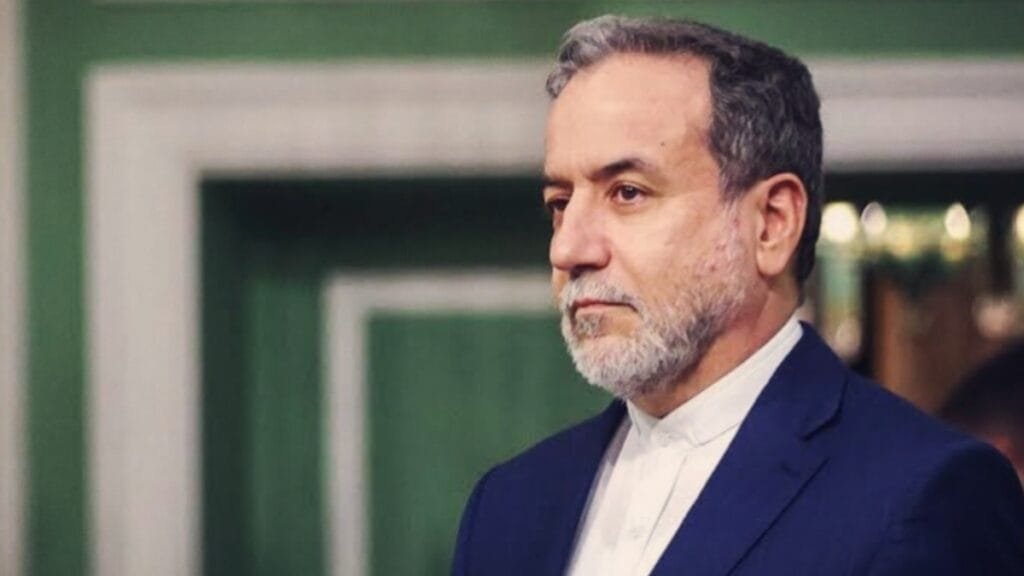
Iranian Foreign Minister Abbas Araghchi
Iran-Pakistan Diplomatic Engagement
Iranian Foreign Minister Abbas Araghchi held a phone conversation with Pakistan’s Army Chief Field Marshal Asim Munir to discuss regional developments. They exchanged views on effective solutions to strengthen peace, stability, and security in the West Asian region.
Key Announcement: Pakistan Army Chief to Visit Iran
Iran’s Foreign Ministry spokesperson Esmaeil Baghaei announced that Pakistan’s Army Chief Asim Munir will visit Iran on August 24 with a delegation. The visit aims to strengthen bilateral cooperation and continue efforts to maintain regional peace and security.
Iran Threatens to Shift to “Fully Offensive” Strategy
A senior Iranian official has warned that Iran is considering shifting its strategy from defensive to fully offensive. Potential targets reportedly include U.S. military facilities in Southeast Europe and undersea cables in the Strait of Hormuz
Iran-Egypt Diplomatic Engagement
Iranian Foreign Minister Abbas Araghchi also held a phone conversation with Egyptian Foreign Minister Badr Abdelatty to discuss developments in West Asia, including the situation in the Persian Gulf and Red Sea, as well as diplomatic efforts to reduce regional tensions.
Protests in Tehran
In Tehran’s Revolution Square, effigies of Donald Trump and Israeli Prime Minister Benjamin Netanyahu were hanged in front of a crowd waving Iranian flags and chanting slogans.
U.S. Sanctions Update
U.S. Treasury Secretary Scott Bessent is scheduled to hold a press conference on Monday (August 24) to detail what he has described as the toughest sanctions in history against Iran, urging China to cooperate on Iranian oil shipments.
Key Quote from Iranian President
Iranian President Masoud Pezeshkian stated: We are in an economic, military and total security war, but we have not fallen. Our enemies had predicted that Iran would collapse and become like Venezuela. This has not only not happened, but the whole world has been stunned by our resistance, solidarity and cohesion. He also called for ending the war while we are in a position of power and dignity.
The Iran-U.S. conflict in 2026 has devolved into a stalemate neither side able to achieve decisive victory nor willing to make the concessions needed for peace. The 60-day MOU negotiation window expired without progress, Trump has declared an “Economic D-Day” with unprecedented sanctions, and the Strait of Hormuz remains a key point of contention.
Both sides face significant pressure Iran deals with severe economic challenges and has lost over 2,000 lives, while the U.S. grapples with surging energy prices and domestic political pressures with midterm elections approaching. Whether new economic measures will succeed where previous sanctions and military strikes have failed remains uncertain, but what is clear is that the conflict has global implications extending far beyond the Middle East.
रश्मि शर्मा, पत्रकार व लेखिका। 8+ वर्षों का अनुभव।
विशेषज्ञता: नेशनल और अंतरराष्ट्रीय राजनीति, क्रिकेट-ओलंपिक, शेयर बाजार, अर्थव्यवस्था, AI-टेक, विज्ञान, स्वास्थ्य नीति व अर्थव्यवस्था, मनोरंजन।
जटिल खबरों को सरल भाषा में समझाना मेरी पहचान।