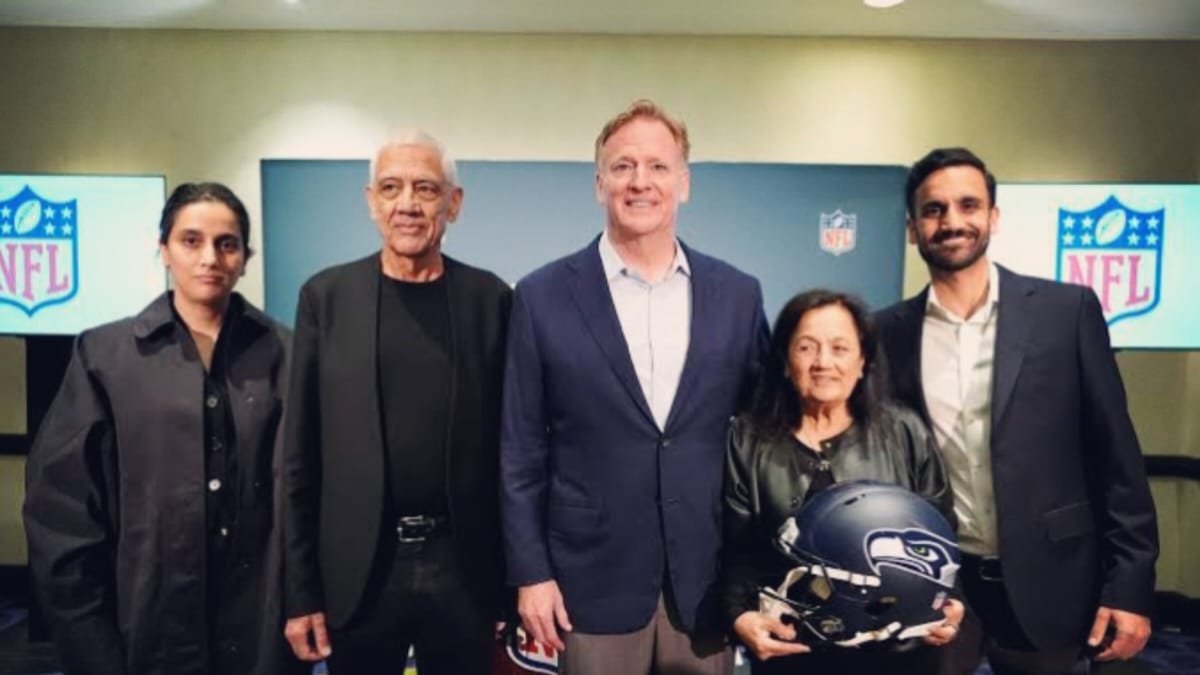
The story of the Khosla family is one of the most compelling immigrant success sagas of the modern era. In July 2026, the family led by veteran venture capitalist Vinod Khosla reached a historic agreement to acquire the Seattle Seahawks NFL franchise for a record-shattering $9.612 billion. On August 25, 2026, NFL owners voted unanimously to approve the sale, paving the way for the family to become the fourth owners in the franchise’s 51-year history.
This is not merely a story about wealth. It is a story about vision, resilience, and the courage to bet on ideas that others dismiss as impossible. From a middle-class home in Pune, India, to the pinnacle of Silicon Valley and now the ownership of a Super Bowl-winning NFL team, the Khosla family biography exemplifies how determination, education, and a willingness to embrace failure can create a legacy that spans continents and industries.
The Seahawks acquisition is unique because it is a true family affair. Unlike many sports franchise purchases led by a single billionaire, this deal places Neeru Khosla as the controlling owner, with their son Neal Khosla expected to hold a significant leadership role. This biography delves into the lives of each family member, their individual achievements, and the shared philosophy that has brought them to this historic moment.
The Foundations: Early Life and Education in India
The Foundations: Early Life and Education in India
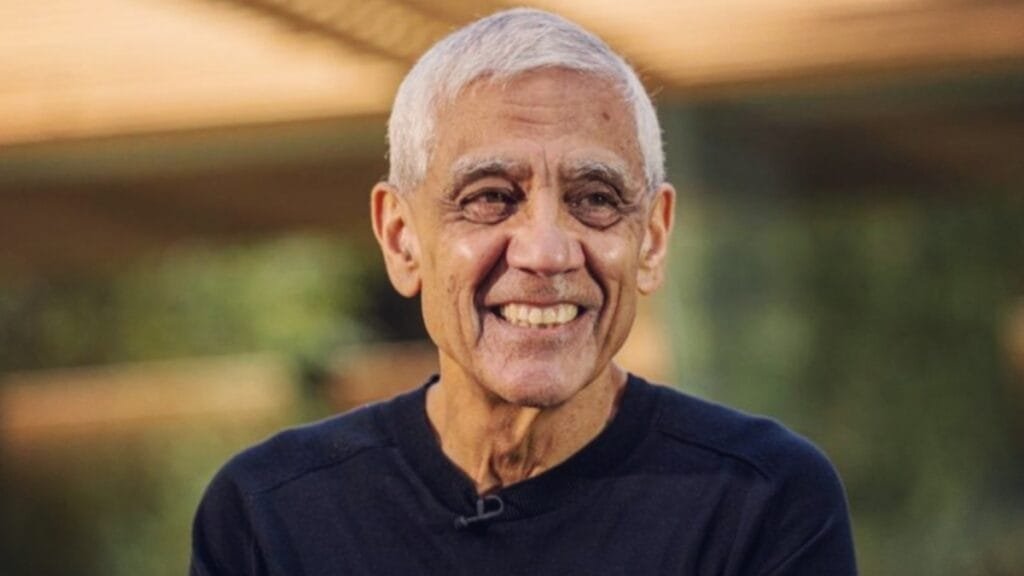
Vinod Khosla was born on January 28, 1955, in Pune, India, into a Punjabi family with a military background. His father was an officer in the Indian Army who expected his son to follow a similar path. Instead, young Vinod’s life took a different turn when, at the age of 14, he read about the founding of Intel. This moment sparked a deep fascination with technology and entrepreneurship that would define his entire career.
He earned a Bachelor of Technology in Electrical Engineering from the prestigious Indian Institute of Technology (IIT) Delhi between 1971 and 1976. During his time at IIT, he demonstrated an early entrepreneurial spirit. He started the institute’s first computer club and wrote a paper on parallel processing, long before the concept became mainstream. He also attempted to launch a soy milk business in India that wouldn’t require refrigeration, but the idea failed due to lack of funding.
At 21, with little money but a college admission in hand, Khosla left for the United States. He received a full scholarship to pursue a master’s degree in biomedical engineering at Carnegie Mellon University. His path to Stanford Business School was challenging.
He was rejected twice due to a lack of work experience. Undeterred, he took on two full-time jobs while studying elsewhere and eventually convinced Stanford to admit him. He graduated from Stanford Graduate School of Business in 1980.
The Silicon Valley Pioneer: Co-Founding Sun Microsystems
After graduating from Stanford, Khosla founded Daisy Systems, a computer-aided design platform for electrical engineers that went public successfully. However, he grew frustrated with Daisy’s hardware limitations and saw a bigger opportunity.
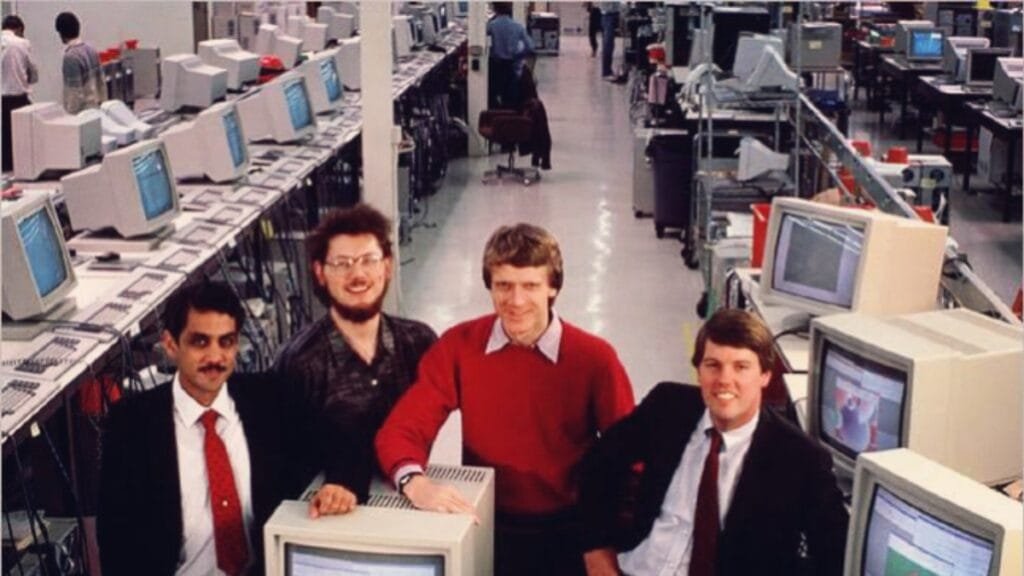
In 1982, Vinod Khosla co-founded Sun Microsystems alongside Scott McNealy, Andy Bechtolsheim, and Bill Joy. The name “SUN” originally stood for “Stanford University Network.” The company’s mission was to build powerful, networked workstations with open systems, helping democratize computing and providing a cost-effective alternative to mainframe computers.
Sun Microsystems went on to become a dominant force in computer hardware, servers, and software, powering much of the early internet. The company reached a peak market capitalization of about $200 billion at the turn of the century. Sun developed Java, one of the most widely used programming languages in history, and was eventually acquired by Oracle in 2010.
Khosla stepped down as CEO in 1985, leaving the company in the hands of Scott McNealy. His decision to move on from his own creation at the peak of its early success marked the beginning of his transition from entrepreneur to investor.
The Venture Capital Legend
The Venture Capital Legend: Kleiner Perkins and Khosla Ventures
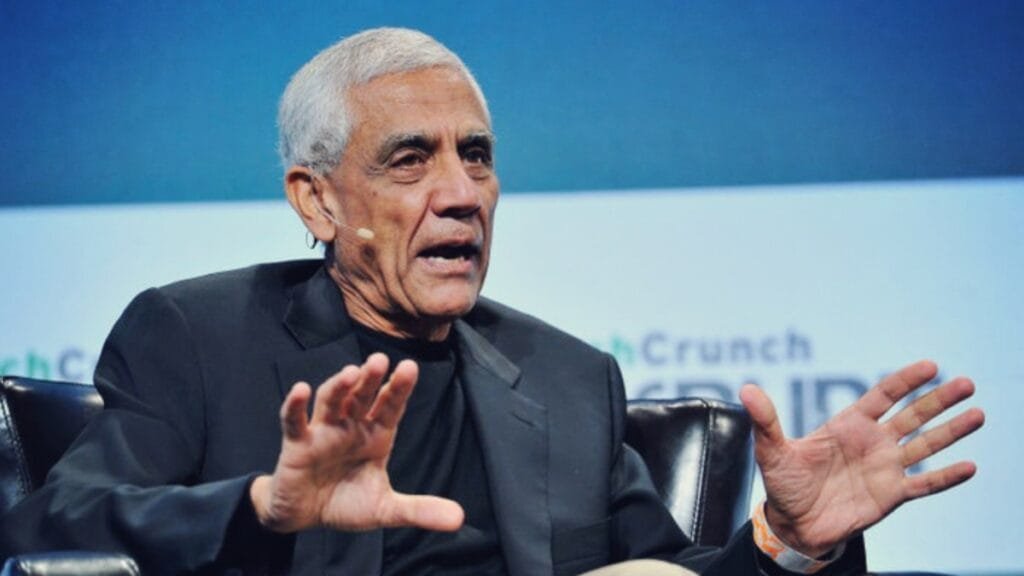
Vinod Khosla joined the legendary venture capital firm Kleiner Perkins Caufield & Byers (KPCB) in 1986, where he spent nearly two decades. His reputation for identifying and nurturing game-changing companies was cemented here. One of his most notable feats was incubating Juniper Networks specifically to challenge Cisco’s dominance in the router market, a bet that paid off massively.
In 2004, Khosla founded his own firm, Khosla Ventures. The firm was built on a philosophy of investing in high-risk, long-term, and hard-tech innovation. Khosla is known for seeking projects with a 90% chance of failure because if they succeed, they are truly world-changing. As he famously said, I don’t mind a 90 percent probability of failure if there’s a 10 percent chance of changing the world.
Khosla Ventures manages approximately $15 billion in assets and has invested in over 1,400 companies as of 2025. The firm’s portfolio includes early wins like DoorDash, Affirm, Opendoor, Instacart, and Impossible Foods. Perhaps most notably, Khosla Ventures was the first venture firm to invest in OpenAI, placing a $50 million bet in 2019 when the company was valued at just $1 billion. That stake is now worth an enormous multiple of that.
As of 2025-2026, Vinod Khosla’s net worth is estimated at approximately $13.7 billion by Forbes, making him the second richest Indian in America. He ranks among the top 250 billionaires globally and features prominently on Forbes’ Midas List of top tech investors.
Neeru Khosla
Neeru Khosla: The Controlling Owner and Education Pioneer
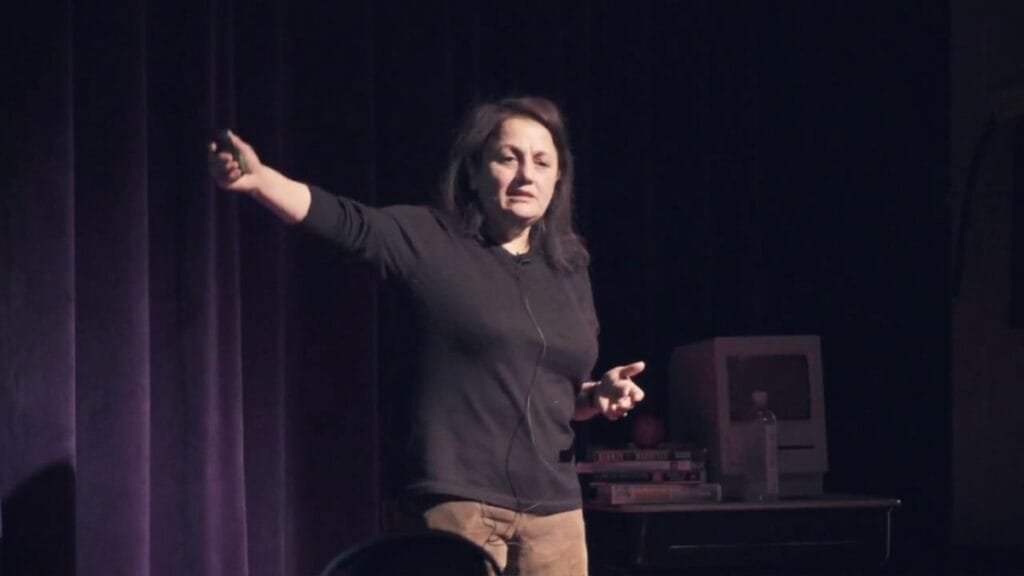
Neeru Khosla, Vinod’s wife, is far more than a supporting figure. She is a powerhouse in her own right and has been designated as the controlling owner of the Seattle Seahawks. The couple were childhood sweethearts, and she moved to the United States with Vinod in 1976.
Neeru earned a master’s degree in molecular biology from San Jose State University and worked in a Stanford lab conducting gene expression research. However, she stepped away from the lab due to safety concerns about radioactivity when she became pregnant with her first child.
Her passion for education was sparked during her time as a volunteer at her children’s school. She returned to Stanford to earn a master’s degree from the School of Education, even though she was 50 years old at the time. This experience gave her firsthand exposure to the inequities in the American education system. She saw how one teacher struggled to meet the needs of 30 or more students in public schools.
In 2007, Neeru co-founded the CK-12 Foundation, a non-profit organization that provides free, AI-powered digital textbooks and educational tools for K-12 STEM education. The foundation’s AI-powered Student Tutor and Teacher Assistant tools are designed to personalize learning and remove barriers of access and equity. Since its founding, CK-12 has served over 317 million learners worldwide across more than 60 countries. The organization continues to serve over 700,000 students each month. Neeru remains the Executive Director of the foundation.
Neeru has also served on numerous advisory boards, including the Stanford Graduate School of Education, The Nueva School, the High Tech High Graduate School of Education, IDEO.org, DonorsChoose.org, and the Wikimedia Foundation.
Neal Khosla: The Next Generation in Leadership
Neal Khosla: The Next Generation in Leadership
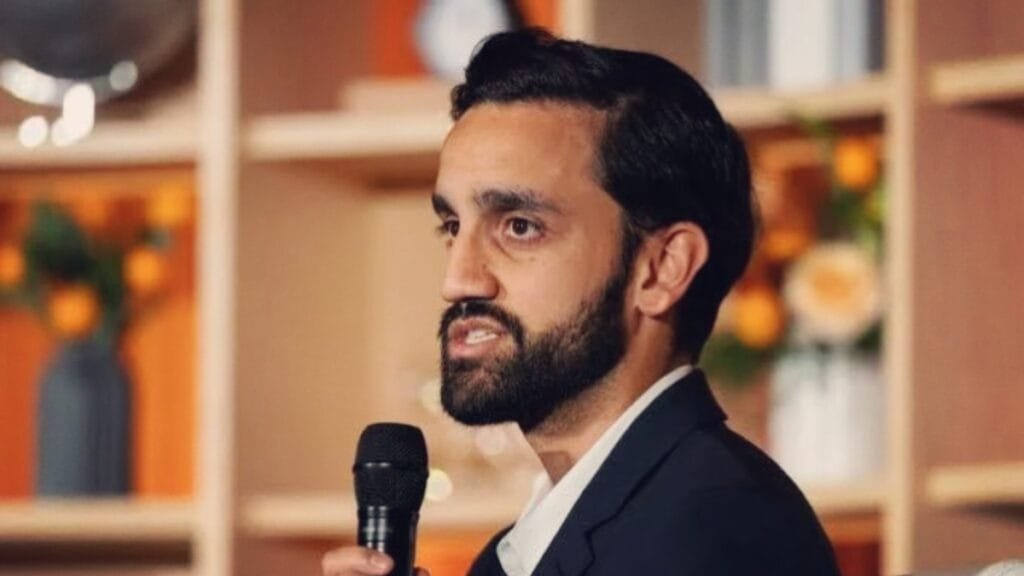
Neal Khosla, the son of Vinod and Neeru, is expected to have a “significant leadership role” within the Seahawks ownership group, according to an NFL memo. He represents the next generation of the family’s legacy.
Neal is a Stanford graduate with both a bachelor’s and master’s degree in computer science. He is the co-founder and CEO of Curai, an AI-powered virtual healthcare company based in Palo Alto. Curai provides virtual primary and urgent care services, with the goal of making healthcare accessible to the uninsured, gig workers, and minimum-wage workers. The company has raised nearly $60 million from investors since its founding in 2017.
Neal’s interest in sports is well-documented. He interned with the San Francisco 49ers’ football operations for two months, focusing on the team’s draft process. He also co-authored a research paper published in the Journal of Sports Management in 2014 that examined determinants of live game attendance. He has described himself as an avid sports fan who uses quantitative and analytics-driven perspectives to understand the game.
In May 2025, Neal and his parents bought a 3.1% stake in the San Francisco 49ers. At the time, Neal stated on behalf of the family that they had been attending games as season ticket holders for 30 years and that becoming members of the 49ers family was a “dream come true.” However, NFL ownership rules require them to relinquish this stake now that they are buying the Seahawks, as cross-ownership of division rivals is prohibited.
The $9.612 Billion Deal: Acquiring the Seattle Seahawks
In February 2026, the Paul G. Allen Estate announced it was putting the Seattle Seahawks up for sale in accordance with Paul Allen’s will. On July 11, 2026, the estate announced it had reached a formal sale agreement with the group led by the Khosla family. The deal was valued at $9.612 billion, shattering the previous NFL record of $6.05 billion set by the Washington Commanders in 2023.
On August 25, 2026, NFL owners voted unanimously to approve the sale during a special meeting in Atlanta. The sale is expected to be finalized before the Seahawks’ season opener on September 9, 2026, against the New England Patriots in a rematch of Seattle’s Super Bowl LX victory.
The acquisition marks a historic moment for the franchise. The Seahawks have been owned by the Allen family since 1997, when Paul Allen bought the team for $194 million. Under Allen family ownership, the Seahawks won two Super Bowls and qualified for the playoffs 16 times in 23 seasons. The Khosla family takes over a team that is running on all cylinders, having won the second Super Bowl in franchise history in February and riding a streak of 190 consecutive sellouts at Lumen Field.
Vinod Khosla has stated that he has “no intention” of running the Seahawks day-to-day and will remain committed to overseeing his venture capital company. Neeru Khosla will serve as the controlling owner, while Neal is expected to take on significant leadership responsibilities.
Philosophy and Legacy
Philosophy and Legacy: A Champion of Failure and Reinvention
What binds the Khosla family’s story together is a philosophy of relentless progress and a willingness to embrace failure. Vinod Khosla has built his career on taking risks that others avoid. He has spoken openly about his own business failures, viewing them as necessary tools for success.
As he once told a Bloomberg interviewer, “I would say the one piece that works really well in all business is go for high risk, higher consequences.” This mindset has allowed him to consistently pioneer new sectors, from clean energy to artificial intelligence.
The Khosla family biography is a narrative of building an enduring legacy. The acquisition of the Seahawks is the latest proof that they are not just inheriting wealth but actively shaping the future of sports, technology, and education. With Neeru Khosla’s commitment to educational equity, Vinod’s track record of backing world-changing technologies, and Neal’s expertise in AI and analytics, the family brings a unique combination of vision and capability to the NFL.
Their story is a powerful reminder that success is not a single event but a continuous process of reinvention. It shows that with education, determination, and the courage to bet on oneself, even the most audacious dreams can become reality. The Khosla family has gone from a middle-class home in Pune to owning a Super Bowl-winning NFL franchise, and their journey is far from over.
रश्मि शर्मा, पत्रकार व लेखिका। 8+ वर्षों का अनुभव।
विशेषज्ञता: नेशनल और अंतरराष्ट्रीय राजनीति, क्रिकेट-ओलंपिक, शेयर बाजार, अर्थव्यवस्था, AI-टेक, विज्ञान, स्वास्थ्य नीति व अर्थव्यवस्था, मनोरंजन।
जटिल खबरों को सरल भाषा में समझाना मेरी पहचान।