
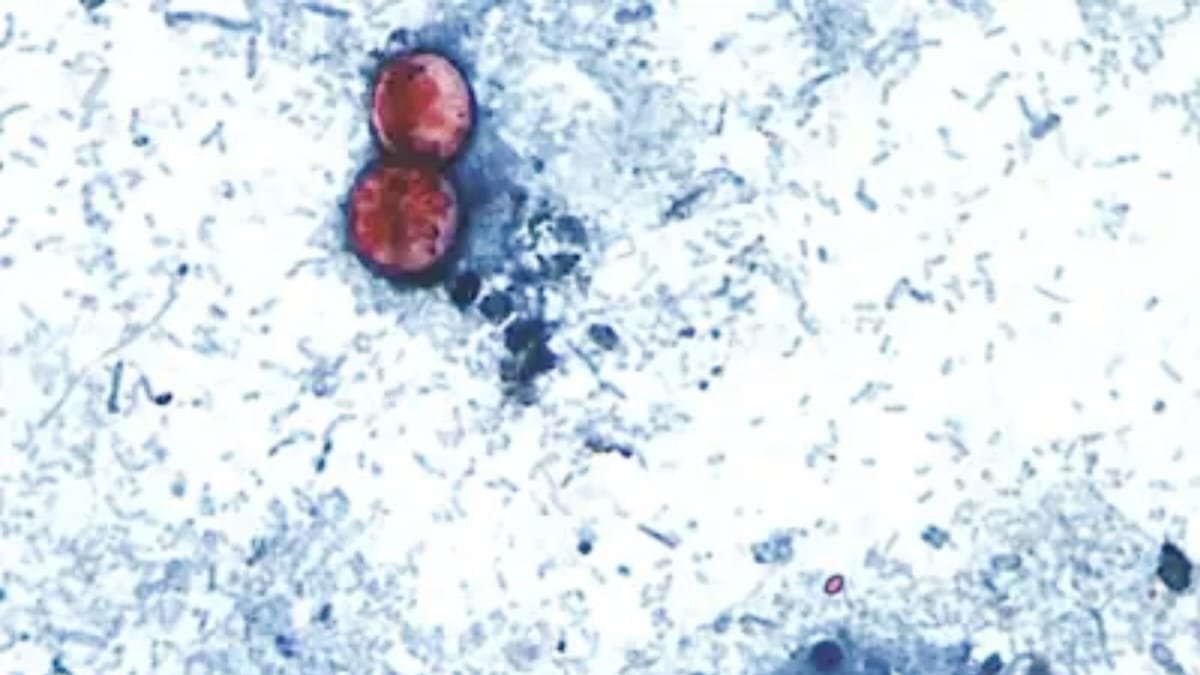
A significant Cyclosporiasis outbreak is currently impacting the United States, with hundreds of confirmed cases and thousands more under investigation. This gastrointestinal illness, caused by the microscopic parasite Cyclospora cayetanensis, has led to hospitalizations across multiple states. Understanding the sources, recognizing the symptoms, and knowing the treatment options are crucial for protecting yourself and your family.
The Centers for Disease Control and Prevention (CDC) reports that as of July 9, 2026, there have been 843 confirmed domestic cases of cyclosporiasis across 31 states. Additionally, the CDC is aware of more than 1,500 cases that require further analysis to confirm the illness as domestically acquired cyclosporiasis. State-level data reveals even higher numbers, with Michigan reporting over 1,500 cases and Ohio reporting 177 cases as of early July, This year’s outbreak has seen a rapid increase in cases, with multiple states reporting more illnesses in the last two weeks compared to the same period in 2025.
The true number of people sick with cyclosporiasis is likely higher than the number reported, as some individuals recover without seeking medical care and are not tested for Cyclospora, The CDC assumes a 6-week reporting lag between illness onset and case reporting, so case counts are anticipated to continue rising as more data is received, This comprehensive guide will cover everything you need to know about Cyclosporiasis, including its causes, symptoms, treatment options, prevention strategies, and the latest information on the current outbreak.

What is Cyclosporiasis? Understanding the Parasite
Cyclosporiasis is an intestinal illness caused by the microscopic parasite Cyclospora cayetanensis, This single-celled organism infects the small intestine and causes gastrointestinal distress. Unlike some other parasites, Cyclospora requires a period of time outside the body to become infectious, which has important implications for how it spreads and how it can be prevented.
The parasite is a coccidian protozoan that completes its life cycle in humans. Infected individuals shed unsporulated, non-infectious oocysts (egg-like structures) in their feces. These oocysts must mature, or sporulate, in the environment to become infectious for another person, This sporulation process typically takes at least one to two weeks under favorable environmental conditions, with temperatures between 22°C and 32°C being ideal.
This crucial aspect of the Cyclospora life cycle explains why person-to-person transmission is considered unlikely, Unlike some other parasites, you cannot catch Cyclospora directly from an infected person. Instead, infection occurs when you ingest food or water that has been contaminated with sporulated oocysts that have had sufficient time to mature in the environment.
How is Cyclospora Transmitted? Common Sources and Outbreaks
Cyclospora is primarily transmitted through the fecal-oral route, meaning you become infected by ingesting food or water that has been contaminated with feces containing the parasite, In the United States, foodborne outbreaks have been consistently linked to the consumption of fresh produce. Contaminated imported fresh produce has been identified as a common source, including items like raspberries, blackberries, strawberries, basil, cilantro, and various types of lettuce. The mechanism by which fresh produce becomes contaminated with Cyclospora is still under investigation. Potential pathways include contact with contaminated water used for irrigation, washing, or processing, The parasite can persist on the surface of fruits and vegetables, and because it does not require an animal host, it can survive and spread entirely through environmental contamination and human ingestion.
Travelers to tropical and subtropical regions are also at risk of contracting cyclosporiasis. In these areas, where sanitation may be less robust, the parasite can more easily contaminate food and water sources, However, the current outbreak in 2026 involves domestically acquired cases, meaning people became sick after eating food in the United States and did not report any international travel during the 14 days before they got sick.

Signs and Symptoms of Cyclospora Infection
The symptoms of cyclosporiasis typically appear about one week after consuming contaminated food or water. The incubation period can range from as short as 2 days to as long as 2 weeks or more, The most common and prominent symptom is watery diarrhea, which can be frequent and sometimes explosive.
Other common symptoms include:
• Bloating and abdominal cramping.
• Loss of appetite and weight loss.
• Nausea and vomiting.
• Muscle aches.
• Fatigue and a general feeling of being unwell.
• Low-grade fever.
One of the hallmark characteristics of cyclosporiasis is its tendency to cause relapsing symptoms. If the infection is not treated, the illness can last from a few days to over a month. Symptoms may seem to improve, only to return one or more times in a cycle of relapses, This can make the illness particularly frustrating and debilitating for those affected, Severe cases can lead to complications, particularly in immunocompromised individuals. Prolonged diarrhea can cause dehydration, which may require medical attention. In the current outbreak, hospitalizations have been reported, but the CDC has not recorded any deaths related to the illness.
Treatment Options and Medical Management
Cyclosporiasis is treatable with antibiotics, and prompt medical attention is important for a full recovery. The recommended and most effective treatment for Cyclospora infection is a course of antibiotics, specifically trimethoprim-sulfamethoxazole (TMP-SMX), also known by the brand name Bactrim, This antibiotic combination is highly effective against the parasite and is the standard of care for cyclosporiasis. For patients who are allergic to sulfa drugs, alternative antibiotics such as ciprofloxacin may be prescribed, though they are considered less effective.
If you suspect you have cyclosporiasis, it is crucial to contact your healthcare provider. Diagnosis is made by a microscopic examination of a stool sample. However, detecting Cyclospora requires special laboratory tests that are not part of routine stool testing. Your doctor must specifically request testing for Cyclospora, Patients may be asked to provide multiple stool samples on different days to increase the chance of detecting the parasite.
Most people with healthy immune systems will eventually recover from cyclosporiasis without treatment. However, if not treated, you may be sick for anywhere from a few days to a month or longer, and symptoms may relapse, In addition to antibiotics, getting plenty of rest and staying well-hydrated are essential for recovery. Oral rehydration solutions or electrolyte-rich drinks can help replace fluids and minerals lost through diarrhea.

Prevention Strategies: How to Protect Yourself
Preventing cyclosporiasis involves careful attention to food safety, especially when handling fresh produce. Since the parasite is transmitted through contaminated food and water, the most effective prevention measures focus on breaking that chain of transmission.
Here are key steps you can take to protect yourself and your family:
• Wash Your Hands: Wash your hands thoroughly with soap and water before and after preparing raw fruits and vegetables. Proper hand hygiene is a fundamental step in preventing the spread of many foodborne illnesses.
• Wash All Produce: Rinse all fresh fruits and vegetables thoroughly under running water before eating, cutting, or cooking them. This is a critical step in reducing the risk of Cyclospora and other foodborne parasites.
• Scrub Firm Produce: For firm-skinned fruits and vegetables like melons and cucumbers, use a clean produce brush to scrub the surface while rinsing under running water, This helps remove any parasites or bacteria that may be clinging to the skin.
• Refrigerate Promptly: Cut, peeled, or cooked fruits and vegetables should be eaten or refrigerated promptly. The CDC recommends doing so within two hours, This helps prevent the growth of any potential pathogens.
• Travel Precautions: When traveling to tropical or subtropical regions where cyclosporiasis is more common, be cautious about the source of your drinking water and the safety of fresh produce. Drink bottled or treated water, and avoid raw fruits and vegetables that you cannot peel yourself.

2026 Cyclosporiasis Outbreak: Current Situation and Latest Updates
The 2026 Cyclosporiasis outbreak is a significant public health event that has seen an unusually high number of cases across the United States. The outbreak season typically runs from May through August, and this year has been no exception, As of July 9, 2026, the CDC reports 843 confirmed domestic cases and more than 1,500 cases requiring further analysis. It is also aware of 343 additional cases in people who acquired the illness during international travel, The majority of people affected range in age from 5 to 88 years, with a median age of 44, and 59% are female. The median illness onset date is June 18.
States have been reporting their own case counts, revealing a larger picture. Michigan has become the epicenter of the outbreak with over 1,500 cases, while Ohio reports 177 cases, 28 of which required hospitalization, Public health authorities at the state and federal levels, including the CDC and FDA, are actively investigating several clusters of cases to identify common sources, Currently, no single, multi-state source has been identified. The lack of a common source makes traceback investigations challenging, as people often have difficulty recalling exactly which produce items they consumed more than a week before they became ill. Previously, U.S. outbreaks have been associated with cilantro, basil, raspberries, bagged salad mixes, and green onions.
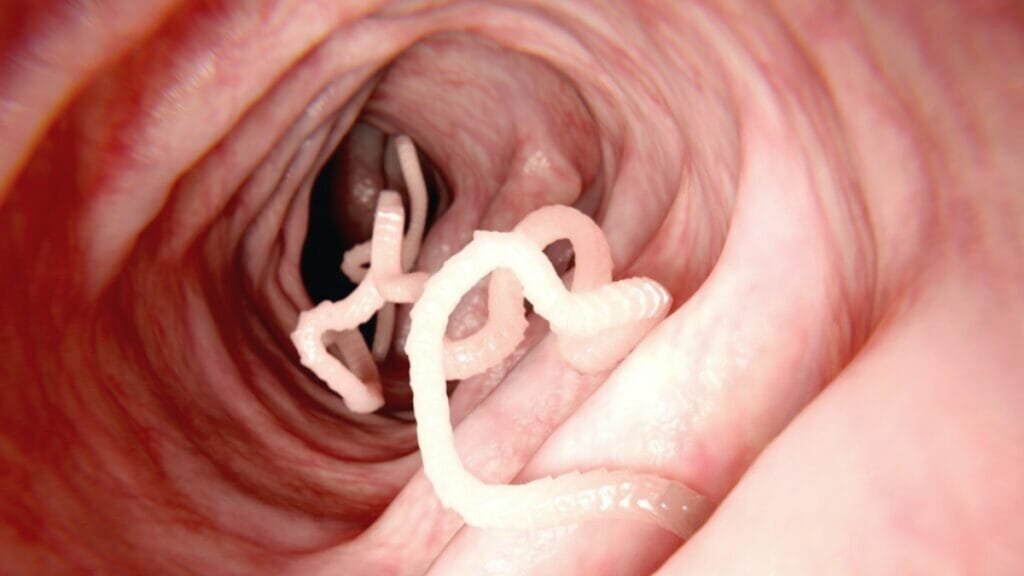
The Life Cycle of Cyclospora Cayetanensis
Understanding the life cycle of Cyclospora cayetanensis is key to understanding how the parasite spreads and why it is challenging to control. The parasite’s journey from an infected person to a new host involves several crucial steps.
1. Shedding: Infected individuals shed unsporulated oocysts in their feces. At this stage, the oocysts are not infectious. This is why direct person-to-person transmission does not occur.
2. Sporulation in the Environment: The oocysts must spend time in the environment to mature, a process called sporulation. This requires days to weeks at temperatures between 22°C and 32°C. Once sporulated, the oocysts become infectious.
3. Contamination: Sporulated oocysts can then contaminate food or water sources. The exact mechanisms of how this occurs are still under investigation, but it is suspected to involve contact with contaminated water during irrigation or processing.
4. Ingestion: A person becomes infected when they ingest the sporulated oocysts, typically through contaminated food or water.
5. Excystation and Infection: Once ingested, the oocysts excyst in the gastrointestinal tract, releasing sporozoites. These sporozoites invade the epithelial cells of the small intestine, where they multiply and complete their life cycle, eventually being shed as oocysts in the stool.
This life cycle highlights the importance of thorough washing of fresh produce and proper sanitation practices, as the parasite requires an intermediate environmental step to become infectious.
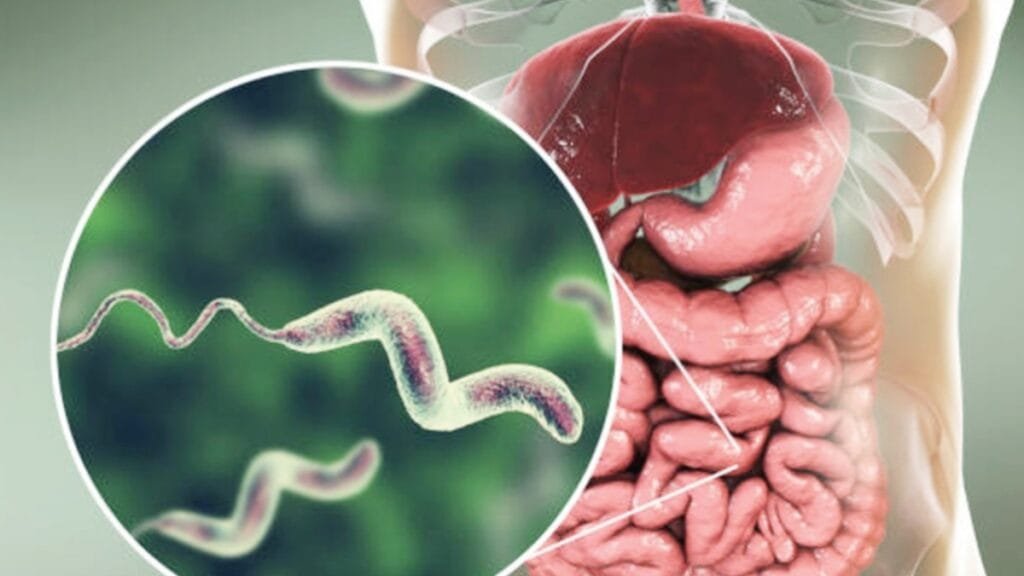
Why Standard Disinfectants Don’t Work Against Cyclospora
One of the most important facts about Cyclospora that sets it apart from other foodborne pathogens is its resistance to common chemical treatments. Chlorine and other standard anti-microbial chemical treatments are not effective against C. cayetanensis, This is because the parasite’s oocyst wall is highly resistant to chemical disinfection, This has significant practical implications. Washing produce with water alone is helpful to physically remove the parasite, but chemical rinses or produce washes are not effective at killing Cyclospora if it is present. The best defense remains thorough washing under running water combined with mechanical action (scrubbing for firm produce) to dislodge the parasite from the surface.
Staying Safe and Informed
The 2026 Cyclosporiasis outbreak serves as a reminder of the importance of food safety and the ongoing challenges of protecting public health from foodborne parasites. By understanding how Cyclospora spreads, recognizing the symptoms, and following prevention guidelines, you can significantly reduce your risk of infection.
Remember these key points:
• Be Aware: The current outbreak is widespread, and cases are being reported across multiple states. Michigan has reported over 1,500 cases, Ohio has reported 177 cases, and other states including North Carolina, New York, Illinois, and Texas have also seen significant case numbers.
• Wash Your Produce: Thoroughly wash all fresh fruits and vegetables under running water. Use a produce brush for firm items, Remember that chemical treatments are not effective against this parasite.
• Practice Good Hygiene: Wash your hands with soap and water before and after handling food.
• Seek Treatment: If you experience watery diarrhea lasting more than a few days, especially if accompanied by fatigue or other symptoms, contact your healthcare provider. Prompt treatment with antibiotics can lead to a faster recovery.
Stay Informed: Continue to follow updates from trusted sources like the CDC and your state health department for the latest information on the outbreak and any new prevention recommendations.
Cyclosporiasis is a serious illness, but with proper precautions and timely medical care, it is manageable. Staying informed and practicing good food safety habits is your best defense.
Disclaimer: This article is for informational purposes only and does not constitute medical advice, diagnosis, or treatment. Always consult your doctor or a qualified healthcare professional for any health concerns. The information provided is based on available data from the CDC and other official sources, but health situations may change. Please refer to the official CDC website for the most current updates.