If you’re living on a small income in the United States right now, the idea of building an emergency fund might sound like a cruel joke. Rent is high, groceries cost more than they did a couple of years ago, and by the time you’ve covered the essentials, there’s often nothing left. Many Americans have little or no emergency savings, and a large number of them would struggle to cover an unexpected expense without borrowing.
But here’s the thing: building an emergency fund on a small income is not impossible. It is hard, and it takes longer than the advice columns suggest. But it can be done. The key is to stop thinking about a huge, intimidating target and start thinking about small, repeatable actions that fit your actual life. This guide is written for real people with real budgets not for people who already have thousands sitting in a savings account. We’ll walk through exactly how to start, how much to aim for, where to keep the money, and how to stay consistent when your income is tight.
Why an Emergency Fund Matters More When You Earn Less
When you have a comfortable income, an unexpected car repair is annoying. When you’re earning a small income, that same repair can send your entire month into a spiral. You put it on a credit card, can’t pay the full balance, and suddenly you’re paying high interest on top of the original cost. That one event can set you back for months.
An emergency fund breaks that cycle. Even a small one changes your options when something goes wrong. A financial planner once put it simply: an emergency fund is what stands between you and high-interest debt when things inevitably go wrong with your home, car, health, or life in general.
The less financial cushion you have, the more vulnerable you are. People who struggle to recover from a financial shock often rely on credit cards or loans, which leads to debt that’s harder to pay off. They may also pull from retirement savings to cover costs which creates a whole new set of long-term problems. An emergency fund is not a luxury. It’s the foundation that keeps everything else from collapsing.
How Much Do You Actually Need?
How Much Do You Actually Need? Rethinking the Standard Advice
The standard advice you’ll hear everywhere is to save several months of living expenses. That’s the right long-term goal, but for someone on a small income, it can feel so large that it becomes paralyzing. If your essential monthly expenses are already a stretch, the standard advice says you need a massive sum. That number is enough to make most people give up before they start.
Here’s a more realistic way to think about it. Break the goal into stages.
Stage One: A Starter Buffer. This covers most common emergencies a car repair, a doctor’s visit, a broken appliance, or a flight home in an emergency. This is your first goal, and it is achievable in weeks or months depending on your income.
Stage Two: A Basic Safety Net. This handles larger single events a bigger car repair or a short gap in income.
Stage Three: One Month of Expenses. Calculate your actual monthly costs: rent, food, utilities, transportation, and minimum debt payments. Having one month covered gives you breathing room if something goes wrong.
Stage Four: Several Months of Expenses. This is the standard recommendation for single-income households. It gives you real breathing room for a job search or extended hardship.
Work through each stage sequentially. Don’t skip to the last stage build the habit and the balance at the same time.
Your target also depends on your situation. If you’re in a dual-income household with stable jobs, a few months may be enough. If you’re a single parent, a freelancer, or someone with a chronic health condition, you should aim for more.
Step-by-Step: How to Find Money to Save When Your Budget Is Already Tight
This is where most advice falls apart. Telling someone on a small income to “just save more” is useless. You need specific, actionable places to find money. Here’s where to look.
Start with automation, not willpower. Set up an automatic transfer from your checking account to a savings account on payday even if it’s just a small amount per paycheck. Automation removes the decision each pay period and makes saving the default behavior. You’ll adjust your spending to whatever’s left, not the other way around. Consistency matters more than the amount.
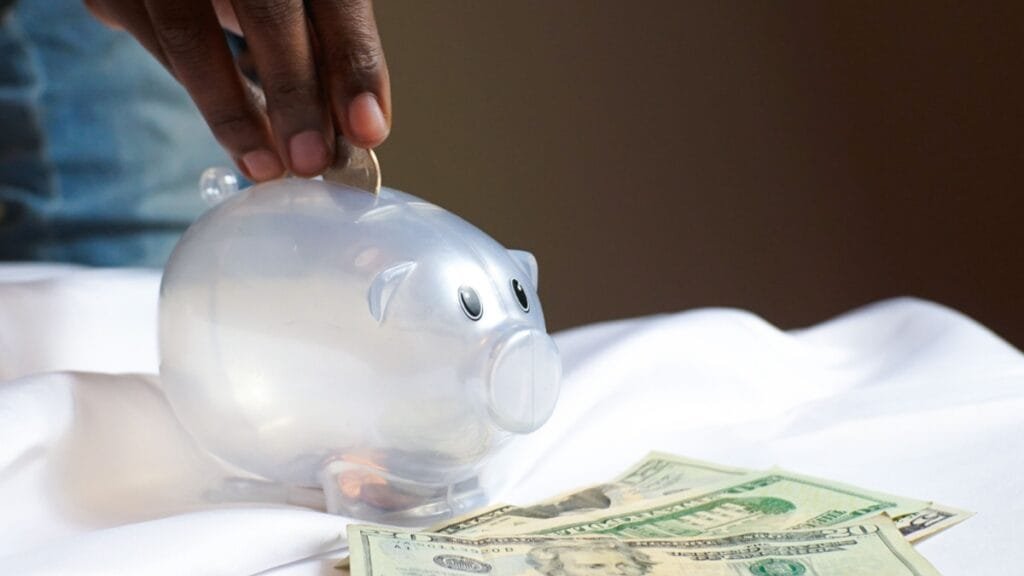
Use micro-saving to build the habit. Micro-saving is the practice of putting aside small amounts of money sometimes just a few dollars each paycheck. The goal is not the amount; it’s building the habit. By consistently moving small amounts into an emergency fund, you learn how to build a habit first while building a small balance. The main goal is to build the habit and reduce overwhelm.
Redirect windfalls. Tax refunds, bonuses, gifts, side income, or any extra money that comes in should go directly to your emergency fund until you hit your target. A tax refund can get you to your starter goal in one transfer.
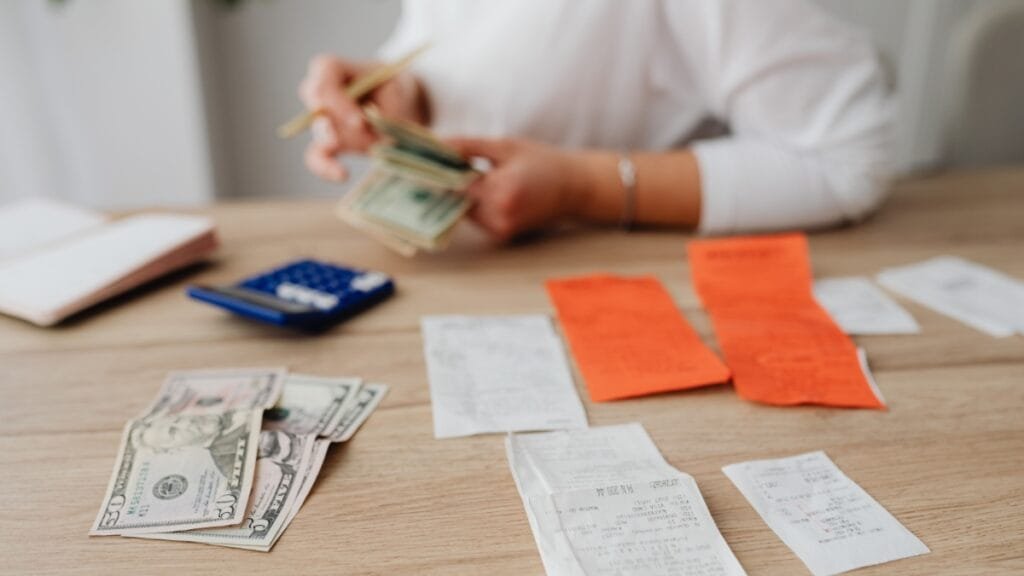
Find one expense to cut. You don’t need to overhaul your entire budget. Find one subscription you don’t use, one meal out to skip per week, or one area where you’re spending more than you realize. Redirect that money to savings.
Use an app if it helps. Many financial apps can automate the process intelligently they link to your checking account, do the math, and transfer money to savings for you.
Increase contributions gradually. As your income goes up, increase your transfer by a small percentage so you don’t feel deprived but your savings grow steadily.
Should You Save or Pay Off Debt First?
Should You Save or Pay Off Debt First?
This is one of the most common questions, and the answer is not as straightforward as some experts make it sound.
If you have high-interest debt credit cards with steep rates the math says you should pay it off first. Every dollar you put toward savings instead of a high-interest credit card is effectively losing money. But in practice, having zero savings while paying off debt leaves you vulnerable. One unexpected expense sends you right back to borrowing, and you’re worse off than when you started.
A practical approach is to do both, with a priority on building a small buffer first. Build your starter emergency fund while making minimum payments on your debt. Once you have that buffer, you can shift more aggressively toward debt payoff. This way, you have a safety net if something goes wrong, and you’re still making progress on your debt.
The Consumer Financial Protection Bureau recommends managing your cash flow carefully and putting away a portion of your tax refund as the easiest ways to get started if your ability to save is limited.
Where to Keep Your Emergency Fund
Where you keep your emergency fund matters more than most people realize. It needs to be safe, easy to reach, and earning something while it sits. A high-yield savings account is generally the best option for most people.
Here’s why. Your money stays liquid, so you can pull it out the day the car breaks down. It’s FDIC insured, so a market dip can’t touch it. And it earns far more than the account most people already have. The average savings account pays very little. On a modest fund, that’s barely anything. The best online banks pay roughly ten times that on the same cash.
As of now, top high-yield savings accounts are offering much higher annual percentage yields than traditional accounts. That difference is significant. If you have a small emergency fund, a higher APY earns you more per year versus just a few dollars in a traditional savings account. Over time, that adds up.
Keep your emergency fund in a separate account from your checking account. The separation makes it harder to spend accidentally. Online high-yield savings accounts are easy to open with no minimum balance requirements at many banks.
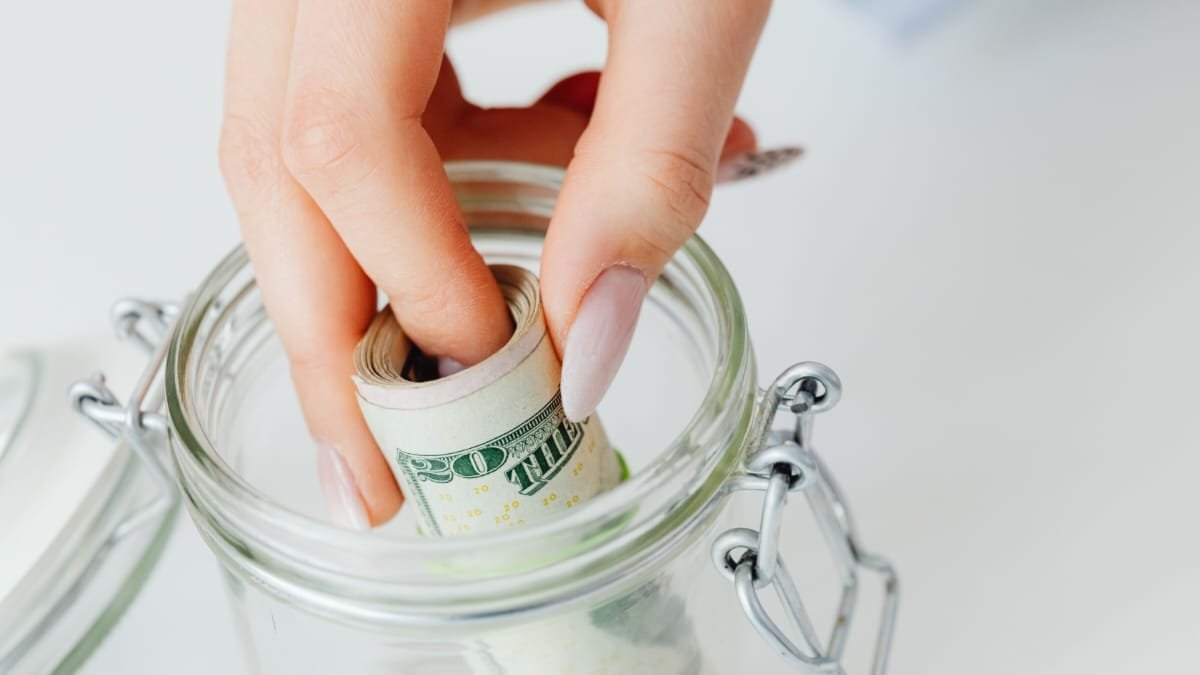
Avoid keeping cash at home. It’s discouraged due to the risk of loss or misplacement. And don’t tie up your emergency fund in investments that can lose value or take time to convert to cash.
Common Mistakes That Derail Emergency Fund Progress
Common Mistakes That Derail Emergency Fund Progress
Even with the best intentions, several common mistakes can keep you from building your fund.
Mistake One: Setting the goal too high and giving up. If you tell yourself you need a huge sum before you can relax, you’ll feel defeated before you start. Set smaller milestones and celebrate hitting them.
Mistake Two: Not automating. Relying on willpower alone rarely works. Automate your savings so it happens without you having to think about it.
Mistake Three: Keeping the money too accessible. If your emergency fund is in your checking account, you’ll spend it. Keep it separate.
Mistake Four: Using the fund for non-emergencies. A sale at your favorite store is not an emergency. Define clearly what counts medical emergencies, urgent home or car repairs, or temporary job loss.
Mistake Five: Not replenishing after use. If you use your emergency fund, make it a priority to build it back up. Replenish the fund promptly after using it.
Mistake Six: Comparing yourself to others. Your emergency fund is not a competition. Progress is progress, no matter how small.
Building Momentum: How to Stay Consistent Over Time
The hardest part of building an emergency fund on a small income is not the first deposit. It’s the tenth, the twentieth, and the fiftieth. Consistency is what makes the difference.
Here are a few ways to stay on track.
Track your progress visually. Seeing your balance grow even slowly is motivating. Use a spreadsheet or an app to track your progress toward each milestone.
Celebrate small wins. When you hit a milestone, acknowledge it. You don’t need to spend money to celebrate, but recognizing your progress reinforces the habit.
Review and adjust regularly. Check your emergency fund level periodically to see if it still meets your needs. If your expenses rise or you get a raise, adjust your contributions accordingly.
Find accountability. Tell a trusted friend or family member about your goal. Having someone who checks in on your progress can help you stay committed.
Remember why you’re doing this. An emergency fund is not just about money. It’s about peace of mind. It means that when something goes wrong, you don’t have to panic. You have options. That feeling is worth every small deposit.
The Bottom Line: Start Small, Start Today
The Bottom Line: Start Small, Start Today
Building an emergency fund on a small income is not easy. But it is possible, and it is one of the most important financial steps you can take. You don’t need to save a huge amount overnight. You need to start with whatever you can even a few dollars per paycheck and keep going.
Many Americans have little or no emergency savings. If you’re in that group, you’re not alone. But you also don’t have to stay there.
Start with a small starter goal. Automate a small transfer. Keep the money separate. Use windfalls to boost your fund. And when you hit a milestone, set the next one.
Your future self the one facing an unexpected car repair or a sudden job loss will thank you.
This article is for informational purposes only and does not constitute financial advice. The strategies mentioned are based on general financial principles. Your individual financial situation is unique, and you should consult a qualified financial advisor before making significant financial decisions. Saving and investment decisions carry risk, and past performance does not guarantee future results.
रश्मि शर्मा, पत्रकार व लेखिका। 8+ वर्षों का अनुभव।
विशेषज्ञता: नेशनल और अंतरराष्ट्रीय राजनीति, क्रिकेट-ओलंपिक, शेयर बाजार, अर्थव्यवस्था, AI-टेक, विज्ञान, स्वास्थ्य नीति व अर्थव्यवस्था, मनोरंजन।
जटिल खबरों को सरल भाषा में समझाना मेरी पहचान।