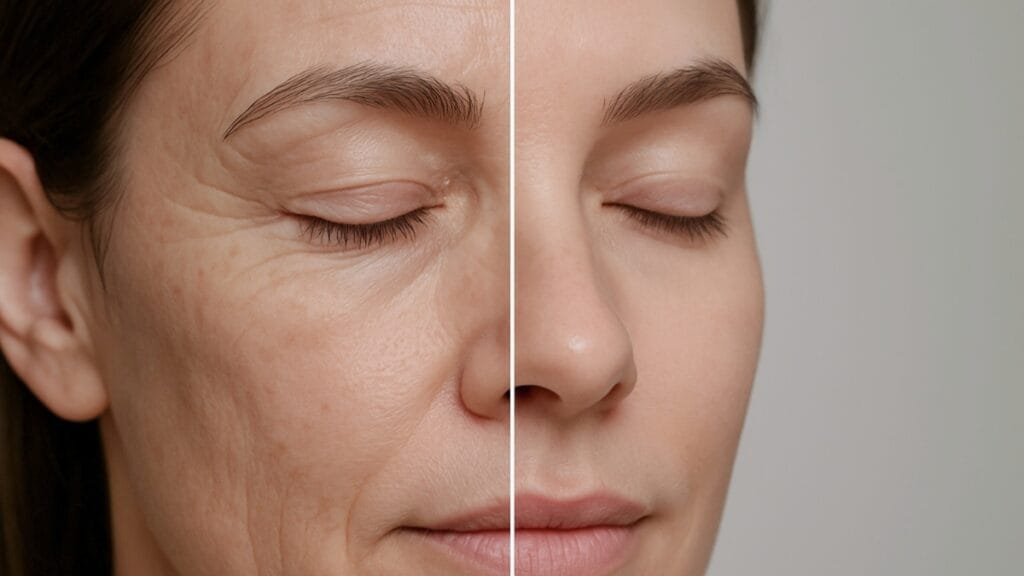
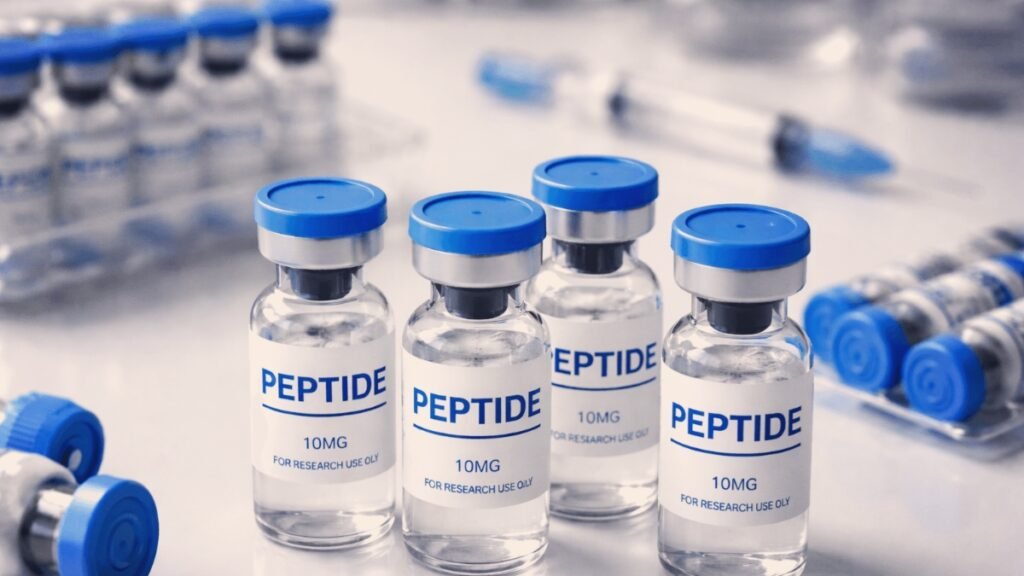
The conversation around peptides has moved from scientific journals to everyday wellness discussions. These short chains of amino acids are now found in skincare serums, fitness supplements, and weight loss medications. But with growing popularity comes confusion. Some peptides are backed by decades of research and approved by regulators. Others are sold online with little to no evidence of safety or effectiveness. This article cuts through the noise. It looks at what peptides actually do, where the science stands, and what you need to know before using them.
What Are Peptides and How Do They Work in the Body?
Peptides are short chains of amino acids linked together by peptide bonds. Think of them as smaller pieces of proteins. While proteins can contain hundreds of amino acids, peptides typically contain between two and fifty. This smaller size makes them easier for the body to absorb and use. In nature, peptides serve as signaling molecules. They carry messages between cells, telling tissues how to respond to changes in the environment.
The human body produces many different peptides naturally. Insulin, for example, is a peptide hormone that regulates blood sugar. Growth hormone is another. Collagen is a large protein made up of many peptide chains. When you eat protein-rich foods, your digestive system breaks them down into peptides and amino acids. These are then absorbed and used for various functions throughout the body.
Synthetic peptides are laboratory-made versions designed to mimic or influence natural biological signals. Scientists can design peptides that bind to specific receptors on cell surfaces. This triggers a targeted response, such as increased collagen production, growth hormone release, or reduced inflammation. Because peptides are highly specific, they offer the potential for precise therapeutic effects with fewer side effects than broad-acting drugs.
However, the leap from natural peptides to therapeutic ones is significant. A peptide that works in a petri dish may not survive digestion in the human body. Many peptides break down in the stomach before they can be absorbed. This is why many peptide-based treatments are delivered through injections or topical creams rather than oral supplements. Understanding this distinction is important when evaluating product claims.
Peptides in Skincare: What the Science Says
Peptides in Skincare: What the Science Says
The skincare industry has embraced peptides as a key ingredient in anti-aging products. The theory is straightforward. As we age, our skin produces less collagen and elastin. These proteins are responsible for firmness and elasticity. Wrinkles and sagging follow. Peptides in creams and serums are meant to signal skin cells to ramp up collagen production, helping to restore a more youthful appearance.
A 2025 review published in the Journal of Steroid Biochemistry and Molecular Biology identified 102 commercially available cosmetic peptides. Most are inspired by molecules already found in the human body, including sequences from extracellular matrix molecules, known as matrikines. These peptides signal skin cells to increase collagen and hyaluronic acid production, modulate pigmentation, and provide antioxidant activity.
Several types of peptides are commonly found in skincare products. Signal peptides, such as palmitoyl pentapeptide-4, stimulate fibroblasts to produce more collagen and elastin. Carrier peptides, like copper peptides, deliver trace elements to the skin that are essential for wound healing and enzymatic processes. Neurotransmitter-inhibiting peptides, such as acetyl hexapeptide-8, work similarly to Botox by relaxing facial muscles and reducing fine lines. Enzyme-inhibiting peptides interfere with the enzymes that break down collagen, helping to preserve the skin’s structural integrity.
A study on collagen peptides derived from sea bass scales showed remarkable improvements in UV-induced photoaging in mice. The peptides increased skin hydration, boosted skin elasticity, and restored collagen volume fraction. Another Korean clinical trial confirmed that topical application of low molecular collagen peptides for eight weeks significantly reduced skin autofluorescence values, indicating anti-glycation effects and collagen synthesis promotion.
Dermatologists often recommend peptide serums as part of an anti-aging routine. However, the results are subtle and take time. Users should expect gradual improvements over weeks or months. Peptides cannot reverse significant skin damage caused by UV exposure, smoking, or poor nutrition. Sunscreen remains the single most effective anti-aging product. Peptides work best as a complement to a comprehensive skincare routine.
Peptides in Fitness and Performance
Peptides in Fitness and Performance: Muscle Building and Recovery
The fitness world has taken notice of peptides for their potential to enhance muscle growth and speed up recovery. Some peptides are marketed to stimulate the body’s natural release of growth hormone. Others are promoted for their ability to heal tendons, ligaments, and joints. For athletes and gym-goers, the appeal is clear. Faster recovery means more training, and more training means better results.
CJC-1295 paired with Ipamorelin is one popular combination. These peptides are designed to promote growth hormone release, which can theoretically help build muscle and reduce body fat. Another combination, often called the “Wolverine stack,” pairs BPC-157 and TB-500. It is associated with claims of accelerated healing and reduced inflammation in muscles, tendons, and joints.
A 2026 sports medicine review evaluated the evidence for these and other performance peptides. The findings were sobering. BPC-157 demonstrated potential benefit in tendon and muscle repair, but the findings were largely unvalidated in human trials. TB-4 and TB-500 showed preclinical tissue-repair signals, but human orthopedic data were lacking. CJC-1295 plus ipamorelin showed benefit in a murine model of glucocorticoid-induced muscle loss but not in large human trials.
More promising is research on collagen peptides for muscle health. A 2025 study published in the Journal of Functional Foods found that collagen peptides rich in hydroxyprolyl-glycine activated mTORC1 signaling in mouse skeletal muscle. This pathway is key for muscle protein synthesis. The activation was observed 180 minutes after administration, with a slower onset than whey protein. Other research has shown that collagen peptide supplementation combined with resistance exercise training improved fat-free mass and muscle strength in older men with sarcopenia.
However, the risks of using unregulated growth hormone-releasing peptides are real. The Endocrine Society warns that these substances can increase blood glucose and diabetes risk. They can trigger chronic joint pain and severe water retention. There is also concern that they may promote cancer progression, particularly in prostate, colon, and breast tissues. All these peptides are on the World Anti-Doping Agency prohibited list and are banned during competitions.
The Connection Between Peptides and Weight Loss
The Connection Between Peptides and Weight Loss
One of the most significant developments in peptide medicine is the arrival of GLP-1 receptor agonists. These are lab-made versions of a naturally occurring peptide hormone that regulates appetite and blood sugar. Semaglutide, sold under brand names like Ozempic and Wegovy, and tirzepatide, sold as Mounjaro and Zepbound, have transformed the treatment of obesity and type 2 diabetes.
These medications work by signaling the brain that you are full. They slow gastric emptying, meaning food stays in your stomach longer. They also help stabilize blood glucose levels. The results from clinical trials have been impressive. In studies, participants using these drugs have lost an average of 15 to 20 percent of their body weight over the course of a year.
A comprehensive BMJ 2026 systematic review and network meta-analysis of 262 randomized trials with nearly 100,000 participants ranked the efficacy of weight loss medications. For one-year weight loss compared to lifestyle modification, tirzepatide led the way with an average loss of 14.9 percent. It was followed by cagrilintide-semaglutide at 14.8 percent, oral semaglutide at 10.9 percent, and subcutaneous semaglutide at 9.8 percent.
The American Diabetes Association published a meta-analysis in June 2026 confirming these findings. Mean weight loss was 5.3 percent with liraglutide, 12.0 percent with semaglutide, and 14.6 percent with tirzepatide. Weight reduction was dose-dependent for both semaglutide and tirzepatide. However, side effects are significant. The odds of nausea were three to four times higher with these drugs compared to placebo. Vomiting was even more common with tirzepatide, with odds six times higher than placebo.
A March 2026 network meta-analysis in Advances in Therapy compared these medications in patients without type 2 diabetes. Tirzepatide 10 mg and 15 mg showed statistically greater improvements in weight reduction compared to liraglutide and semaglutide. The safety profile was generally comparable across all interventions. However, the BMJ review noted that tirzepatide came with the greatest loss of lean mass, at 8.3 percent.
Beyond these FDA-approved options, there is a growing market for unregulated peptides claimed to aid weight loss. AOD-9604, which is derived from a fragment of human growth hormone, and MOTS-c, a mitochondrial-derived peptide, are marketed online as fat-burning agents. However, there is no reliable evidence from human trials to support these claims. Their safety profiles are completely unknown.
Peptide Stacking: A Controversial New Trend
Peptide Stacking: A Controversial New Trend
Social media platforms like TikTok have popularized the practice of peptide stacking. This involves using two or more peptides at the same time to target multiple biological systems. The idea is that combining peptides creates synergistic effects that are greater than the sum of their parts. Popular stacks include the “Wolverine stack” for healing and combinations of GLP-1 medications with growth hormone peptides to preserve muscle mass during weight loss.
The practice has roots in bodybuilding culture, where stacking compounds is common. But experts warn that what works for anabolic steroids does not necessarily apply to peptides. The pharmacology of peptides is complex, and combining them can lead to unpredictable interactions. Some peptides may compete for the same receptors. Others may amplify each other’s side effects. Without data on these combinations, users are conducting uncontrolled experiments on themselves.
Dr. Priya Jaisinghani, an endocrinologist at NYU Langone Health, told Health.com that “the popularity of social media and direct-to-consumer marketing has outpaced the science for many investigational peptides.” There is no research on peptide stacking specifically. The risks are real and include injection-site reactions, full-body hives, hormonal disturbances, and insulin resistance.
Dr. Richard Siegel, an endocrinologist at Tufts Medical Center, warns that CJC-1295 and ipamorelin could elevate growth hormone levels too much. This may increase the risk of endocrine disorders, heart disease, and certain cancers. Melanotan II, a peptide used for tanning, has been linked to reports of melanoma. The lack of regulation means you cannot know what is actually inside the vial. Products may be contaminated, mislabeled, or contain no active ingredient at all.
Dr. Sergey Terushkin, a bariatric surgeon, told MDLinx that the complications he sees are usually not dramatic but are real. He has seen injection site irritation and infections. Some patients expect faster healing but get the opposite. Others delay proper treatment because they try to fix something on their own first. The biggest risk stems from the absence of government oversight.
The Safety and Regulatory Status of Peptides
The Safety and Regulatory Status of Peptides
The divide between FDA-approved peptides and unregulated compounds is the most significant safety concern. FDA-approved medications like insulin, GLP-1 agonists, and certain growth hormone treatments have undergone extensive clinical trials. They are available only by prescription and are meant to be used under medical supervision.
In contrast, many popular peptides like BPC-157, TB-500, MOTS-c, and KPV are not FDA-approved for human consumption. They are often sold online as “research grade” or “not for human consumption.” These products are not regulated for purity, dose accuracy, or sterility. The FDA has expressed serious concerns. For BPC-157, the agency stated that the five studies reviewed were of short duration, had small sample sizes, and evaluated doses that were likely exploratory in nature. For TB-500, regulators said they could not find any human studies using the compound.
On July 23, 2026, an FDA advisory panel voted eight to six to recommend letting pharmacies compound four unproven peptide treatments: BPC-157, KPV, MOTS-c, and TB-500. The votes were nonbinding but amounted to a rebuke of the FDA’s own scientists who said the drugs have not been studied enough to know whether they are safe or effective. The panel’s makeup was unusual. Prior to the meeting, more than a half-dozen people with connections to the peptide industry were added to the panel, including doctors, pharmacists, and consultants who work in the field.
Health Secretary Robert F. Kennedy Jr., who oversees the FDA, has long pushed to lift peptide restrictions. On a podcast last year, he said the agency should study products like peptides but should not tell patients what they can use. Dr. Eric Topol, a cardiologist and founder of the Scripps Research Translational Institute, told The New York Times that “we’re missing safety, we’re missing efficacy, we’re missing the critical evidence.” Dr. Brian Lee, a liver transplant physician at USC, voted no, saying he could not in good conscience endorse the peptides.
As of now, the FDA is not required to follow the panel’s advice, though it usually does. FDA-watchers say the most likely outcome may be a temporary policy reassuring pharmacies that they won’t be targeted for compounding the peptides under review. Russell Wesdyk, an associate director in FDA’s drug center, said that there’s no way to know what the substance actually is, was or will be tomorrow because that name has no legal meaning.
What Do Experts Recommend Instead?
What Do Experts Recommend Instead?
Given the lack of regulation and long-term safety data for many peptides, health experts consistently recommend returning to the fundamentals of health. The Inserm, the French National Institute of Health and Medical Research, published a detailed analysis stating that no large-scale, randomized, controlled clinical trial in humans has confirmed the effects claimed for many peptides, and some peptides present real health risks.
Dr. Poonam Desai, a physician, told MDLinx that she believes peptides have real potential when used the right way. The problem is people buying powerful compounds online with no doctor involved, no bloodwork done first, and no one checking in on how their bodies are actually responding. Dr. Betsy Greenleaf, a board-certified urogynecologist, puts it bluntly: if the body is not getting the basic building blocks from whole foods and proteins, the stacking is not going to work.
The Endocrine Society warns that long-term use of growth hormone-releasing peptides can increase blood glucose and diabetes risk. It can trigger chronic joint pain and severe water retention. There is also concern about potentially promoting cancer progression in prostate, colon, and breast tissues. These risks are not theoretical. They have been observed in clinical settings.
For individuals considering peptide therapy, the consensus is clear. It should only be done under the guidance of a qualified physician experienced in peptide pharmacology and endocrinology. A physician can help assess whether peptide therapy is appropriate, prescribe FDA-approved options when indicated, and monitor for side effects. Self-experimentation with unregulated peptides is risky and not recommended.
The safest path to improved health is not found in a vial or a pill. It is found in daily choices. Eating a balanced diet with adequate protein. Getting regular physical activity, including resistance training. Prioritizing sleep. Managing stress. These practices have far stronger evidence for improving metabolic resilience and longevity than any peptide currently available. They are the foundation upon which any other health intervention should be built.
Navigating the Peptide Landscape
Navigating the Peptide Landscape
Peptides represent a fascinating area of science with real, proven benefits in specific medical contexts. Diabetes and weight management have been transformed by GLP-1 agonists. Skincare has benefited from peptide-based formulations. There is growing, though preliminary, evidence for their potential in fitness and recovery. But the gap between what is well-studied and what is marketed is vast.
The FDA’s recent advisory panel vote on compounding unproven peptides highlights the ongoing debate. It also underscores the need for more research. Access to these compounds may increase, but that does not change the fact that their safety and efficacy have not been established. Dr. Richard Siegel’s advice is worth remembering. He cannot officially recommend something that has not been tested scientifically.
Consumers must be skeptical of exaggerated claims. The safest approach is to prioritize the fundamentals of health and to consult with a qualified healthcare professional before starting any new therapy. As the science continues to evolve, so too will our understanding of how peptides can be used safely and effectively. For now, the wise course is to proceed with caution.
Disclaimer: This article is for informational and educational purposes only. It does not constitute medical advice, diagnosis, or treatment. Peptide supplements, injections, and other therapies discussed in this article may be unregulated, unapproved, or associated with serious health risks. Always consult a qualified healthcare professional before starting any new supplement, medication, or treatment regimen. Never purchase or use research-grade peptides without proper medical supervision. The author and publisher are not responsible for any adverse effects or consequences resulting from the use of any information or products mentioned in this article.
रश्मि शर्मा, पत्रकार व लेखिका। 8+ वर्षों का अनुभव।
विशेषज्ञता: नेशनल और अंतरराष्ट्रीय राजनीति, क्रिकेट-ओलंपिक, शेयर बाजार, अर्थव्यवस्था, AI-टेक, विज्ञान, स्वास्थ्य नीति व अर्थव्यवस्था, मनोरंजन।
जटिल खबरों को सरल भाषा में समझाना मेरी पहचान।