Summer in the USA means pool parties, barbecues, and unfortunately, sky-high electricity bills. This year, a brutal combination of rising temperatures and higher utility rates is putting a strain on household budgets. It is estimated that American households will spend an average of $792 on air conditioning between June and September 2026, which is a 10.5% increase from last year and a staggering 39% jump since 2020.
The reasons are clear. Electricity prices are expected to rise by nearly 5% compared to last summer, driven by higher fuel costs, an aging electrical grid, and growing demand from energy-intensive sectors. Meanwhile, record high temperatures across the nation mean air conditioners are working overtime.
If you’re worried about your next electric bill, you’re not alone. The good news is that there are many simple and effective ways to lower your electric bill in the summer without sacrificing your comfort. This comprehensive guide provides expert-backed strategies to keep you cool and save money.
Master Your Thermostat Settings
One of the most impactful steps you can take is to optimize how you use your thermostat. The U.S. Department of Energy (DOE) recommends a simple formula for summer energy savings.
• The 78°F Rule: For the best balance of comfort and savings, the DOE suggests setting your thermostat to 78 degrees Fahrenheit when you are at home and awake. This might sound a bit warm, but it’s a baseline that helps reduce the load on your air conditioner.
• Raise the Temperature When Away: The biggest savings come from adjusting the temperature when you don’t need it. The DOE advises setting your thermostat 7 to 10 degrees higher for at least eight hours a day such as when you’re at work or asleep. This simple habit can save you up to 10% annually on your heating and cooling bills.
• The Savings Math: For every degree you raise your thermostat above 72 degrees, you can save up to 3% on your cooling expenses. This means that even small adjustments can lead to noticeable savings over the summer.
• Upgrade to a Smart Thermostat: If you often forget to adjust the thermostat before leaving the house, consider investing in a programmable or smart thermostat. These devices can automatically adjust the temperature according to your schedule, and some can even learn your habits and be controlled remotely via a smartphone app. Popular options like the Amazon Smart Thermostat, often available at affordable prices, use adaptive learning to optimize your energy use.
Use Ceiling Fans to Your Advantage
Use Ceiling Fans to Your Advantage
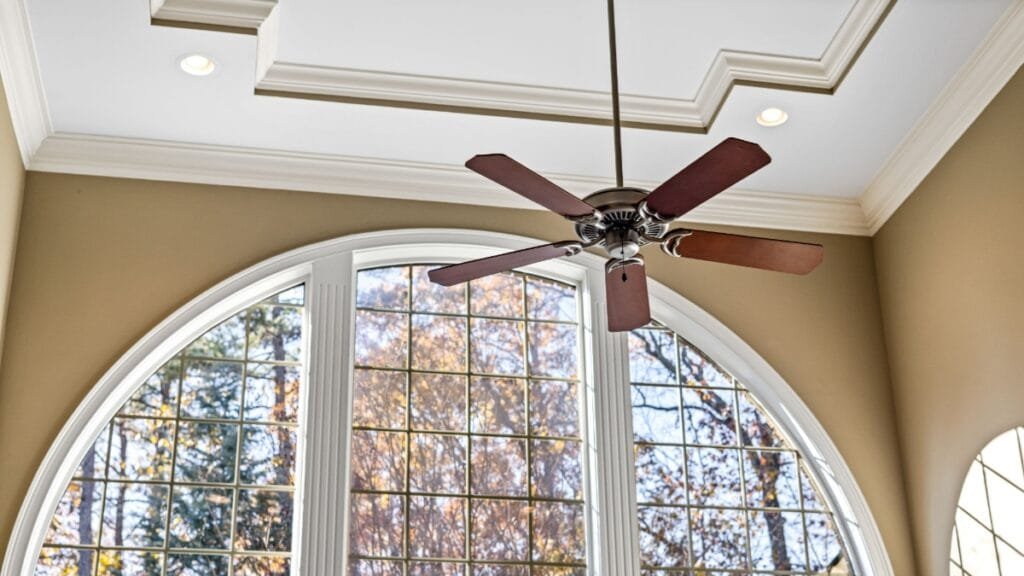
Ceiling fans are a highly effective tool for reducing energy costs. They create a “wind chill” effect that makes you feel cooler without actually lowering the room’s temperature. This allows you to raise your thermostat setting by about 4 degrees while maintaining the same level of comfort.
• Set the Right Direction: During the summer, your ceiling fan should be set to spin counterclockwise. This direction pushes air straight down, creating a cooling breeze.
• Remember the Golden Rule: Fans cool people, not rooms. Turn off ceiling fans when you leave the room to avoid wasting electricity.
Block the Sun’s Heat
Sunlight streaming through your windows is a major source of heat gain. Controlling this heat is a key strategy for lowering your electric bill.
• Close Curtains and Blinds: According to the DOE, keeping window coverings closed during the day is an effective way to block the sun’s heat. This is especially important on south- and west-facing windows, which receive the most direct sunlight. About three-quarters of sunlight shining on a double-paned window enters the home as heat.
• Use Thermal Shades or Blackout Curtains: For even better results, invest in thermal shades or blackout curtains. These can significantly reduce heat conduction through your windows.
• Consider Window Film: If you’re a renter or can’t make major changes, temporary window film or heat-reflective inserts are a great, non-permanent solution to reflect sunlight away.
Seal Air Leaks and Improve Insulation
Cool air leaking from your home is like money escaping through a hole in your pocket. A home that isn’t well sealed forces your air conditioner to work much harder to maintain a comfortable temperature.
• Check for Drafts: Look for gaps and cracks around your windows, doors, baseboards, and electrical outlets. Use caulk or weatherstripping to seal any visible openings.
• Inspect Your Ductwork: Leaky ducts in your attic or crawlspace can be a major source of energy loss. Sealing them can lead to significant savings.
• Weatherize Your Home: Minimizing air leakage and slowing heat transfer is a cornerstone of energy efficiency. Look for financial resources for home energy efficiency upgrades through your local utility programs or the ENERGY STAR rebate finder.
Understand Your Electricity Rate Plan
Understand Your Electricity Rate Plan
The time of day you use electricity can have a big impact on your bill. Many utility companies use Time-of-Use (TOU) rates, where electricity is more expensive during “peak” demand hours (typically late afternoon to early evening) and cheaper during “off-peak” hours.
• Shift Your Usage: If you are on a TOU plan, you can save money by shifting major energy-consuming tasks to off-peak hours. Run your dishwasher, washing machine, and dryer in the evening or early morning.
• Avoid Peak Hours: The simplest strategy is to avoid using large appliances during the hottest part of the day (typically 2 PM to 7 PM). This not only saves you money but also reduces the strain on the electrical grid.
• Check Your Plan: Not all states have deregulated energy markets where you can choose your provider, but if yours does, shop around for the best rates and plan that fits your usage habits.
Schedule Regular AC Maintenance
A poorly maintained air conditioner is an inefficient air conditioner. Just like a vehicle, your cooling system needs regular tune-ups to operate at peak efficiency.
• Change Your Air Filter: This is one of the simplest and most important maintenance tasks. A clogged, dirty air filter blocks airflow, making your system work harder and use more energy. The DOE recommends cleaning or replacing your filter once a month or as recommended by the manufacturer.
• Get a Professional Tune-Up: Schedule annual maintenance with a licensed HVAC professional, ideally before the summer heat hits. A proper tune-up includes a full parts inspection, lubrication, and a coolant top-off. This can identify and repair small problems before they become expensive breakdowns.
Harness Technology and Smart Habits
Harness Technology and Smart Habits
Modern technology offers many tools to help you save energy, but simple habits still make a big difference.
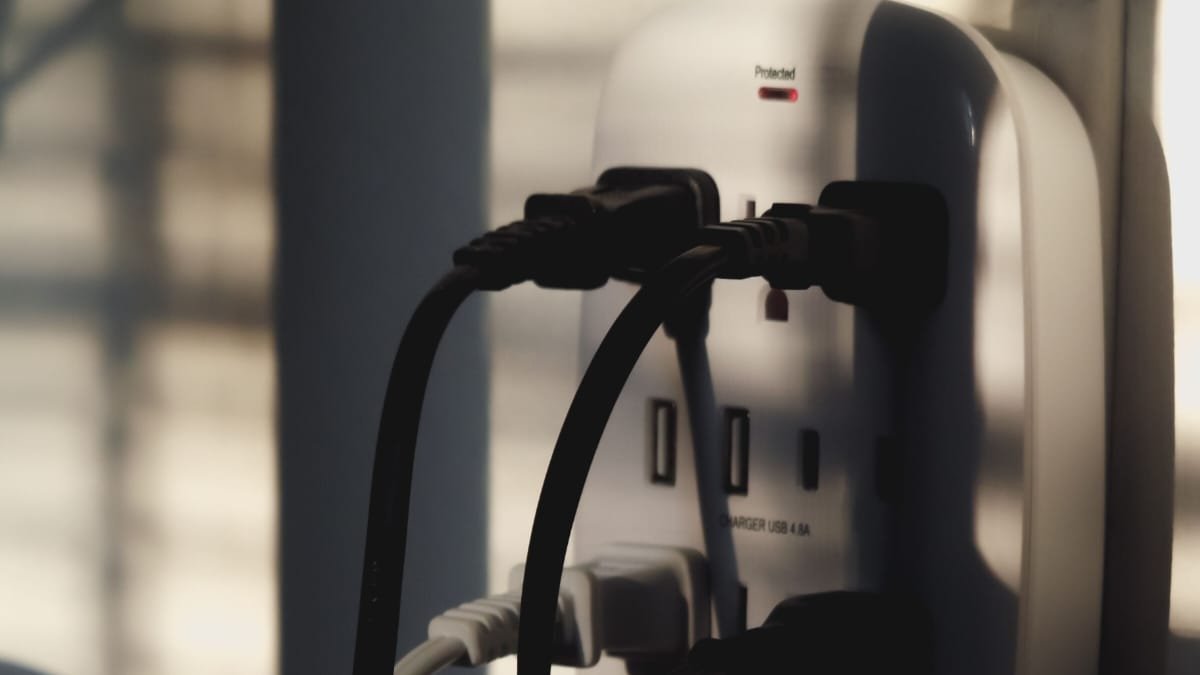
• Cut “Energy Vampires”: Many electronic devices, like chargers, microwaves, and game consoles, draw electricity even when they’re not being used. These “vampire” devices can cost you $100-200 a year. Unplug them or plug them into a power strip that you can easily turn off.
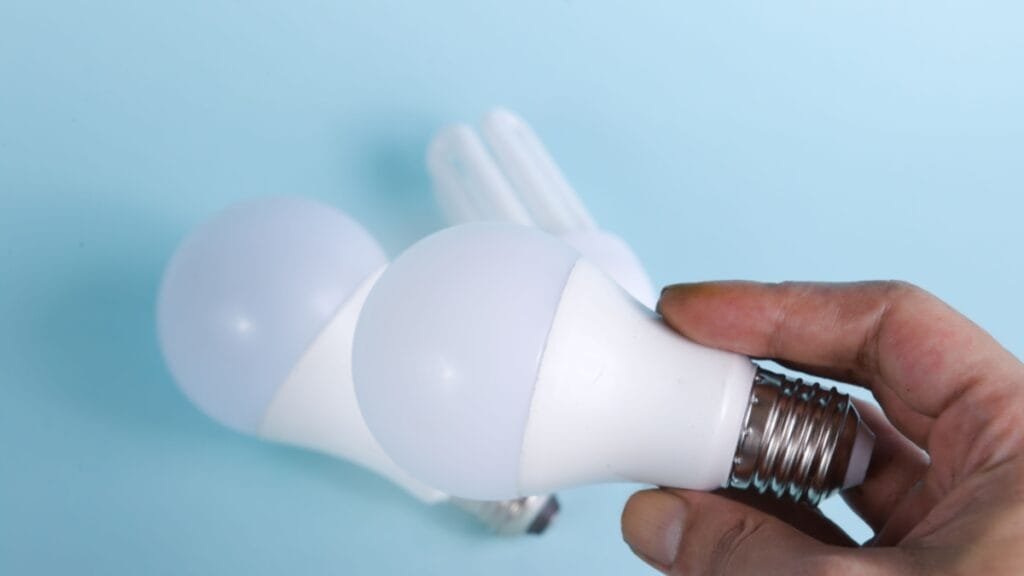
• Upgrade to LED Lightbulbs: LED bulbs use up to 90% less energy than old incandescent bulbs and produce significantly less heat, which is a major plus in the summer. If every American homeowner replaced just one standard bulb with an ENERGY STAR-rated LED, we would save hundreds of millions in energy costs.
• Avoid Heat-Generating Appliances: Try not to use your oven, stovetop, or dishwasher during the hottest parts of the day. They add heat to your home and force your AC to work harder. Opt for the microwave, outdoor grill, or prepare meals in the cooler morning or evening hours.
• Use Exhaust Fans Wisely: Turn off kitchen, bath, and other exhaust fans within 20 minutes after use. They remove hot, humid air, but if you leave them on, they can also pull cooled air out of your home.
Consider Renewable Energy and Rebates (2026 Update)
For homeowners looking for a long-term investment, installing solar panels was traditionally a powerful way to slash electric bills. However, the landscape has changed dramatically in 2026.
• Residential Solar Tax Credit: The 30% federal residential solar tax credit, which was a major incentive for many, officially ended on December 31, 2025. For systems placed in service on or after January 1, 2026, the federal residential tax credit is 0%.
• New Alternatives (HEEHRA Rebates): While the direct tax credit is gone, the federal government has shifted its focus. The primary federal incentive for residential electrification is now the High-Efficiency Electric Home Rebate Act (HEEHRA). This program provides point-of-sale discounts (instant cash off), making energy-efficient upgrades more accessible. Homeowners can qualify for up to $14,000 in rebates for items like electrical panel upgrades, heat pump HVAC systems, and heat pump water heaters.
• State and Local Incentives: Many states and local utility companies still offer their own solar and energy efficiency incentives and rebates. It is essential to check what programs are available in your area, as they can still provide significant savings.
You don’t have to choose between sweltering in the heat and paying exorbitant electric bills. By implementing these practical strategies, you can take control of your energy consumption. Start with the simple and cost-free steps: adjust your thermostat, use fans, and close your blinds. Then, invest a little time in sealing your home and maintaining your air conditioner. By being mindful of when you use electricity and leveraging modern technology, you can enjoy a comfortable, cool home while keeping more money in your pocket all summer long.
रश्मि शर्मा, पत्रकार व लेखिका। 8+ वर्षों का अनुभव।
विशेषज्ञता: नेशनल और अंतरराष्ट्रीय राजनीति, क्रिकेट-ओलंपिक, शेयर बाजार, अर्थव्यवस्था, AI-टेक, विज्ञान, स्वास्थ्य नीति व अर्थव्यवस्था, मनोरंजन।
जटिल खबरों को सरल भाषा में समझाना मेरी पहचान।