The U.S. Congress is the heart of American democracy. When major laws are passed, wars are declared, or international treaties are signed, the U.S. Congress is behind it all. This institution represents the voice of the people, transforming public will into law. The U.S. Constitution grants Congress legislative authority, making it one of the most powerful branches of the federal government.
Many people mistakenly think of Congress as a single entity, but it is actually divided into two chambers, the Senate and the House of Representatives. This bicameral system is a unique feature of the U.S. Constitution, designed by the framers to balance state equality with population-based representation. The word Congress comes from Latin, meaning to come together.
Today, as American politics becomes increasingly polarized, understanding how Congress functions is more important than ever. Do you know how many Democrats and Republicans are currently in Congress? What is the difference between a Congressman and a Senator? And what did Congress vote on today? In this article, we will answer all these questions in detail and explain the duties and powers of Congress in simple language.
The significance of Congress extends far beyond American borders. Every major international agreement, trade deal, or military action involving the United States requires Congressional approval or oversight. This makes understanding Congress essential for anyone interested in global affairs, international economics, or geopolitical strategy. The decisions made within the walls of the Capitol Building in Washington, D.C., ripple across every continent and affect billions of lives worldwide.
Furthermore, the U.S. Congress serves as a model for legislative bodies in many other democracies. Countries around the world have studied and adapted elements of the American bicameral system, the committee structure, and the checks-and-balances framework. By understanding how Congress operates, we gain valuable insights into the strengths and challenges of representative democracy itself.
What Is the U.S. Congress and How Is It Structured?
What Is the U.S. Congress and How Is It Structured?
The U.S. Congress, often referred to as the American Parliament, is the legislative branch of the United States federal government. It is a bicameral legislature, meaning it is composed of two houses, the upper house (Senate) and the lower house (House of Representatives). Congress was established under Article I of the U.S. Constitution, and its primary function is to create federal law.
The main difference between the two chambers lies in their formation and representation. The Senate has two members (Senators) from each state, regardless of population. In contrast, the House of Representatives has members proportional to each state’s population. This arrangement reflects the framers’ vision, the Senate symbolizes state equality, while the House represents national population and unity.
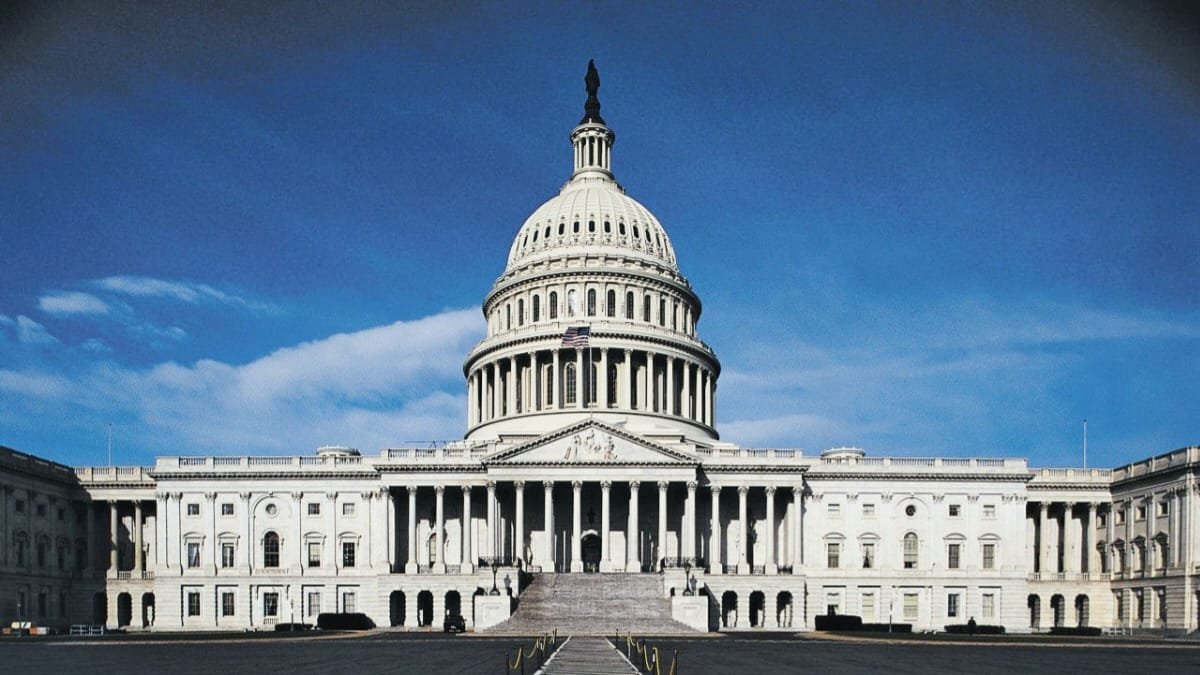
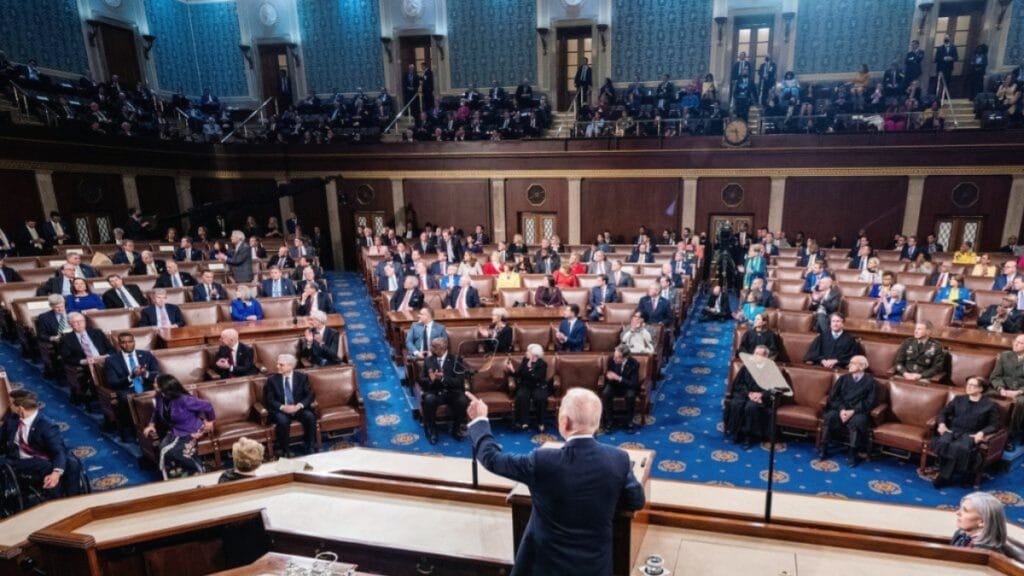
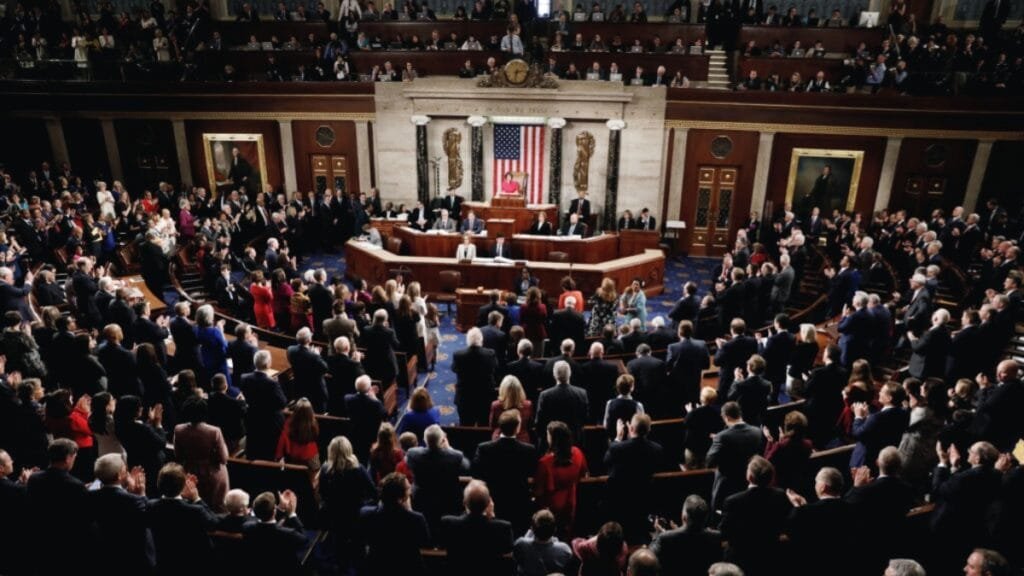
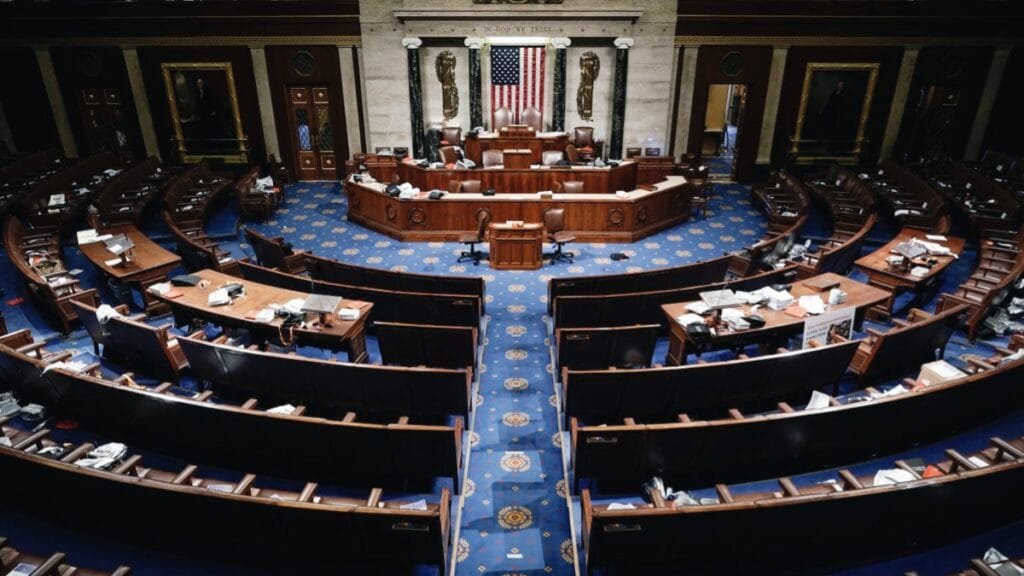
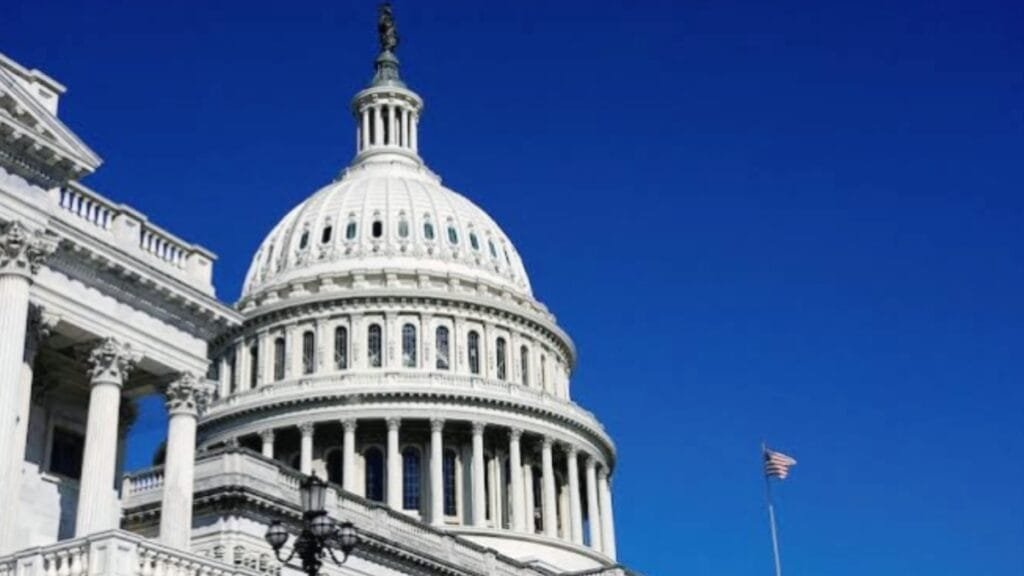
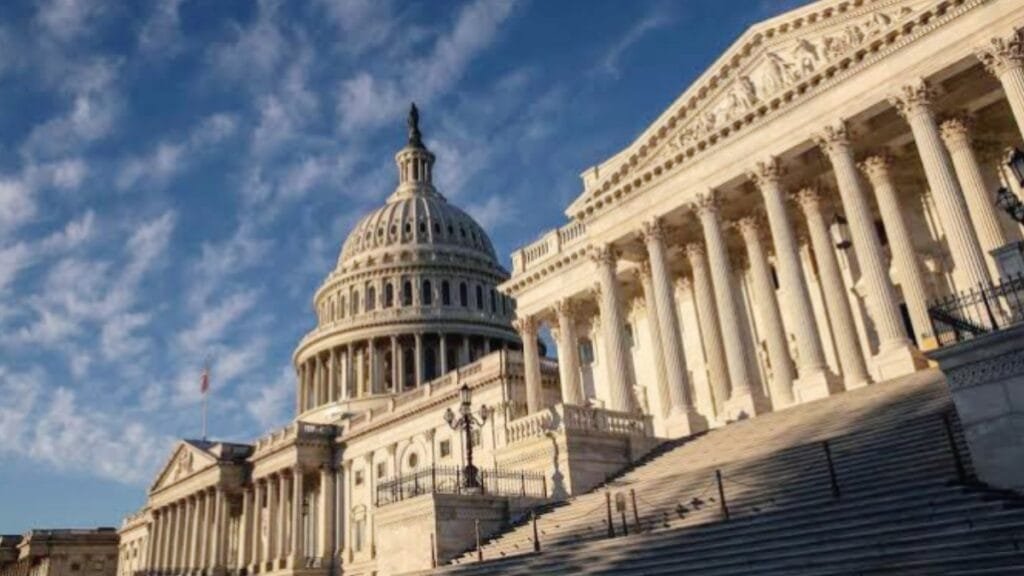
Congress meets in the Capitol Building in Washington, D.C. The south wing is reserved for the House of Representatives, while the north wing is for the Senate. Together, both chambers make national laws, pass the budget, and oversee the government. The total number of voting members in Congress is 535, 435 in the House and 100 in the Senate.
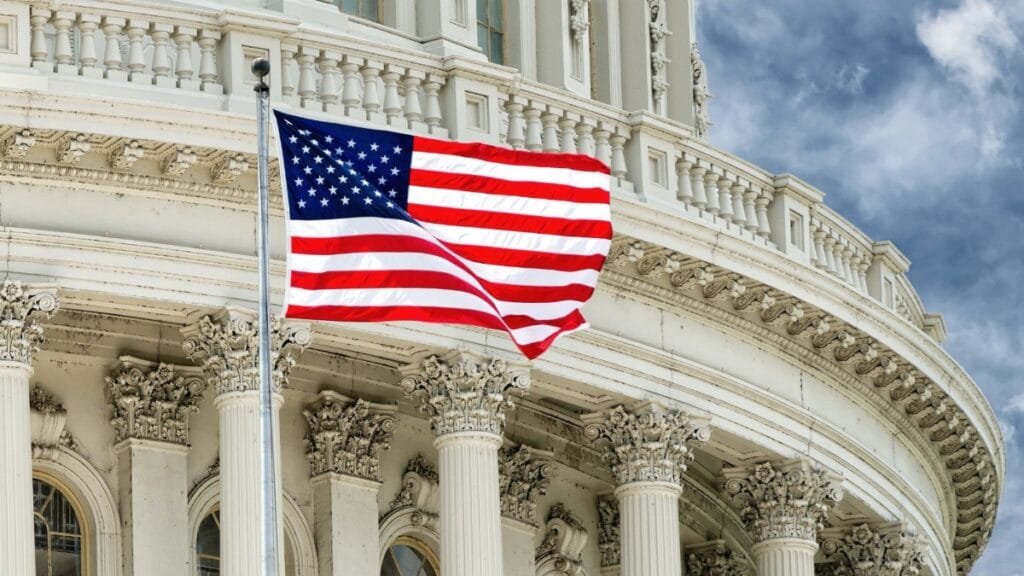
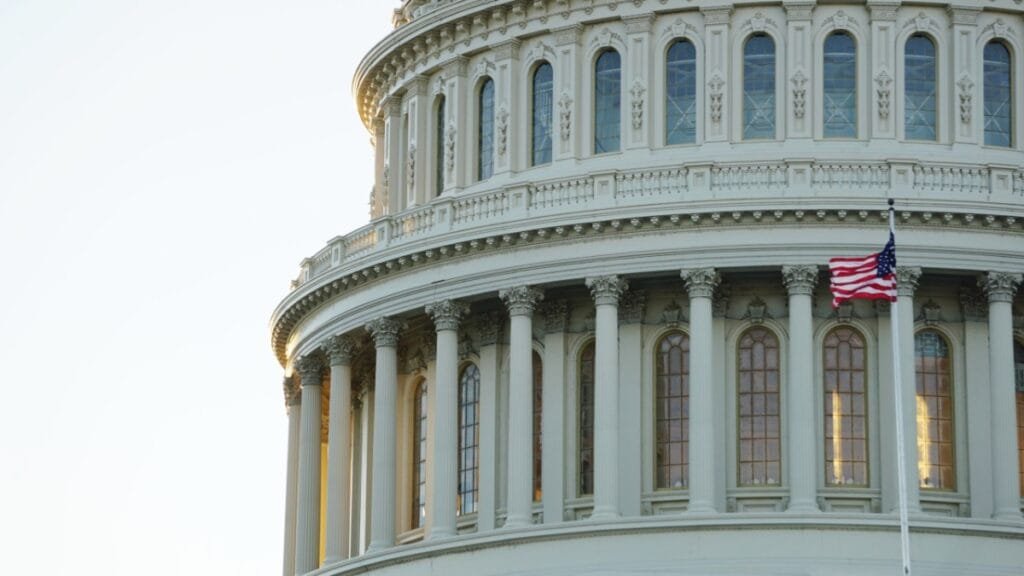
The Capitol Building itself is an iconic symbol of American democracy. Its dome, completed during the Civil War, stands as a testament to the nation’s endurance through its most challenging period. The building houses not only the legislative chambers but also numerous committee rooms, offices for members and staff, and historic spaces that have witnessed centuries of American political history.
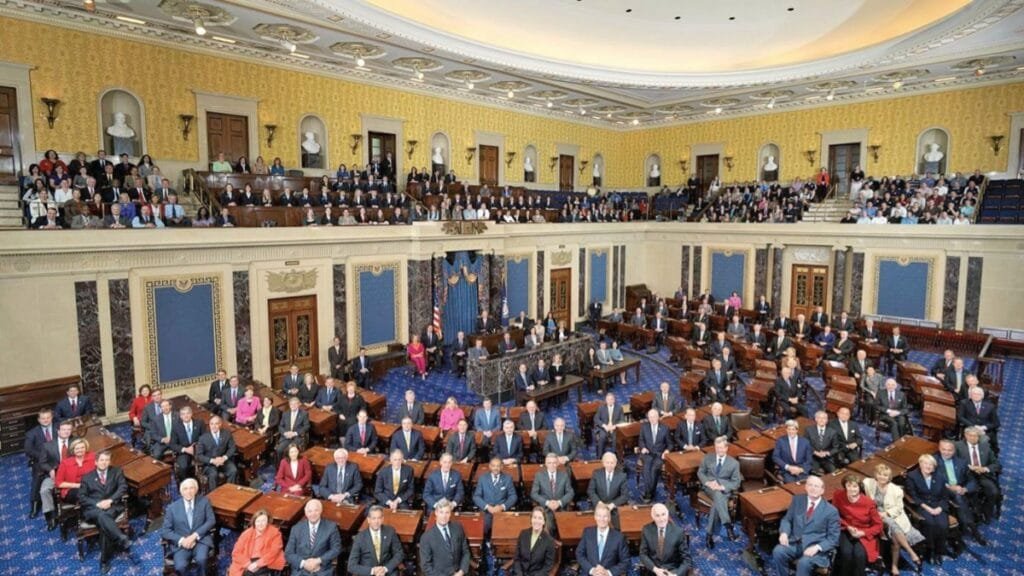
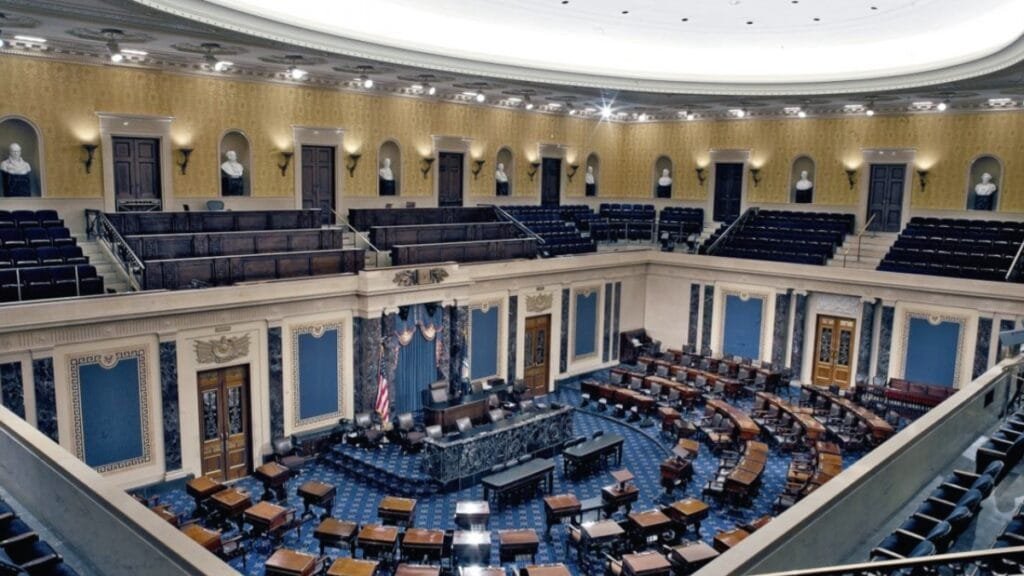
The architectural design of the Capitol reflects the principles of the Constitution. The House chamber, located in the south wing, is larger and more crowded, symbolizing the direct representation of the people. The Senate chamber, in the north wing, is more intimate and stately, representing the deliberative and statesmanlike character expected of the upper house. This physical arrangement reinforces the distinct roles and responsibilities of each chamber.
The Senate: Structure, Members, and Election Process
The Senate: Structure, Members, and Election Process
The Senate is the upper chamber of Congress, consisting of 100 Senators. Each of the 50 states elects two Senators, making the total 100. Senators serve six-year terms, but elections are staggered so that approximately one-third of the Senate is up for election every two years, ensuring continuity.
To become a Senator, candidates must be at least 30 years old, have been a U.S. citizen for at least nine years, and reside in the state they represent. These requirements are more stringent than those for the House, reflecting the framers’ desire for the Senate to be a more mature and deliberative body.
The Senate has special powers that are extremely important. It confirms major presidential appointments, such as Supreme Court justices, Cabinet members, and federal judges. It also ratifies international treaties (requiring a two-thirds majority). The Senate tries impeachment cases initiated by the House. The Vice President serves as President of the Senate and can cast a tie-breaking vote.
Senators are divided into junior and senior categories. The Senator with fewer years of service is the junior Senator, while the one with more service is the senior Senator. This distinction affects everything from office assignments to committee preferences and influence within the chamber. Senior Senators typically hold more powerful committee positions and have greater ability to shape legislation.
The Senate’s tradition of unlimited debate is one of its most distinctive features. Unlike the House, where debate is strictly limited by rules, the Senate allows senators to speak for as long as they wish on any topic. This tradition has led to the practice of the filibuster, where a senator or group of senators can delay or block legislation by speaking for extended periods. To end a filibuster, the Senate must invoke cloture, which requires a supermajority of 60 votes.
The Senate also plays a crucial role in shaping the federal judiciary. Supreme Court nominations, in particular, have become highly contentious political battles in recent decades. The Senate’s advice and consent power over judicial appointments has given it enormous influence over the ideological direction of the courts, which in turn affects American law and society for generations.
The House of Representatives: Structure
The House of Representatives: Structure, Members, and Election Process
The House of Representatives, also called the House, is the lower chamber of Congress. It has 435 voting members, elected from congressional districts across states. Additionally, there are 6 non-voting members representing Washington D.C., Puerto Rico, Guam, the U.S. Virgin Islands, the Northern Mariana Islands, and American Samoa.
House members serve two-year terms, and all 435 seats are up for election every two years. Seats are apportioned among states based on population, which can change after each decennial U.S. Census. To become a Representative, candidates must be at least 25 years old, have been a citizen for at least seven years, and reside in the state they represent.
Currently, California has the most representatives (52), while smaller states like Alaska, Delaware, Montana, North Dakota, South Dakota, Vermont, and Wyoming have only one each. The House’s most unique power is that all revenue-related bills (taxation bills) must originate in this chamber. Additionally, the House can initiate impeachment proceedings against federal officials.
The House operates under much stricter rules than the Senate. The House Rules Committee, which is controlled by the majority party leadership, determines how long debate will last and what amendments can be offered on each bill. This centralization of power makes the House more efficient but also more partisan than the Senate.
The Speaker of the House is the most powerful leader in the chamber and the third in line for the presidency after the Vice President. The Speaker controls the legislative agenda, appoints committee members, and represents the House in dealings with the President and the Senate. The Speaker’s power has grown significantly in recent decades, making this position one of the most influential in American government.
Members of the House typically represent smaller, more homogeneous constituencies than Senators. This means they tend to be more responsive to local concerns and more vulnerable to electoral pressures. The two-year election cycle keeps representatives constantly in campaign mode, which affects their legislative priorities and voting behavior.
Congressman vs Senator
Congressman vs Senator: Key Differences
Many people use the terms “Congressman” and “Senator” interchangeably, but they are quite different. A Senator is a member of the Senate (upper chamber), while a Congressman typically refers to a member of the House of Representatives (lower chamber). Broadly speaking, a Congressman could refer to any member of either chamber, but common usage associates it with the House.
The key differences lie in term length, representation, and special powers. Senators serve six-year terms, while Congressmen serve two-year terms. Senators represent entire states, while Congressmen represent specific congressional districts. The Senate has the power to confirm appointments and ratify treaties, which the House does not have, while the House has the exclusive power to introduce tax bills and initiate impeachment.
Another important difference is the size of the constituencies they represent. A Senator represents millions of people across an entire state, often with diverse and competing interests. A Congressman represents a smaller, more geographically compact district, which allows for more direct constituent service and closer connection to local issues.
The prestige and influence of Senators generally exceed those of House members. Senators have longer terms, which gives them more independence from public opinion and more time to develop expertise on complex issues. Senators also have greater media visibility and national name recognition, making them more likely to be considered for presidential or vice-presidential nominations.
The career paths of Senators and Congressmen also differ significantly. Many Senators previously served in the House, viewing it as a stepping stone to the upper chamber. Few Senators choose to run for the House, as it would represent a step down in status and influence. The Senate is often seen as the pinnacle of a political career, while the House is viewed as a starting point for ambitious politicians.
Current Party Balance in the U.S. Congress
Current Party Balance in the U.S. Congress (119th Congress)
The U.S. Congress is dominated by two major political parties, the Democratic Party and the Republican Party. As of the 119th Congress (2025-2026), the balance of power is as follows.
The Senate has 100 seats. According to data from August 2025, Republicans hold 53 seats, Democrats hold 45 seats, and Independents hold 2 seats, both of whom caucus with the Democrats. There is one vacancy. This gives Republicans a functional majority of 53 seats, while Democrats have 47 votes for organizational purposes.
The House has 435 voting seats. Republicans hold 218 seats, Democrats hold 212 seats, there is 1 Independent who caucuses with Republicans, and 4 vacancies. This gives Republicans a functional majority of 219 votes for organizational purposes. The 119th Congress convened on January 3, 2025, and will end on January 3, 2027. It consists of 435 Representatives and 100 Senators. Republicans hold the majority in both chambers.
The diversity of the 119th Congress is noteworthy. According to the Congressional Research Service, the Congress includes 66 African Americans (59 Representatives, 2 Delegates, and 5 Senators), 56 Hispanic or Latino Members (47 Representatives, 3 Delegates, and 6 Senators), 24 Asian or Pacific Islander Americans (18 Representatives, 3 Delegates, and 3 Senators), and 4 Native Americans (3 Representatives and 1 Senator). There are 155 women in the 119th Congress, comprising 125 Representatives, 4 Delegates, and 26 Senators.
This diversity represents a significant shift from earlier eras when Congress was overwhelmingly white, male, and Protestant. The increasing representation of women, racial minorities, and religious minorities has brought new perspectives to legislative debates and has made Congress more reflective of the American population it serves.
Looking ahead to the 2026 elections, the stakes are high. In the 2026 Senate elections, 33 seats are up for election, with 20 held by Republicans and 13 held by Democrats. Democrats need a net gain of four seats to win a majority. In the 2026 House elections, all 435 seats are up for election. Democrats need a net gain of three districts to win a majority. Republicans can lose no more than two districts and retain a majority. The elections will take place on November 3, 2026.
Additionally, two special Senate elections will fill vacancies left by former Senators J.D. Vance of Ohio and Marco Rubio of Florida, who became Vice President and Secretary of State, respectively. These special elections add to the complexity of the 2026 electoral landscape. As of June 1, 2026, 11 incumbent senators and 58 incumbent representatives are not running for re-election in 2026. This high level of turnover will likely bring many new faces to Congress and could significantly affect the balance of power and legislative priorities.
Primary Duties and Powers of the U.S. Congress
Primary Duties and Powers of the U.S. Congress
The U.S. Congress has numerous important duties and powers under Article I of the Constitution. These powers fall into three categories: general powers shared by both chambers, exclusive Senate powers, and exclusive House powers.
The general powers of Congress are extensive and form the foundation of federal governance. Congress’s main job is to create federal law. A bill must pass both chambers and then receive the President’s signature to become law. Congress approves the federal budget, including taxation and government spending. Congress monitors the executive branch, holding hearings and investigations to check abuses of power. The House can impeach federal officials, and the Senate tries the cases. Congress also has the power to declare war, raise and maintain armed forces, and create rules for the military.
The exclusive Senate powers include confirming presidential appointments such as Supreme Court justices, Cabinet members, and ambassadors. The Senate ratifies international treaties with a two-thirds majority. The Senate elects the Vice President if no candidate gets a majority in the Electoral College. The Senate conducts impeachment trials, with a two-thirds vote required for conviction.
The exclusive House powers include originating all revenue, or tax, bills. The House initiates impeachment proceedings against federal officials. The House elects the President if no candidate gets a majority in the Electoral College, with each state getting one vote.
Congress also has the power to regulate interstate commerce, coin money, establish post offices and roads, grant patents and copyrights, and make all laws necessary and proper for carrying out its enumerated powers. This “necessary and proper” clause, also known as the elastic clause, has been interpreted broadly by the courts, allowing Congress to expand its authority far beyond what the framers originally envisioned.
The commerce clause, in particular, has been used to justify federal regulation of virtually every aspect of American economic life, from manufacturing and agriculture to transportation and telecommunications. This expansive interpretation has made Congress the dominant branch of government in many policy areas, with authority that touches almost every aspect of American life.
Congress also plays a crucial role in overseeing the executive branch. Through committee hearings, investigations, and subpoena power, Congress can hold the President and federal agencies accountable for their actions. This oversight function has become increasingly important in recent decades as the executive branch has grown in size and power.
How a Bill Becomes Law
How a Bill Becomes Law: The Legislative Process
The legislative process involves multiple steps, each of which provides opportunities for debate, amendment, and potential defeat. Understanding this process is essential for grasping how Congress actually works.
A bill is introduced by a Member of the House or Senate and is given a number, such as H.R. or S. The bill is then referred to a committee with jurisdiction over its subject matter. The committee may hold hearings, conduct research, and make changes to the bill in a process known as markup. If the committee does not advance the bill, it is effectively killed.
If the committee approves the bill, it is put before the chamber for debate and voting. In the House, rules limit debate and amendments. The House Rules Committee, controlled by the majority party, determines the parameters of debate, including how long members can speak and what amendments can be offered.
In the Senate, debate can be extensive, and a filibuster is possible. A filibuster is a tactic used by a senator or group of senators to delay or prevent a vote by speaking for extended periods. To end a filibuster, a cloture vote requiring 60 senators is needed. This supermajority requirement makes it difficult for the majority party to pass controversial legislation without bipartisan support.
If the bill passes one chamber, it goes to the other chamber for a similar process. The second chamber may pass the bill as-is, make changes, or propose a different version. If the two chambers pass different versions, a conference committee made up of Members from both chambers works out a compromise. Both chambers then vote on the identical bill.
Finally, the bill is presented to the President. The President can sign the bill into law, veto the bill, or do nothing. If the President does nothing and Congress is in session, the bill becomes law after 10 days. If Congress is adjourned, the bill dies in a pocket veto. If the President vetoes the bill, Congress can override the veto with a two-thirds vote in both chambers, though successful overrides are rare.
In modern times, the legislative process has become more complex and partisan. Party leaders play a much larger role in controlling what bills reach the floor and how they are debated. The use of omnibus bills, which are large, comprehensive packages that combine many different provisions, has become common, especially for budget legislation. This allows Congress to pass many policy changes in one vote.
In the Senate, the filibuster and the 60-vote cloture requirement mean that legislation often needs bipartisan support to advance, unless it goes through the budget reconciliation process, which requires only a simple majority. Reconciliation is a special procedure that allows certain budget-related bills to pass with 51 votes, bypassing the filibuster. This process has been used increasingly in recent years to pass major legislation without bipartisan support.
The Role of Congressional Committees
The Role of Congressional Committees
Committees are the workhorses of Congress. Most of the detailed legislative work, including hearings, investigations, and bill drafting, takes place in committees rather than on the floor. There are standing committees, which are permanent and handle specific subject areas, select committees, which are temporary and address specific issues, and joint committees, which include members from both chambers.
The committee system allows members to develop expertise in particular policy areas. For example, the Senate Finance Committee handles tax and trade issues, while the House Armed Services Committee oversees military policy. Members who serve on these committees often become the leading experts in their fields and can shape legislation in significant ways.
Committee chairs are among the most powerful figures in Congress. They control the committee’s agenda, decide which bills to consider, and manage the committee’s staff and budget. The majority party typically holds the chairmanships, giving them substantial control over the legislative process.
Committee hearings provide a forum for public input and oversight. Witnesses, including government officials, experts, and interest group representatives, testify before committees on various issues. These hearings can generate media attention and public awareness, influencing the legislative process and public opinion.
What Did Congress Vote on Today?
What Did Congress Vote on Today? (Current Activity)
As of July 2026, the U.S. Congress is in regular session and actively considering several important bills. The 2026 midterm elections are approaching, where all 435 House seats and 33 Senate seats will be contested.
Key issues currently under debate include the federal budget, tax policies, foreign aid packages, and internal security legislation. Recent votes have included defense budget and supply chain improvement bills. Congress is also considering legislation related to immigration reform, healthcare costs, and energy policy.
It is important to note that all Congressional votes are public record. You can track daily voting records and bill status on the official U.S. Congress website. The website provides detailed information on each bill, including the text, amendments, committee reports, and voting records.
The 2026 election cycle has intensified political activity in Congress. Members are increasingly focused on their reelection campaigns, which affects their legislative priorities and willingness to take controversial positions. This election year dynamic often leads to increased partisanship and gridlock, as members seek to differentiate themselves from their opponents.
The stakes for the 2026 elections are particularly high given the narrow majorities in both chambers. Control of Congress could shift with just a handful of seats, making every race competitive. This uncertainty has led to heightened fundraising and campaigning activity, with both parties investing heavily in key districts and states.
The U.S. Congress is a vital institution of global politics, with a structure, powers, and decisions that affect the entire world. Its two chambers, the Senate and the House of Representatives, work together to create American laws, oversee the government, and approve the national budget.
Currently, the 119th Congress (2025-2026) has Republicans holding a majority in both chambers, with 53 seats in the Senate, including the 2 Independents who caucus with Democrats, and 218 seats in the House. Democrats hold 45 seats in the Senate and 212 seats in the House, with 4 vacancies. This balance may change in the upcoming midterm elections on November 3, 2026, when all 435 House seats and 33 Senate seats will be contested.
Understanding how Congress works, the difference between a Senator and a Congressman, and the duties of Congress is essential not only for understanding American politics but also for understanding how decisions are made by the world’s largest economy and military power. The U.S. Congress, with its bicameral system and balanced powers, remains one of the most successful models of modern democracy.
The legislative process, while complex and sometimes frustrating, reflects the framers’ commitment to deliberation, compromise, and checks on power. Despite its flaws and controversies, Congress has adapted to changing circumstances over more than two centuries. Its continued evolution and resilience demonstrate the strength of American democratic institutions and the enduring importance of representative government.
As the United States faces new challenges at home and abroad, the role of Congress will remain central to the nation’s response. Whether addressing economic inequality, climate change, technological disruption, or geopolitical competition, Congress will be at the forefront of shaping policy and providing democratic legitimacy to the decisions that affect the American people and the world.
रश्मि शर्मा, पत्रकार व लेखिका। 8+ वर्षों का अनुभव।
विशेषज्ञता: नेशनल और अंतरराष्ट्रीय राजनीति, क्रिकेट-ओलंपिक, शेयर बाजार, अर्थव्यवस्था, AI-टेक, विज्ञान, स्वास्थ्य नीति व अर्थव्यवस्था, मनोरंजन।
जटिल खबरों को सरल भाषा में समझाना मेरी पहचान।