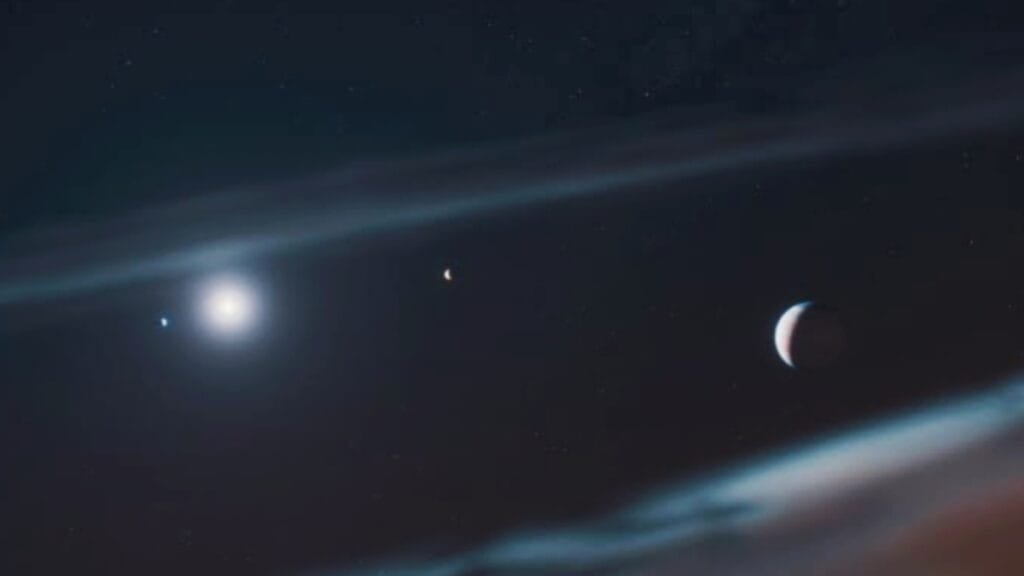
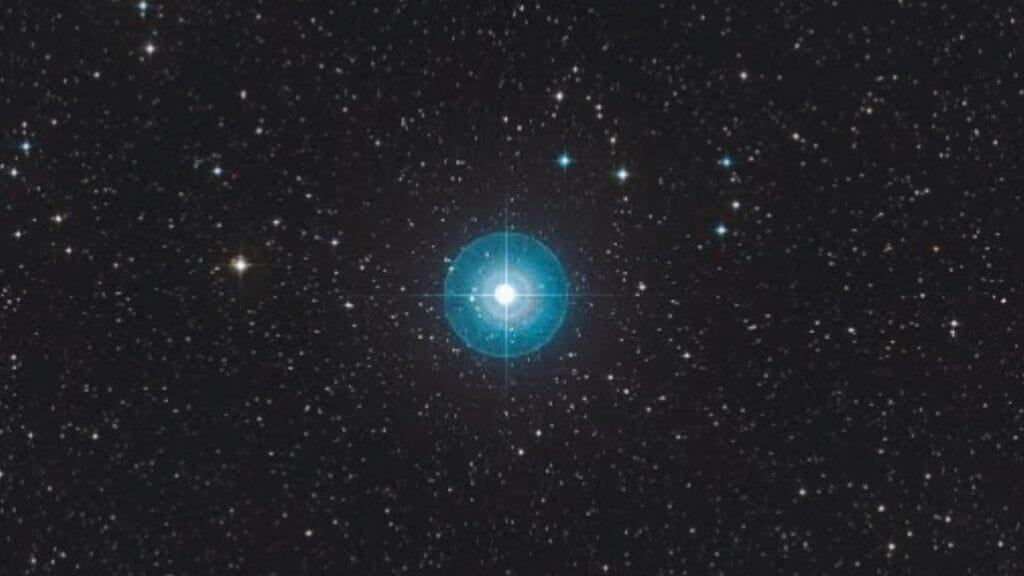
Imagine looking up at the night sky and knowing that nearly every star you see is home to at least one planet. This is not science fiction, it is the reality of modern astronomy. Since the discovery of the first exoplanet in the 1990s, scientists have confirmed thousands of these distant worlds, each one a unique piece of a cosmic puzzle. These planets come in an astonishing variety of sizes, compositions, and environments, from scorching hot Jupiters that orbit their stars in mere days to frozen worlds that drift in the darkness far from any sun.
Exoplanets, or extrasolar planets, are planets that exist outside our own Solar System. They orbit stars other than our Sun, and their study has revolutionized our understanding of planetary formation and the potential for life beyond Earth. The search for these distant worlds has become one of the most exciting frontiers in science, with missions like NASA’s James Webb Space Telescope (JWST) providing unprecedented views into their atmospheres and compositions. As of 2026, the count of confirmed exoplanets continues to rise, with new discoveries being announced regularly. Just in July 2026 alone, astronomers confirmed the discovery of Beta Pictoris d, a faint gas giant that has become the most directly imaged exoplanet from Earth.
This article explores the fascinating world of exoplanets. We will look at what they are made of, examine some of the most famous and intriguing examples, and investigate the ultimate question: how many of these worlds could be habitable? The journey into these distant realms is just beginning, and each new discovery brings us closer to answering one of humanity’s oldest questions.
What Are Exoplanets Made Of?
What Are Exoplanets Made Of?
The composition of an exoplanet depends largely on its size, mass, and distance from its host star. Just like the planets in our own Solar System, exoplanets can be broadly classified into two main categories: rocky terrestrial planets and gas giants. However, the diversity among exoplanets is far greater than what we see in our neighborhood.
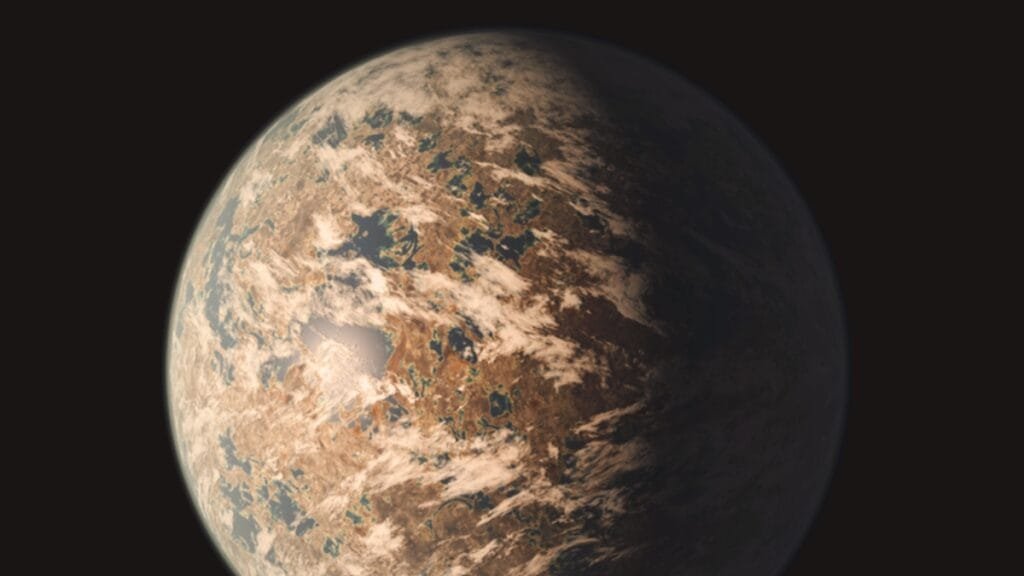
Rocky exoplanets, also known as terrestrial planets, are similar in composition to Earth, Venus, and Mars. These worlds are primarily made of silicate rocks and metals, with a solid surface and a relatively thin atmosphere compared to their gas giant counterparts. Their composition is determined by the materials available in the protoplanetary disk during their formation. Recent research has shown that the crust composition of rocky exoplanets can be linked to observable features in their atmospheres. This means scientists can study the chemistry of a planet’s atmosphere to infer the mineral makeup of its surface.
Key elements found in the crusts of these planets include silicon, oxygen, iron, magnesium, and aluminum. The presence of sulfur compounds, iron oxides, feldspars, silicates, and carbon species can be revealed through careful analysis of spectroscopic data.
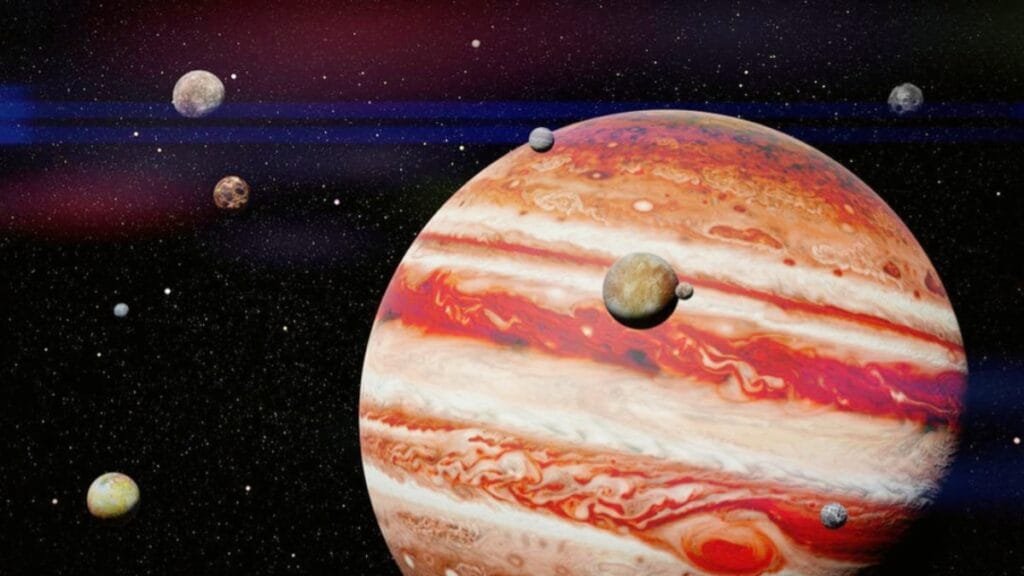
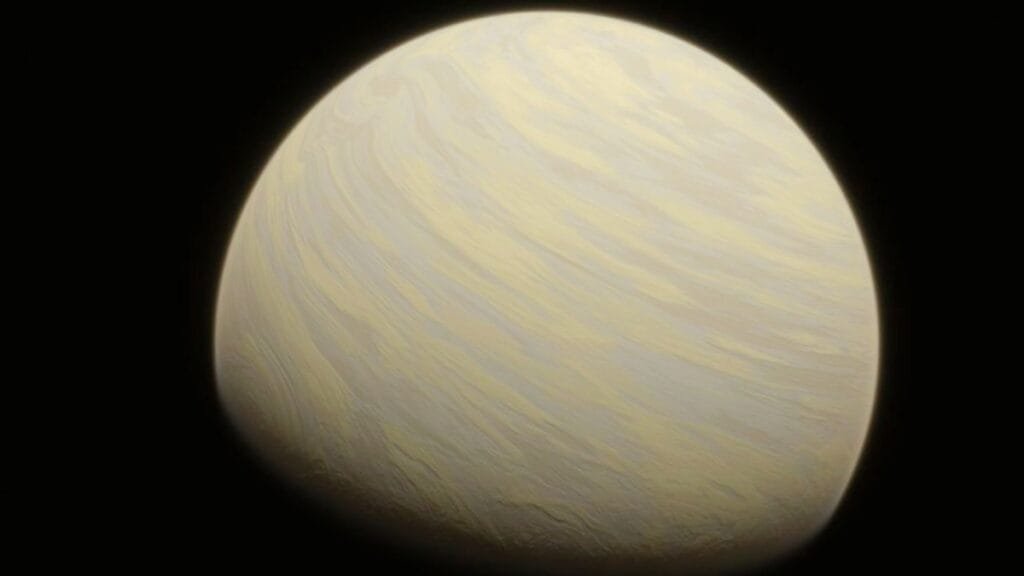
On the other hand, gas giant exoplanets are massive worlds dominated by thick, gaseous atmospheres. They are similar to Jupiter and Saturn in our own system. These planets do not have a well-defined solid surface and are composed mainly of hydrogen and helium, along with traces of other gases like methane, ammonia, and water vapor. A recent discovery highlights the extraordinary variety even within this category. The planet V1298 Tau b, a young sub-Neptune just 10 to 30 million years old, was found to have an unusually clear and puffy atmosphere. Observations with JWST detected molecules like water vapor, methane, carbon dioxide, and even hints of complex photochemical processes such as sulfur dioxide. Surprisingly, this planet’s atmosphere is much less enriched in heavy elements than expected, suggesting it is still evolving and may become more metal-rich with time.
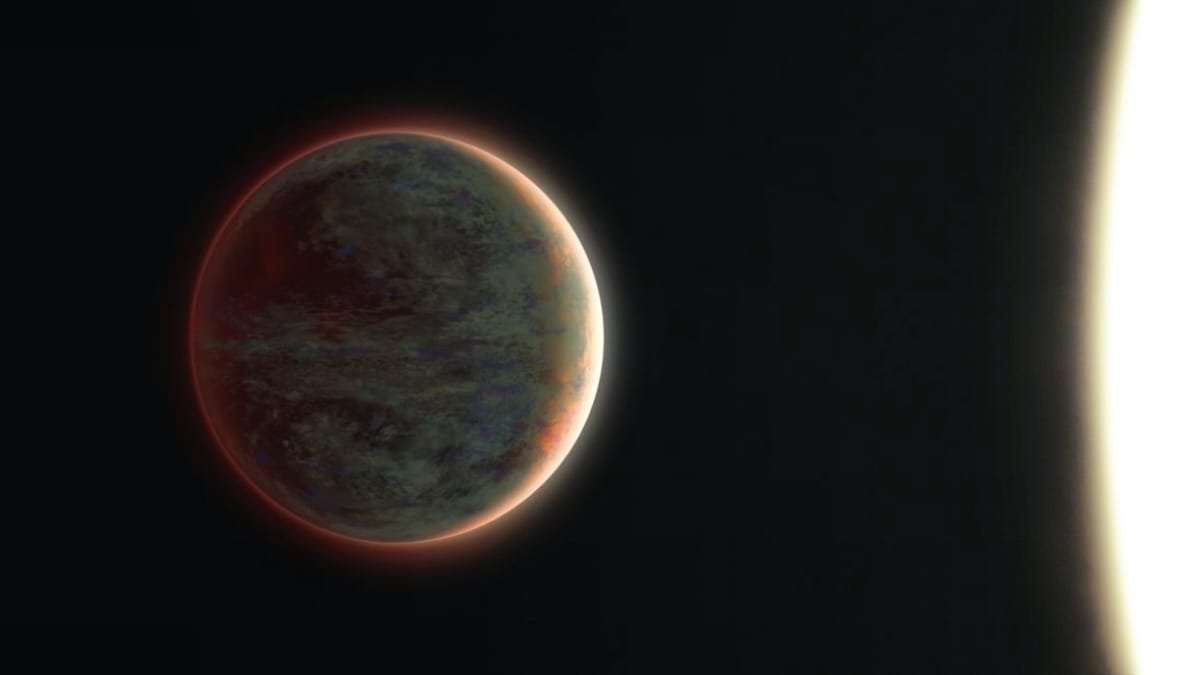
In some extreme cases, we find “hot Jupiters,” which are gas giants that orbit very close to their host stars. These worlds are incredibly hot, and their atmospheres can contain vaporized rock. The chemical equilibrium between a planet’s surface and its atmosphere is a crucial factor in determining the composition of the air we might observe from Earth. In hot, rocky exoplanets, the atmosphere can actually be composed of vaporized rock. This incredible variety demonstrates that the materials that make up exoplanets are as diverse as the stars they orbit.
Popular Exoplanets and Their Names
The list of discovered exoplanets is now in the thousands, but some have captured the public imagination more than others. Here are some of the most popular and fascinating exoplanetary systems.
Beta Pictoris d
Beta Pictoris d: The Faintest Photographed Planet
In July 2026, astronomers announced the discovery of Beta Pictoris d, a gas giant located 63 light-years from Earth. This planet has a mass 2.4 times that of Jupiter and orbits the star Beta Pictoris. What makes this planet truly special is that it is the faintest exoplanet ever imaged directly from Earth, being 100 times fainter than its sibling, Beta Pictoris b. The discovery was made using the European Southern Observatory’s Very Large Telescope (VLT) in Chile, and astronomers realized the planet had been hiding in archival observations dating back 11 years.
This discovery makes Beta Pictoris only the second directly imaged system known to host more than two confirmed planets. Both the VLT and JWST independently confirmed the planet’s existence, with JWST using its NIRSpec instrument to detect the planet at longer wavelengths. The discovery not only adds a third planet to the system but also helps explain why the dusty disk around Beta Pictoris has such a peculiar shape.
Proxima Centauri b: Our Neighbor
At the top of many astronomers’ lists is Proxima Centauri b. This planet orbits Proxima Centauri, the closest star to our Sun, just 4.2 light-years away. Discovered in 2016, it is roughly Earth-sized and orbits within its star’s habitable zone, the region where liquid water could potentially exist on its surface. Its proximity makes it the most promising target for future interstellar exploration, perhaps even within this century. However, Proxima Centauri is an active red dwarf star that produces intense stellar flares, which could pose challenges for any potential life on the planet.
The TRAPPIST-1 System
The TRAPPIST-1 System: Seven Earth-Sized Worlds
The TRAPPIST-1 system is a treasure trove of Earth-sized planets. Located about 40 light-years away, this system contains seven rocky planets, three of which (e, f, and g) lie in the habitable zone. The system is an ideal laboratory for studying the evolution of Earth-sized planets at different distances from their star. The James Webb Space Telescope has been focusing on these worlds, although its observations so far have shown that TRAPPIST-1 b and c likely have no significant atmospheres. However, recent studies suggest that TRAPPIST-1 e still has a chance of retaining an atmosphere, making it a key target for future observations. The star’s intense flare activity continues to be a major challenge for atmospheric retention on these worlds.
K2-138: The Musical System
This system is remarkable for its orbital resonance. The six planets around K2-138 are locked in a series of 3:2 resonances, meaning some planets orbit their star three times in the same time it takes others to orbit twice. Scientists have converted these orbital ratios into a musical sonification, giving the system a unique “song.” This pattern suggests that the planets formed through a slow, gradual process, providing clues about planetary system formation.
TOI-178: The Tightly Packed System
Around 63 parsecs away, the TOI-178 system features six planets packed so tightly that all six would fit inside the orbit of Mercury. This confirms theories that such tightly packed systems can form when planets shuffle around during their early years. The discovery of this system also underscores the power of using multiple telescopes, with NASA’s TESS satellite spotting the planets and the European Space Agency’s Cheops satellite confirming the details.
Other famous exoplanets include HD 209458 b (Osiris), the first transiting exoplanet discovered and the first where an atmosphere was detected; 51 Pegasi b (Bellerophon/Dimidium), the first exoplanet discovered orbiting a Sun-like star; and PSR B1620-26 b (Methuselah), the oldest known exoplanet, estimated to be 13 billion years old, orbiting a pulsar in the M4 star cluster.
Pictures of Exoplanets
Pictures of Exoplanets
Directly imaging an exoplanet is incredibly difficult because they are small and faint compared to their host stars. However, technological advances have allowed us to capture actual pictures of some of these distant worlds. The most famous images are of gas giants, like those in the Beta Pictoris and HR 8799 systems. These images are not like a photo from a smartphone; they usually show a tiny point of light next to a much brighter star. The discovery of Beta Pictoris d is a testament to the increasing capability of ground-based telescopes to capture these faint objects. Future telescopes, like the Extremely Large Telescope (ELT), are expected to capture even more images of exoplanets, including smaller, rocky ones.
The image of Beta Pictoris d was captured using the ERIS instrument on the VLT, and the planet appears as a very faint dot in the data. Astronomers used the technique of “medium-resolution spectroscopy” to detect the planet’s chemical fingerprint, specifically carbon monoxide (CO), rather than just relying on a direct image. This advanced technique allowed them to confirm the planet’s existence despite its extreme faintness.
How Many Exoplanets Are Habitable?
How Many Exoplanets Are Habitable?
This is one of the most profound questions in astronomy. As of 2026, the NASA Exoplanet Archive lists over 6,100 confirmed exoplanets, with thousands more candidates waiting to be confirmed. But how many of these could actually support life as we know it?
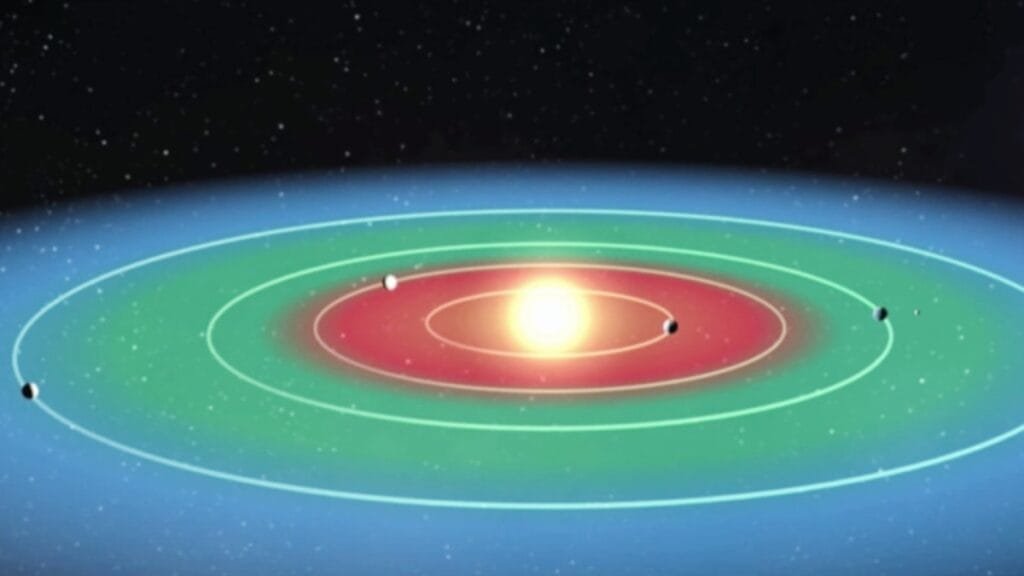
The answer depends on how we define “habitable.” A planet is considered potentially habitable if it orbits within its star’s habitable zone (often called the “Goldilocks Zone”), the region where temperatures are just right for liquid water to exist on the planet’s surface. Life as we know it requires liquid water, so this is a crucial starting point.
The Planetary Habitability Laboratory (PHL) maintains the Habitable Worlds Catalog, which lists planets that are the best candidates for potentially habitable worlds. As of March 2024, this catalog listed up to 70 potentially habitable exoplanets, with 29 in the “conservative” sample (more likely to be rocky and suitable for surface liquid water) and 41 in the “optimistic” sample (which may include water worlds or mini-Neptunes).
Among the most promising candidates are:
• Proxima Centauri b: As mentioned, this is an Earth-mass planet in the habitable zone of the nearest star.
• TOI-700 d: An Earth-sized planet in the habitable zone of a red dwarf star.
• TRAPPIST-1 e, f, and g: Three rocky planets in the habitable zone of a cool red dwarf.
However, there is a catch. Many of these planets orbit red dwarf stars. Red dwarfs are much smaller and cooler than our Sun, but they are also extremely active, prone to intense stellar flares. These flares can erode planetary atmospheres, destabilize climate, and hinder the evolution of complex life. For instance, observations of the TRAPPIST-1 planets have not yet found strong evidence of atmospheres, possibly because the star’s activity has stripped them away.
Moreover, the count changes constantly. Astronomers are adding dozens of new planets to the catalog every month. For example, in July 2026 alone, NASA’s Exoplanet Archive added 18 new planets, including the discovery of Beta Pictoris d. Many of these new planets are gas giants or hot worlds, but some could potentially be habitable.
The Search Continues
The Search Continues: New Discoveries in 2026
The field of exoplanet science is advancing at a breathtaking pace. Almost every week, new discoveries are announced, expanding our understanding of what is possible. In 2026 alone, dozens of new exoplanets have been confirmed. These include:
• TIC 150070085 b: A Neptune-like exoplanet that orbits a F-type star with a mass 12.8 times that of Earth.
• HD 126105 b: A gas giant with a mass 1.67 times that of Jupiter, orbiting a K-type star.
• KMT-2023-BLG-0332L b: A gas giant with a massive 22 Jupiter masses, located 6,500 parsecs from Earth.
• TOI-4311 b, c, d: A three-planet system discovered in May 2026, with planets ranging from 4.5 to 26.4 Earth masses.
• Gliese 48 b: A 6.2 Earth-mass planet orbiting a star just 26.9 light-years from Earth.
• GJ 3378 b: A super-Earth found in the habitable zone of an M-dwarf star.
• TOI-201 d: A third planet in a system, notable for having dynamically evolving orbits.
These discoveries highlight the incredible diversity of exoplanets in our galaxy. Scientists are now using next-generation telescopes like the Extremely Large Telescope and space missions like PLATO and Ariel to characterize the atmospheres of these worlds in more detail than ever before. The goal is not just to find planets but to understand them. By studying their atmospheres, we can search for biosignatures, chemical signs of life, and perhaps one day answer the question: Are we alone?
The study of exoplanets has transformed our view of the universe. We now know that planets are not rare; they are everywhere. From the Earth-like worlds in the TRAPPIST-1 system to the faint images of gas giants like Beta Pictoris d, each discovery opens a new window into the cosmos. We are learning that planets come in an astonishing range of compositions, from rocky worlds that might resemble our own to hot Jupiters with atmospheres of vaporized rock.
The question of how many exoplanets are habitable is still being explored. While no exoplanet has been confirmed to have a habitable environment, the number of candidates grows every year. The ongoing and future missions will continue to push the boundaries, bringing us closer to answering the ultimate question: Is there life beyond Earth? The year 2026 has already proven to be an exciting year for exoplanet science, with Beta Pictoris d being a highlight. As technology improves, we can only imagine what other worlds are waiting to be discovered.
रश्मि शर्मा, पत्रकार व लेखिका। 8+ वर्षों का अनुभव।
विशेषज्ञता: नेशनल और अंतरराष्ट्रीय राजनीति, क्रिकेट-ओलंपिक, शेयर बाजार, अर्थव्यवस्था, AI-टेक, विज्ञान, स्वास्थ्य नीति व अर्थव्यवस्था, मनोरंजन।
जटिल खबरों को सरल भाषा में समझाना मेरी पहचान।