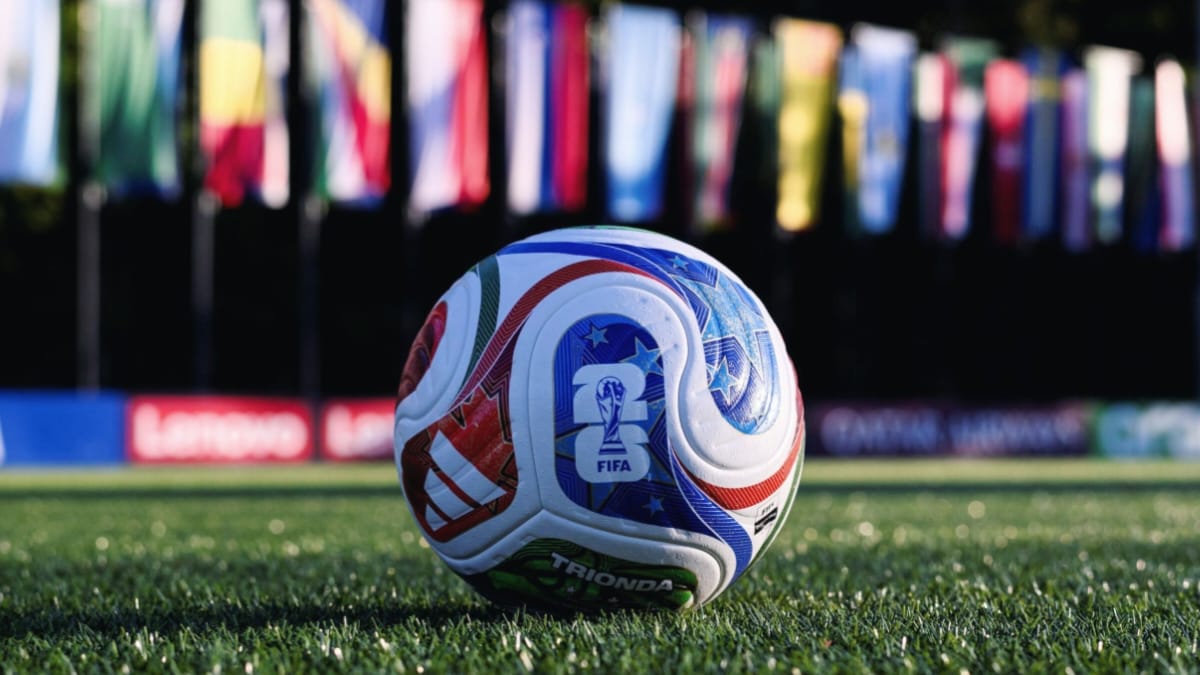
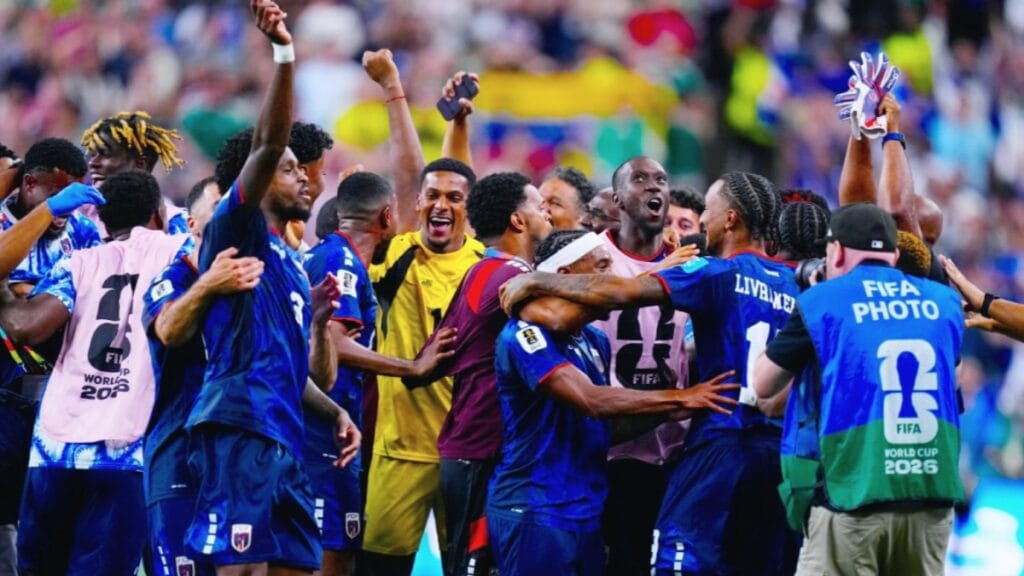
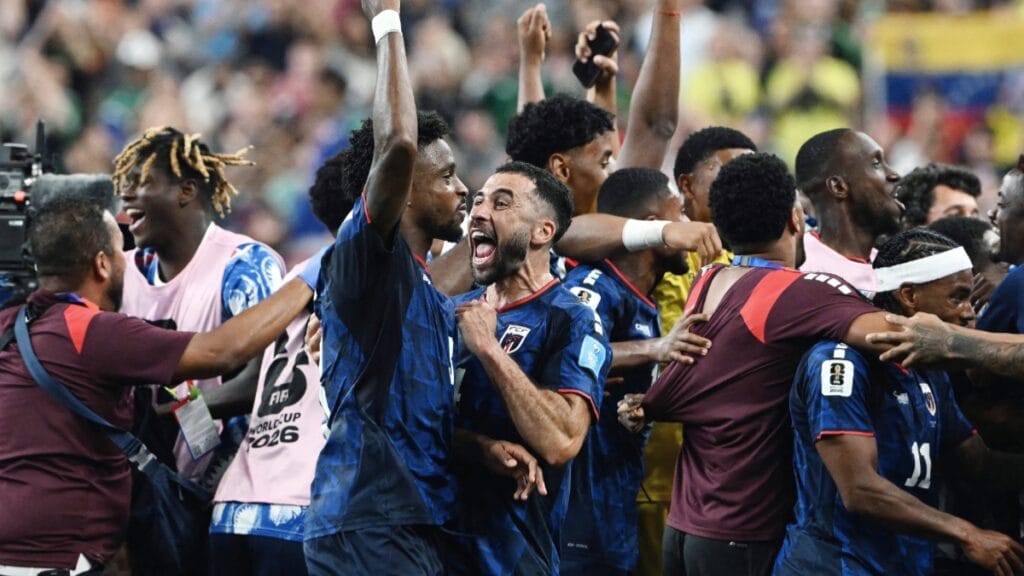
The FIFA World Cup 2026 is rewriting the history books of international football. With 48 teams competing across 16 vibrant cities in the United States, Canada, and Mexico, this tournament is the largest and most ambitious World Cup ever staged. For the first time, the knockout bracket has expanded to include a Round of 32, fundamentally changing how teams approach the group stage and the high-pressure elimination matches that follow. From the opening group games to the grand final at MetLife Stadium on July 19, 2026, the journey to lift the coveted trophy is longer, harder, and more unpredictable than ever before. This guide provides a deep dive into the new bracket format, qualification rules, key dates, potential matchups, and expert predictions to help you navigate every twist and turn of the 2026 FIFA World Cup.
The Historic Expansion: How 48 Teams Reshape the World Cup Bracket
The decision to expand the World Cup from 32 to 48 teams is the most significant structural change in the tournament’s 92-year history. This expansion was driven by FIFA’s vision to make the World Cup more inclusive, giving more nations the opportunity to experience football’s greatest stage. However, it also created a logistical challenge: how to structure a knockout stage that accommodates nearly 50 teams while maintaining competitive integrity.
Under the old 32-team format, the knockout stage began with a Round of 16. The top two teams from each of the eight groups advanced directly, and the tournament moved swiftly through quarter-finals, semi-finals, and the final. That familiar structure has been completely abandoned for 2026. Now, with 12 groups of four teams, the knockout stage starts with a Round of 32, featuring 16 matches instead of eight. This means teams must win four knockout matches just to reach the semi-finals, compared to three in previous tournaments. In total, a champion must now win eight matches (three group-stage matches plus five knockout matches) to lift the trophy, compared to seven wins under the old system.
This expansion has significant implications for player fatigue, squad depth, and tactical planning. Teams can no longer rely on a strong starting eleven alone; they need a deep bench capable of handling a grueling schedule that spans over a month. Coaches must rotate players strategically to keep them fresh for the knockout rounds, and the margin for error in group-stage matches has actually increased because eight third-placed teams now qualify. This creates a fascinating dynamic where teams might play conservatively, knowing they can still advance even with a loss or two.
understand exactly how teams
Understanding the New Qualification System: Group Stage to Round of 32
Before diving into the knockout bracket, it is essential to understand exactly how teams qualify for the Round of 32. The group stage consists of 12 groups labeled A through L, each containing four teams. Every team plays three matches against the other members of their group. Points are awarded as follows: three points for a win, one point for a draw, and zero points for a loss.
The qualification rules for the 2026 World Cup are as follows:
1. The top two teams from each of the 12 groups (24 teams) automatically advance to the knockout stage.
2. The eight best third-placed teams from across all 12 groups also qualify for the Round of 32.
This means that 32 of the 48 teams (two-thirds of the tournament) advance to the knockout stage. This high qualification rate reduces the risk of early elimination for traditional powerhouses while giving underdog teams a realistic path to the knockout rounds. However, it also means that group-stage matches are less “do-or-die” than in previous tournaments, which could lead to more conservative play in the early rounds.
New Tie-Breaker Rules: For the first time in World Cup history, head-to-head results are the primary tie-breaker if teams are level on points. Previously, goal difference was the first differentiator. The new order is:
1. Head-to-head points between tied teams.
2. Head-to-head goal difference between tied teams.
3. Head-to-head goals scored between tied teams.
4. Overall goal difference.
5. Overall goals scored.
6. Fair play points (disciplinary record).
7. Drawing of lots (as a last resort).
This change places greater emphasis on direct confrontations between teams, making those head-to-head group matches incredibly important. A team that loses to a direct rival may find it difficult to recover, even if they beat other teams convincingly.
The Complete Knockout Bracket Structure: Round by Round
The knockout stage of the 2026 World Cup is a single-elimination tournament where every match is sudden death. There are no second chances; teams must win to survive. Here is the complete breakdown of each round, including the dates and the number of matches.
Round of 32 (June 28 – July 3, 2026)
This is the brand-new round that has been added to the World Cup. A total of 32 teams compete in 16 matches over six days. The matchups are determined by a predetermined bracket that pairs group winners with third-placed teams and runners-up with other runners-up. This round is expected to produce significant upsets because third-placed teams are often dangerous, having nothing to lose. The winners advance to the Round of 16, while the losers are eliminated. This round adds another layer of drama and unpredictability to the tournament, as even group winners face a challenging start to their knockout campaign.
Round of 16 (July 4 – July 7, 2026)
The 16 winners from the Round of 32 face off in eight matches. This is the stage where the tournament traditionally began in previous World Cups. By now, teams have settled into their rhythm, and the quality of football is usually at its peak. The Round of 16 often delivers some of the most memorable matches in World Cup history, as teams are just four wins away from lifting the trophy. The pressure is immense, and every mistake is magnified. Key venues for this round include Philadelphia, Seattle, Dallas, and Houston.
Quarter-Finals (July 9 – July 11, 2026)
Only eight teams remain, competing in four high-stakes matches. The quarter-finals are often described as the tournament’s “business end,” where champions are truly separated from contenders. At this stage, fatigue becomes a significant factor because teams have played at least five matches in less than three weeks. Squad depth, tactical discipline, and mental strength are critical. The quarter-finals are hosted in Boston, Los Angeles, Miami, and Kansas City. These cities have been chosen for their world-class infrastructure and passionate football fan bases.
Semi-Finals (July 14 – July 15, 2026)
The final four teams compete in two matches to determine who will play in the grand final. The semi-finals are arguably the most emotionally charged matches of the tournament, with the weight of an entire nation resting on the players’ shoulders. One match is played on July 14 in Dallas at the AT&T Stadium, and the other on July 15 in Atlanta at the Mercedes-Benz Stadium. Both venues are iconic, with retractable roofs and massive capacities, ensuring a spectacular atmosphere regardless of weather conditions.
Third-Place Play-Off (July 18, 2026)
The two losing semi-finalists face off for the bronze medal. While often considered a consolation match, the third-place play-off is fiercely contested because players want to end the tournament on a high note and secure a podium finish for their country. The match is played a day before the final and serves as a warm-up for the main event. The venue for this match is yet to be officially confirmed but is expected to be in one of the host cities that did not receive a semi-final or final assignment.
The Grand Final (July 19, 2026)
The ultimate showdown takes place on Sunday, July 19, 2026, at the MetLife Stadium in East Rutherford, New Jersey, just outside New York City. This iconic venue, which also hosted the Super Bowl, will welcome over 82,000 fans and a global television audience estimated to exceed 1.5 billion people. The final is the culmination of a month-long festival of football, and the two teams competing will have endured the longest and most demanding World Cup campaign in history. The winner will be crowned world champions and will have earned their place in football folklore.
Potential Blockbuster Matchups to Watch
With the group stage now complete, the bracket has revealed several mouth-watering potential matchups. While some fixtures are confirmed, others depend on the outcomes of earlier rounds. Here are the most anticipated clashes in the 2026 World Cup knockout stage.
The Germany vs. France Collision Course
One of the most exciting potential matchups is a Round of 16 clash between Germany and France in Philadelphia on July 4. Both teams are traditional European powerhouses with deep squads filled with world-class talent. Germany, led by their dynamic midfield and clinical finishing, will be looking to reclaim their status as world champions. France, the 2018 winners and 2022 runners-up, boast an enviable squad with Kylian Mbappé leading the line. If both teams win their Round of 32 matches, they will meet in what could be the match of the tournament. This clash has all the ingredients of a classic: tactical masterclasses, individual brilliance, and enormous national pride on the line.
Argentina’s
Argentina’s Defense of Their Crown
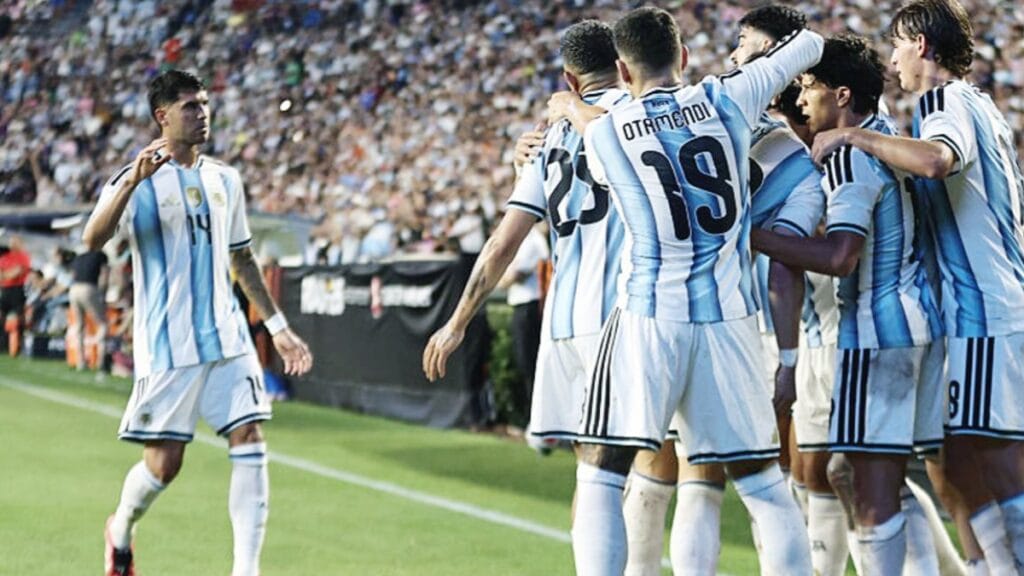
The defending champions, Argentina, are on a mission to retain the trophy they won in 2022. Led by the legendary Lionel Messi, who is likely playing in his final World Cup, Argentina has a relatively favorable path to the later stages. They face Cape Verde in the Round of 32, a team that has exceeded all expectations by reaching the knockout stage. A win would likely set up a Round of 16 clash against a second-placed team from another group, which could be Ecuador or Japan. However, the real drama could come in the quarter-finals, where Argentina could face Portugal in a dream matchup. A potential Argentina vs. Portugal quarter-final would be a fitting stage for Messi and Cristiano Ronaldo to square off one last time on the biggest stage in football. Both players are in the twilight of their careers, and a clash between these two titans would captivate the world.
The United States’ Historic Opportunity
The U.S. Men’s National Team (USMNT) has a golden opportunity to make a deep run in the tournament, especially with the added advantage of playing as co-hosts. The USMNT starts its knockout campaign against Bosnia and Herzegovina in the Round of 32. This is a winnable match for the Americans, who have a young, energetic squad featuring players like Christian Pulisic and Weston McKennie. If they advance, they could face Belgium in the Round of 16, a team that knocked them out of the 2014 World Cup. This would be a chance for redemption and a statement victory that could propel them into the quarter-finals. A potential quarter-final against Brazil would be a monumental challenge, but the USMNT has shown they can compete with the best on their day.
Other Notable Matches
Several other Round of 32 fixtures are generating significant buzz. Brazil vs. Japan is a clash of styles, with Brazil’s flair and attacking prowess against Japan’s discipline and tactical organization. Netherlands vs. Morocco is another exciting matchup, pitting the Dutch giants against the African surprise package that reached the semi-finals in 2022. England vs. Senegal is a tough draw for the English, who will face a physical and athletic Senegalese side. Spain vs. Ukraine is a battle between technical, possession-based teams that could be decided by the finest of margins
Expert Predictions and Dark Horses
Predicting the winner of the 2026 World Cup is notoriously difficult, especially with the expanded format. However, based on current form, squad depth, and historical performance, certain teams stand out as favorites.
Top Contenders:
• Brazil: Always a favorite, Brazil has an embarrassment of riches in attacking positions. Their defensive solidity will be key to their success.
• France: The defending champions from 2018 and runners-up in 2022 have a squad that blends experience with youth. Mbappé is the tournament’s most dangerous player.
• Argentina: The emotional boost of playing for Messi’s final World Cup cannot be underestimated. They are battle-hardened and know how to win tight matches.
• Germany: After a disappointing early exit in 2022, Germany has rebuilt under a new coach and has a point to prove.
Dark Horses:
• Spain: Their possession-based game can suffocate opponents, and they have a crop of exciting young players.
• Netherlands: With a strong defense and attacking options, the Dutch are capable of beating anyone on their day.
• Portugal: Even without Ronaldo at his peak, Portugal has a deep squad and a tactical coach who can outthink opponents.
• England: They have reached the final or semi-finals of the last two major tournaments and have the talent to go all the way.
Surprise Packages:
• Cape Verde: Reaching the Round of 32 is a massive achievement, and they will play without fear.
• Japan: They have consistently performed well on the world stage and could cause more upsets.
• Morocco: Their run to the semi-finals in 2022 proved they are no longer underdogs; they are genuine contenders.
Means for Fans and Viewers
What the New Format Means for Fans and Viewers
For fans, the expanded World Cup format offers more matches, more drama, and more opportunities to see their favorite teams play. However, it also means more football to watch, with 104 matches compared to 64 in previous tournaments. The addition of the Round of 32 means that the tournament is action-packed from the very first day of the knockout stage, and there are fewer “rest days” in the schedule.
For broadcasters and advertisers, the 2026 World Cup is a goldmine. The expanded format generates more broadcast hours, more advertising slots, and more content for digital platforms. The three-host-nation setup also means matches are played in different time zones (Eastern, Central, Mountain, and Pacific in the US, as well as Mexican and Canadian time zones), making it a truly global viewing experience.
For players and coaches, the expanded tournament presents significant physical and mental challenges. The travel distances between host cities are vast, with teams potentially flying thousands of miles between matches. Recovery time is shorter, and the risk of injury is higher. Teams with advanced sports science departments and deep squads will have a distinct advantage.
The FIFA World Cup 2026 bracket is a brave new world for international football. The expansion to 48 teams has fundamentally altered the tournament’s structure, creating a longer, more demanding path to glory that includes a brand-new Round of 32. From the group stage qualification rules to the thrilling knockout matches at iconic stadiums across North America, this World Cup promises to be the most unpredictable and exciting in history. Potential clashes like Germany vs. France, Argentina vs. Portugal, and the USMNT’s quest for redemption against Belgium are just a few of the storylines that will captivate billions of fans worldwide. As the tournament unfolds from June 11 to July 19, 2026, one thing is certain: the team that emerges victorious will have earned their place in history, having navigated the most complex and challenging bracket ever created. Whether you are a casual fan or a die-hard football enthusiast, this is a World Cup you will not want to miss. Mark your calendars, set your alarms, and get ready for a month of unforgettable football.