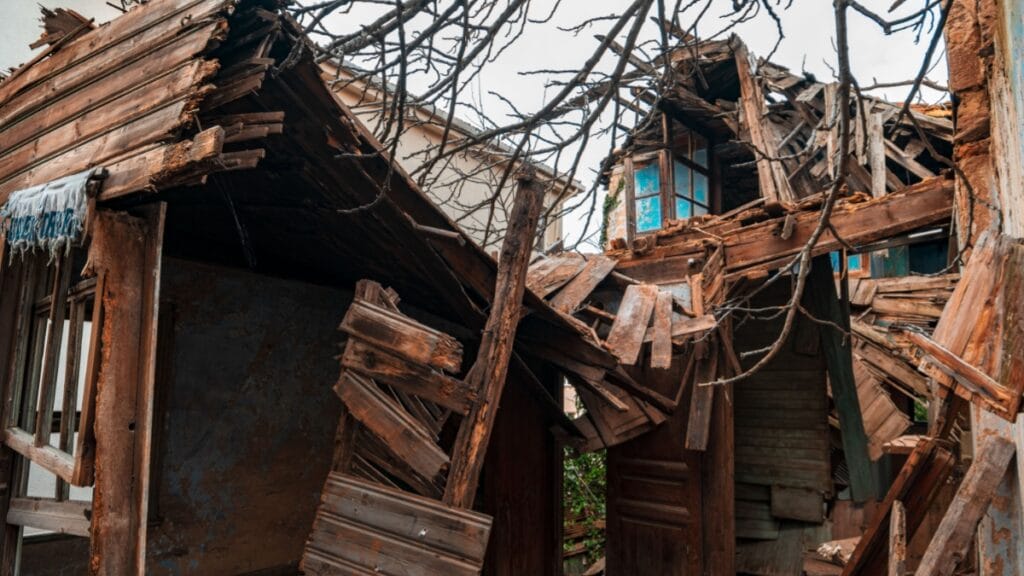
Imagine standing on solid ground, and within seconds, the earth beneath you begins to shake violently. This is the terrifying reality of an earthquake, one of nature’s most powerful and unpredictable forces. Earthquakes strike without warning, turning cities into rubble in mere moments and leaving behind trails of destruction that can take years to rebuild. But here’s a crucial truth that many people don’t realize: earthquakes don’t kill people; collapsing buildings do. This means that with proper preparation, strong infrastructure, and the right knowledge, we can significantly reduce the loss of life and property. Whether you live in a high-risk seismic zone or a region that rarely experiences tremors, understanding earthquakes is essential for everyone. This comprehensive guide will take you through the fascinating science of how earthquakes occur, the global and regional risks, and most importantly, the practical steps you can take to protect yourself and your loved ones. Preparation is not just an option, it is your greatest defense.
The Science Behind the Shaking: How Earthquakes Occur
To truly understand earthquakes, we must first explore the structure of our planet. Earth is composed of four main layers: the inner core, outer core, mantle, and crust. The outermost layer, the crust, is relatively thin and is broken into massive pieces called tectonic plates. These plates are not stationary; they are constantly moving, albeit very slowly, at about the same rate that your fingernails grow. They slide past each other, collide, and pull apart, shaping the surface of our planet over millions of years.
Earthquakes Occur
The Elastic Rebound Theory
The most widely accepted explanation for tectonic earthquakes is the elastic rebound theory, first proposed by geologist Harry Fielding Reid following the devastating 1906 San Francisco earthquake. This theory helps us visualize what happens deep beneath the surface. As tectonic plates move, the rocks along their boundaries, known as faults, are subjected to immense stress and strain. For a period, these rocks deform elastically, much like a rubber band stretches when you pull it. However, rocks have their limits. When the accumulated stress finally exceeds the strength of the rocks, they suddenly fracture and snap back to a new position. This sudden release of stored strain energy travels outward in all directions as seismic waves, causing the ground to shake violently. The surface along which the rocks slip is called a fault.
Types of Faults
Faults are classified based on the direction of movement between the blocks of crust:
• Normal Faults: These occur when the crust is being pulled apart (extensional forces). The block above the fault moves downward relative to the block below.
• Reverse (Thrust) Faults: These occur when the crust is being compressed (compressional forces). The block above the fault moves upward.
• Strike-Slip Faults: These occur when blocks move horizontally past each other. The famous San Andreas Fault in California is a prime example of a strike-slip fault
Seismic Waves: How Shaking Travels
When an earthquake occurs, the point where the energy originates deep within the Earth is called the focus (or hypocentre), and the point directly above it on the surface is the epicentre. The energy released travels in the form of seismic waves, which are of two main types:
1. Body Waves: These travel through the Earth’s interior.
• P-Waves (Primary Waves): These are the fastest seismic waves and the first to be recorded by seismographs. They are compressional waves, meaning they push and pull the material they pass through, similar to sound waves.
• S-Waves (Secondary Waves): These are slower than P-waves and arrive second. They are shear waves that move the ground up and down or side to side.
2. Surface Waves: These travel along the Earth’s surface and are slower than body waves, but they are responsible for the most significant destruction because they cause the ground to roll and sway.
Measuring the Unpredictable: Magnitude vs. Intensity
When an earthquake strikes, news reports often mention its magnitude and intensity. While these terms are sometimes used interchangeably, they represent two entirely different concepts. Understanding this difference is crucial for assessing the potential impact of a seismic event.
Magnitude: The Energy Released
Magnitude measures the total amount of energy released at the earthquake’s source. It is a single, objective number determined by analyzing seismograms recorded on instruments called seismographs. Scientists today prefer the moment magnitude scale (MW) because it accurately measures earthquakes of all sizes. The moment magnitude scale is logarithmic, meaning that each whole number increase in magnitude represents a tenfold increase in ground shaking amplitude and approximately 32 times more energy release. For example, a magnitude 6.0 earthquake releases 32 times more energy than a magnitude 5.0 earthquake. The largest earthquake ever recorded, the 1960 Valdivia earthquake in Chile, had a magnitude of 9.5.
Intensity: The Shaking at a Location
Intensity, on the other hand, measures the strength of shaking produced by an earthquake at a specific location. Unlike magnitude, intensity is a subjective measure based on observed effects on people, buildings, and the natural environment. It is commonly measured using the Modified Mercalli Intensity Scale, which ranges from I (not felt) to XII (total destruction). One earthquake will have many different intensity values, as the shaking is strongest near the epicentre and weakens with distance. For instance, a major earthquake may have an intensity of IX near its epicentre, causing significant structural damage, while a city hundreds of kilometers away may experience only intensity IV or V, with minor effects.
Global Risk Zones: Where Earthquakes Strike Most
Earthquakes are a global phenomenon, but they do not occur randomly. Approximately 90% of all earthquakes and 80% of the largest earthquakes occur along the “Ring of Fire,” a horseshoe-shaped path in the Pacific Ocean characterized by active volcanoes and frequent seismic activity. This region spans the coasts of Japan, the Philippines, Indonesia, Alaska, and the western Americas.
The Indian Subcontinent: A Region of High Vulnerability
India is one of the most seismically vulnerable countries in the world. The primary reason for this is the ongoing collision between the Indian tectonic plate and the Eurasian plate. This monumental collision, which began around 50 million years ago, continues to push the Himalayan mountain range higher and accumulates immense seismic strain beneath the region. This makes the entire Himalayan belt and its surrounding areas extremely prone to devastating earthquakes.
The National Disaster Management Authority (NDMA) of India has divided the country into four seismic zones based on the level of earthquake risk:
• Zone V (Very High Risk): This is the most seismically active zone. It includes the entire northeastern region of India, parts of Jammu and Kashmir, Himachal Pradesh, Uttarakhand, and the Kutch area of Gujarat. Cities like Guwahati, Srinagar, and Dehradun fall under this zone.
• Zone IV (High Risk): This zone covers areas that are likely to experience strong earthquakes. It includes Delhi, parts of Punjab, Haryana, West Bengal, and Bihar. The national capital, Delhi, is located in Zone IV and is considered highly vulnerable.
• Zone III (Moderate Risk): This zone includes Mumbai, Chennai, Kolkata, and large parts of Rajasthan and Madhya Pradesh. While the risk is moderate, large populations in these cities make them vulnerable.
• Zone II (Low Risk): This zone covers most of southern India and is considered to have the lowest seismic risk. However, even Zone II areas can experience damaging earthquakes on rare occasions.
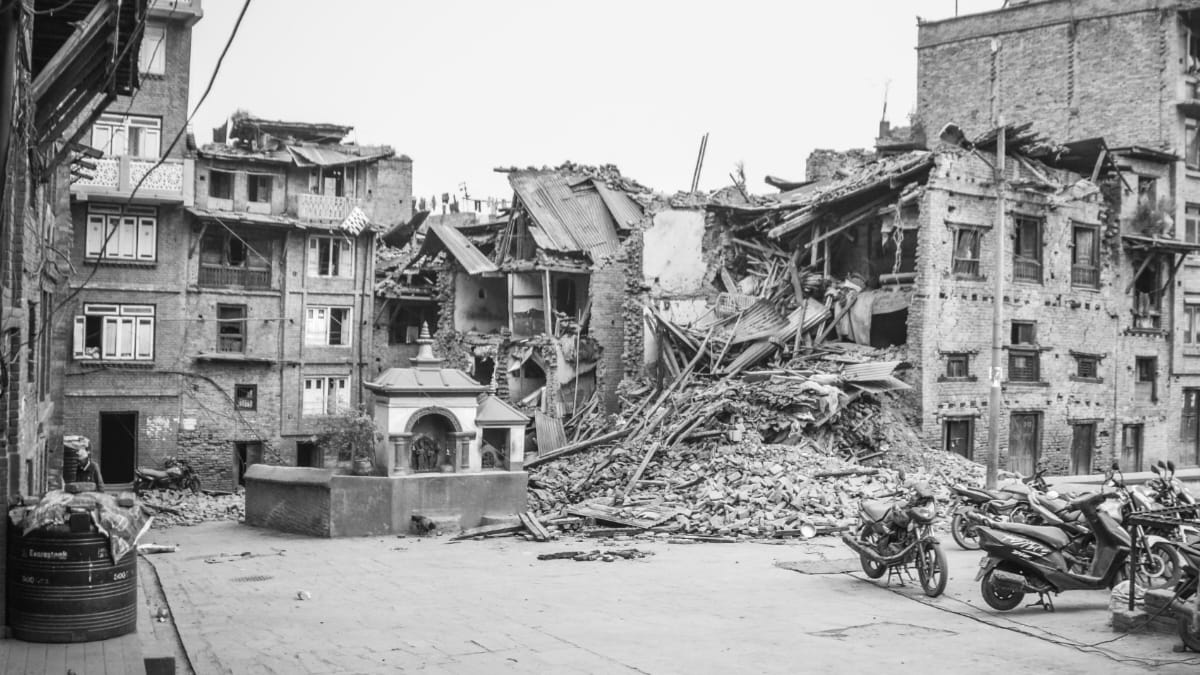
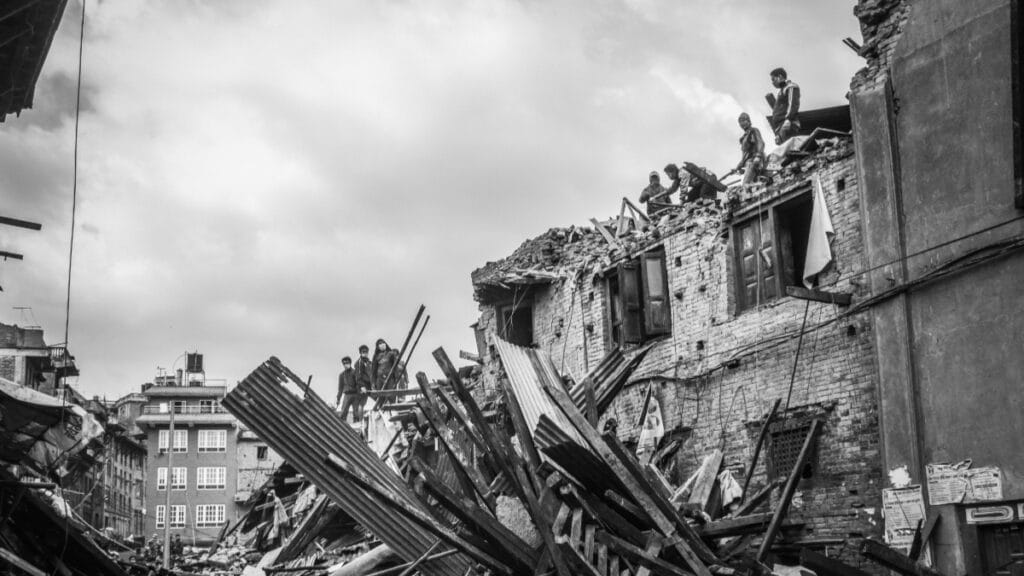
A critical and sobering fact is that a large proportion of India’s building stock is not earthquake-resistant. Many older buildings, especially in densely populated urban areas, are constructed with unreinforced masonry, confined masonry, or other traditional systems that collapse easily during shaking. The 2001 Bhuj earthquake (magnitude 7.7) in Gujarat and the 1934 Bihar-Nepal earthquake (magnitude 8.0) serve as grim reminders of the devastating consequences. Similarly, the 2015 Gorkha earthquake in Nepal (magnitude 7.8), which killed nearly 9,000 people, highlighted how vulnerable traditional buildings can be, as nearly 77% of the structures were made of brick or stone with mud mortar.
Before an Earthquake: Your Ultimate Preparation Checklist
Predicting the exact time and location of an earthquake remains beyond the reach of modern science. While scientists can assess probabilities, such as a 70% chance of a major earthquake in a specific area within the next 30 years, they cannot give a precise warning. Therefore, preparedness is not optional; it is essential. The steps you take today are like deposits in your “survivability savings account” that you can withdraw from during a crisis.
Secure Your Home and Workplace
• Anchor Heavy Furniture: Bolt heavy bookshelves, cabinets, and water heaters to wall studs using flexible straps. This prevents them from tipping over and causing injuries.
• Store Breakable Items Properly: Place heavy and fragile items on lower shelves to minimize the risk of them falling on someone.
• Secure Hanging Objects: Hang mirrors, pictures, and clocks on closed hooks rather than nails to prevent them from falling.
• Identify Safe Spots: In every room, identify sturdy furniture (like a heavy desk or table) that you can use as a protective shelter. This is where you will “Drop, Cover, and Hold On.”
• Know Your Utilities: Learn where your gas meter, water main, and electrical circuit breakers are located. Keep the necessary tools (like a wrench) nearby to turn them off in case of a leak or damage.
Assemble Emergency Supply Kits
An earthquake can disrupt essential services like water, electricity, and communication for days or even weeks. You should be prepared to survive on your own for a minimum of 72 hours (three days). Prepare a disaster supply kit for your home, workplace, and vehicle. Your kit should include:
• Water: At least 1 gallon (about 4 liters) per person per day for a minimum of 3-5 days. This is for drinking and sanitation.
• Food: A supply of non-perishable food that does not require cooking, such as canned goods, energy bars, and dried fruits.
• First Aid Kit: A well-stocked kit with bandages, antiseptic wipes, pain relievers, and necessary prescription medications for at least one week.
• Tools and Supplies: A battery-powered or hand-crank radio, a flashlight, extra batteries, a multi-tool, duct tape, and a whistle (to signal for help).
• Important Documents: Keep photocopies of important documents (ID cards, insurance policies, bank records) in a waterproof bag
• Cash: Have small bills and coins, as ATMs and card readers may not work.
• Special Needs: Include supplies for infants, elderly family members, and pets.
Develop a Family Communication Plan
• Designate an Out-of-State Contact: Phone networks often get congested during emergencies. Choose a relative or friend in another state or country as a central point of contact for all family members to check in with. Text messages often get through more reliably than voice calls.
• Establish a Meeting Place: Decide on two meeting places, one right outside your home (in case of a fire) and another outside your neighborhood (in case you cannot return home).
• Practice Earthquake Drills: Regularly practice the “Drop, Cover, and Hold On” drill with all family members so that the actions become instinctive.
During an Earthquake: Immediate Actions to Protect Yourself
When the ground begins to shake, you may have only seconds to react. The key is to act immediately and without hesitation. The universally recommended safety procedure is “Drop, Cover, and Hold On.”
If You Are Indoors: • DROP to your hands and knees immediately. This position prevents you from being knocked over and allows you to crawl to shelter.
• COVER your head and neck with your arms. If a sturdy table or desk is nearby, crawl under it for protection. If no shelter is available, crawl next to an interior wall, away from windows.
• HOLD ON to your shelter (or your head and neck) until the shaking stops. Be prepared to move with your shelter if it shifts.
• Stay away from windows, mirrors, glass, and heavy objects that could fall. Also, avoid doorways unless you know they are load-bearing, as modern doorways are not stronger than other parts of a building.
If You Are Outdoors: • Move to a clear area away from buildings, trees, streetlights, and utility wires. The greatest danger outdoors is falling debris and electrocution from downed power lines.
• If you are in a city, stay away from overpasses, bridges, and buildings, as they are prone to collapse.
If You Are Driving
• Pull over to the side of the road as soon as it is safe to do so. Avoid stopping on or under bridges, overpasses, or near power lines.
• Set the parking brake and stay inside your vehicle until the shaking stops. Your car may rock, but it is a relatively safe place to be.
• Avoid stopping under trees or light posts that could fall.
If You Are Near the Coast
• If you feel strong shaking that lasts for more than 20 seconds, a tsunami may be imminent. Immediately move to higher ground or inland as far as possible. Do not wait for an official warning.
After an Earthquake: Staying Safe in the Aftermath
The immediate danger does not end when the shaking stops. The aftermath of an earthquake brings its own set of hazards, including aftershocks, fires, and structural damage. Your actions in the minutes and hours after the quake are critical for survival.
Check for Aftershocks and Damage
• Expect Aftershocks: Aftershocks are smaller earthquakes that can occur for days, weeks, or even months after the main shock. They can cause additional damage to weakened structures. Be ready to Drop, Cover, and Hold On again if you feel one.
• Check for Injuries: Check yourself and others for injuries. Administer first aid for serious injuries, but do not move critically injured persons unless they are in immediate danger of further harm.
• Inspect Your Home: Carefully inspect your home for structural damage, gas leaks, and electrical hazards. If you smell gas or hear a hissing sound, turn off the main gas valve if it is safe to do so, open windows, and leave the building immediately. Do not use any open flames.
• Clean Up Spills: Clean up any spilled medications, flammable liquids, or poisonous materials immediately to prevent accidents.
Communication and Evacuation
• Use Phones for Emergencies Only: Save phone calls for life-threatening emergencies. Mobile networks may be overloaded. Text messages and social media are often more reliable for communication.
• Listen to Authorities: Tune in to local radio or television stations for emergency information and official instructions from authorities.
• Evacuate if Necessary: If you are in a coastal area and a tsunami warning has been issued, move to higher ground immediately. If you are in a damaged building, evacuate and do not re-enter until authorities have declared it safe.
• Be a Good Neighbor: Check on your elderly neighbors, people with disabilities, or anyone who might need extra help.
Future Technologies: Building Earthquake-Resilient Communities
While we cannot stop earthquakes, we can significantly reduce their impact through smarter construction, early warning systems, and community preparedness. The future of earthquake safety lies in a combination of engineering innovation and public awareness.
Earthquake-Resistant Building Design
Modern earthquake-resistant buildings are designed to absorb and dissipate seismic energy. Key technologies include:
• Base Isolation: This system separates the building from its foundation using flexible bearings (often made of layers of rubber and steel). These bearings act like shock absorbers, allowing the building to move slightly while the ground shakes, significantly reducing the forces transmitted to the structure. This is considered one of the most effective ways to protect buildings.
• Energy Dissipation Devices (Dampers): These are specially designed devices, such as viscous dampers or tuned mass dampers (like the giant pendulum in Taipei 101), that absorb the kinetic energy of ground motion and reduce the swaying of tall buildings.
• Shear Walls and Bracing: These are structural elements that strengthen a building’s resistance to lateral (side-to-side) forces, preventing it from twisting or collapsing during an earthquake.
• Shape Memory Alloys: These innovative materials, like nitinol, can bend significantly under stress and then return to their original shape without permanent damage, making them ideal for reinforcing critical structural connections.
Earthquake Early Warning Systems (EEWS)
While prediction is not possible, early warning systems can provide seconds to minutes of notice before shaking arrives. These systems detect the fast-moving P-waves (which cause little damage) and quickly calculate the location and magnitude of the earthquake. They then send alerts to warn people in the path of the more destructive S-waves and surface waves. Japan, Mexico, and California have implemented such systems. A few seconds of warning can allow people to:
• Drop, Cover, and Hold On.
• Stop elevators at the nearest floor.
• Shut down critical infrastructure like gas pipelines and power plants.
• Halt trains and other transportation to prevent derailments.
Earthquakes are a fundamental, awe-inspiring, and sometimes terrifying force of nature. They are a consequence of the immense energy generated by our planet’s constantly moving tectonic plates, a process that has shaped the Earth’s surface over millions of years. While the exact timing and location of the next major earthquake remain beyond our ability to predict with absolute certainty, the science of how they work is extremely well understood. We know where they are most likely to strike, how to measure their magnitude and intensity, and, most importantly, how to prepare for their inevitable arrival.
The difference between a destructive natural event and a catastrophic disaster lies in preparedness and resilience. The tragedy of earthquakes is not that they happen, but that we fail to learn from them and build safer communities. In India, and across the globe, this means enforcing strict building codes, retrofitting vulnerable old structures, and educating every citizen about the life-saving steps to take before, during, and after an earthquake.
Your personal safety and the safety of your loved ones are in your hands. Take action today. Secure your home, assemble an emergency kit, create a family plan, and practice the “Drop, Cover, and Hold On” drill until it becomes second nature. Encourage your workplace and community to do the same. Remember, earthquakes don’t have to be disasters. With the right knowledge and preparation, you can face the shaking with confidence and survive.
Frequently Asked Questions (FAQs)
1. Can animals predict earthquakes? There have been many anecdotal reports of unusual animal behavior before earthquakes, but there is no scientific consensus or reliable evidence that animals can predict earthquakes. It remains a subject of ongoing research.
2. Is the Richter Scale still used? The Richter Scale was developed in 1935 and is still used for historical purposes and small local earthquakes. However, for all modern large earthquakes, scientists use the moment magnitude scale (MW) , which is more accurate and measures the total energy released over a wider range.
3. What is the largest earthquake ever recorded? The largest earthquake ever recorded was the 1960 Valdivia earthquake in Chile, which had a magnitude of 9.5. It caused massive damage and triggered a tsunami that affected coastal areas as far away as Hawaii and Japan.
4. Why does Delhi experience so many tremors? Delhi is located in Seismic Zone IV (High Risk) and is close to several active fault lines. Additionally, the city is built on alluvial soil, which can amplify ground shaking, making it feel stronger than it might on rocky terrain.
5. How long does an earthquake usually last? The main shaking from a large earthquake typically lasts for 10 to 30 seconds. However, the duration can vary depending on the size of the earthquake and the geological conditions. The 2004 Indian Ocean earthquake, for example, produced shaking that lasted for nearly 10 minutes in some areas.
Stay safe, stay informed, and always be prepared. Share this guide with your friends and family to help build a more resilient community.