Do you know which incident is known as the biggest chemical accident in India? It’s not just an accident; it is one of the world’s worst industrial disasters. On the night of December 2-3, 1984, the city of Bhopal in Madhya Pradesh witnessed a tragedy so horrific that it changed industrial safety laws forever. A deadly gas leaked from a pesticide factory, killing thousands within hours. Let’s dive deep into the details of this heartbreaking event – the Bhopal Gas Tragedy.
Biggest Chemical Accident in India: The Bhopal
What is the Biggest Chemical Accident in India? (Bhopal Gas Tragedy Explained)
The biggest chemical accident in India is undoubtedly the Bhopal Gas Tragedy (also known as the Bhopal Disaster). This catastrophic event took place at the Union Carbide India Limited (UCIL) pesticide plant in Bhopal, Madhya Pradesh, on the night of December 2-3, 1984.
A highly toxic gas called Methyl Isocyanate (MIC) leaked from the factory, spreading rapidly over the sleeping city. Unlike typical accidents, this was not a small spill. It was a massive industrial catastrophe that killed thousands of people instantly and left hundreds of thousands with lifelong disabilities. Even today, nearly 40 years later, the effects of this disaster continue to harm the residents of Bhopal.
The tragedy is often called the “Industrial Chernobyl” because of its devastating long-term environmental and human impact. It remains a dark reminder of what happens when corporate greed overpowers human safety.
What Happened on the Night of December 2-3, 1984?
Let’s walk through that fateful night step by step. Understanding the sequence of events is crucial to realizing why this became the biggest chemical accident in India.
How Did the Gas Leak Occur?
The Union Carbide factory stored huge quantities of Methyl Isocyanate (MIC) gas in large underground tanks. MIC is extremely volatile and requires constant cooling to remain stable. On the night of December 2, 1984, around 11:30 PM, workers noticed a sudden pressure increase in Tank Number E610. Toxic gas started leaking from the tank, and its temperature rose dangerously.
Here’s where the tragedy deepened. Most of the safety systems that could have prevented the disaster were either broken or turned off:
• The refrigeration system (which kept the gas cool) had been switched off to save money.
• The flare tower (designed to burn off any leaking gas) was not operational.
• The water sprinkler system (which could have neutralized the gas) had insufficient water pressure.
How Did the Gas Spread?
Since MIC gas is heavier than air, it did not rise into the sky. Instead, it hugged the ground like a deadly, invisible blanket and spread across the city. The wind carried the gas toward the most densely populated slum areas near the factory, including J.P. Nagar, Kazi Camp, and Chola Road. Millions of sleeping people unknowingly inhaled the poison. Within hours, streets were filled with people gasping for breath, vomiting, and collapsing.
Devastating Aftermath of the Bhopal Gas Tragedy
The consequences of the biggest chemical accident in India were so horrific that they are difficult to put into words. This was not a one-night disaster; it was a generational curse.
Immediate Deaths (Casualties on Day One)
Official government figures state that around 2,500 to 3,000 people died on that very night. However, independent reports and local activists claim the death toll was much higher – between 15,000 and 20,000. Bodies piled up on the roads. Hospitals were overwhelmed. There was no space in morgues, so bodies were buried in mass graves.
Long-Term Health Effects (The Silent Killer)
The gas did not stop killing after one night. In the weeks and months that followed, thousands more died due to lung failure, brain damage, and organ failure. Even today, survivors suffer from:
• Eye problems including partial or complete blindness
• Cancer (due to toxic exposure)
• Neurological disorders (seizures, memory loss)
• Kidney and liver damage
Impact on Children and Future Generations
One of the most heartbreaking effects was on newborns and unborn children. Thousands of children were born with physical deformities, mental disabilities, and genetic abnormalities. This proves that the poison affected the very DNA of the victims, passing the tragedy to the next generation.
Main Causes of the Bhopal Disaster (Why Did It Happen?)
To prevent such a tragedy from happening again, we must understand why the biggest chemical accident in India occurred in the first place. Was it really an “accident,” or was it criminal negligence?
1. Complete Ignorance of Safety Standards
Union Carbide, an American company, had much stricter safety standards in its US factory. In Bhopal, they installed a manual, outdated system to cut costs. Key safety features were either missing or non-functional:
• The refrigeration unit was turned off (this kept MIC cool and stable).
• The gas scrubber (which could have neutralized the leaking gas) was inactive.
• The flare tower (which burns toxic gas) was under repair.
2. Cost-Cutting and Greed
The company deliberately reduced the inventory of spare parts and reduced the number of skilled workers to save money. They also stored MIC in tanks that were only 1/4 full, which is actually more dangerous than storing them full. Why? Because partially filled tanks allow more space for chemical reactions to occur.
3. Location Near Residential Areas
By law, chemical factories must be located far away from human settlements. But Union Carbide allowed slums and colonies to grow right next to the factory to provide cheap labor. When the gas leaked, there was no buffer zone to protect the people. Thousands of families lived within one kilometer of the plant.
4. Poor Training and Communication
The workers on duty that night had no proper training to handle an emergency. They did not even understand the readings on the control panels. When the leak started, they ran away instead of activating safety systems. There was also no siren or public warning system to alert the sleeping city.
How Did MIC Gas Affect the Human Body?
To truly grasp the horror of the biggest chemical accident in India, you need to understand what Methyl Isocyanate or MIC gas does to the human body. It is not a slow poison. It attacks multiple organs simultaneously and causes death within hours if exposure is high. Let me explain clearly how this deadly gas destroys different parts of the body.
Effect on the Lungs
MIC gas is extremely irritating to the respiratory system. When a person breathes it in, the gas directly attacks the delicate tissues of the lungs. It causes pulmonary edema, which means fluid fills up the tiny air sacs inside the lungs. The victim essentially drowns from the inside even while standing on solid ground. Symptoms include severe coughing, choking, frothy sputum, and an inability to breathe. Most victims of the Bhopal tragedy died due to respiratory failure within hours of exposure.
Effect on the Eyes
The eyes are the most sensitive part of the body to MIC gas. Since the gas is heavier than air, it stays close to the ground and directly contacts the eyes of sleeping people. It causes severe chemical burns on the cornea, which is the clear front part of the eye. Victims experienced immediate burning sensation, excessive tearing, and blurred vision. In many cases, the cornea became permanently damaged, leading to partial or complete blindness. Thousands of survivors lost their eyesight permanently after that night.
Effect on the Digestive System
MIC gas does not only affect the lungs and eyes. When it enters the body through breathing, it also reaches the stomach and intestines through the bloodstream. Victims suffered from severe nausea, vomiting, and stomach cramps. Many had blood in their vomit and stool due to internal bleeding in the digestive tract. The gas also damaged the liver, which is responsible for detoxifying poisons. As a result, many survivors developed chronic liver diseases later in life.
Effect on the Brain and Nervous System
The nervous system is another major target of MIC gas. Once the gas enters the blood, it travels to the brain and damages nerve cells. Victims experienced seizures, loss of muscle coordination, confusion, and memory loss. In severe cases, people fell into a coma and never woke up. Long-term survivors have reported ongoing problems like frequent headaches, dizziness, tremors, and even psychiatric issues such as depression and anxiety.
Effect on the Reproductive System and Unborn Children
This is perhaps the most heartbreaking effect of all. MIC gas caused miscarriages in pregnant women who were exposed to the gas. Thousands of women lost their unborn babies on that single night. Among those who did give birth later, a shocking number of children were born with severe physical deformities such as missing limbs, extra fingers, cleft lips, and abnormal skull shapes. Many children also suffered from mental retardation and developmental delays. Scientists later confirmed that the gas caused genetic mutations, meaning the poison damaged the very DNA of the survivors. This is why the tragedy continues to affect the next generation even today.
Effect on the Skin
The skin is the largest organ of the body, and it was not spared either. MIC gas caused chemical burns on exposed skin. Survivors developed painful rashes, blisters, and ulcers that took weeks or months to heal. Many victims suffered from permanent skin diseases like chronic dermatitis. Their skin became overly sensitive to sunlight, chemicals, and even normal touch.
Why Was the Effect So Fast and Severe?
MIC gas is unique because it is both a direct irritant and a systemic poison. First, it burns the tissues it directly touches, like the eyes, skin, and lungs. Second, it gets absorbed into the blood and damages internal organs like the liver, kidneys, and brain. There is no antidote for MIC poisoning. Treatment is only supportive – meaning doctors can only try to help the body heal itself, but they cannot stop the poison once it has entered deeply. This is why so many people died despite reaching hospitals quickly.
In short, the human body has no natural defense against MIC gas. It attacks from the outside and the inside at the same time. The survivors of Bhopal did not just suffer for one night. They suffered for a lifetime, and many are still suffering today.
Legal Battle and Compensation (Justice Delayed, Justice Denied?)
After the biggest chemical accident in India, the world expected justice. But what happened instead was a long, painful legal battle that continues to this day.
The Settlement
In 1989, the Indian government and Union Carbide reached a settlement. The company paid $470 million (approximately 715 crore rupees at that time) as a full and final settlement for all claims. This means that survivors cannot ask for more money even today.
How Much Did Each Victim Get?
The money was distributed to victims through a government scheme. But the amounts were insultingly small:
• Families of the deceased received around ₹1-2 lakh (about $2,000-4,000 at that time).
• Injured victims received even less – sometimes as low as ₹25,000 ($500).
To make matters worse, most of the money got stuck in corruption and bureaucratic delays. Many victims never received a single rupee.
Criminal Case Against Union Carbide
The Indian government filed a criminal case against Union Carbide’s CEO Warren Anderson and other officials. Warren Anderson was declared a fugitive by Indian courts, but the US never extradited him. He died in 2014 without ever serving a single day in jail.
Where is the Toxic Waste Now?
Even today, 350 tons of toxic waste remains at the abandoned factory site. The waste has been leaking into the groundwater for 40 years, poisoning the soil and water of Bhopal. The government has finally started disposing of it in 2024, but environmentalists say it is “too little, too late.”
Industrial Safety Lessons from the Bhopal Gas Tragedy
The biggest chemical accident in India forced the government and industries worldwide to rethink safety protocols. Several important laws were passed as a direct result of this tragedy.
1. Environment Protection Act (1986)
The Indian government enacted the Environment Protection Act, 1986. This gave the central government power to take measures to protect the environment and regulate hazardous industries.
2. Public Liability Insurance Act (1991)
This act made it mandatory for industries handling hazardous substances to take out insurance policies. The goal was to ensure that victims receive immediate financial relief without going through long court battles.
3. Manufacture, Storage, and Import of Hazardous Chemicals Rules (MSIHC Rules)
These rules require industries to:
• Prepare emergency plans and share them with local authorities.
• Keep a buffer zone between the factory and residential areas.
• Conduct regular safety audits.
4. Right to Information (RTI)
Although not directly related, the Bhopal disaster created a demand for transparency. Citizens now have the Right to Information (RTI Act, 2005) to ask government and industries about safety measures.
What Still Needs to Be Done?
Despite these laws, enforcement remains weak. Many chemical factories in India still operate without proper safety systems. Regular inspections are often faked or ignored due to corruption. The Bhopal tragedy teaches us that laws are useless unless they are implemented strictly.
Bhopal Today – The Untold Pain Continues
Even after 40 years, the survivors of the biggest chemical accident in India are still suffering. This is not history – it is ongoing injustice.
Health Issues in Survivors
Thousands of survivors still live in slums near the abandoned factory. They suffer from:
• Cancer at rates much higher than the national average.
• Chronic asthma and tuberculosis.
• Vision loss that continues to worsen.
• Mental health issues like depression and PTSD.
The Next Generation is Still Affected
Children born to survivors often have birth defects like:
• Missing or extra fingers/toes.
• Cleft lips and palates.
• Intellectual disabilities.
• Weak immune systems leading to frequent infections.
The Abandoned Factory
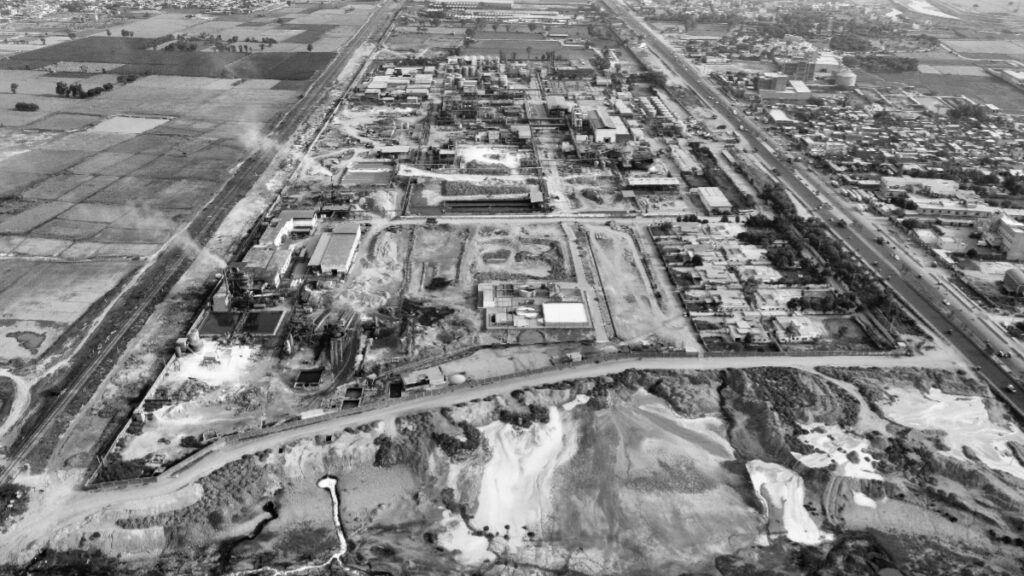
The Union Carbide factory remains uncleaned and abandoned. It is a ghostly structure filled with rusted pipes, broken equipment, and buried toxic waste. Local children sometimes play near it, unaware of the danger. Environmental activists have been demanding proper remediation and cleanup for decades.
What Do the Survivors Want?
The survivors and their families have three main demands:
1. Proper medical care and financial compensation.
2. Complete cleanup of the toxic waste.
3. Punishment for the guilty corporate officials.
None of these demands have been fully met yet.
Conclusion – Never Forget, Never Repeat
The biggest chemical accident in India – the Bhopal Gas Tragedy of 1984 – is not just a date on the calendar. It is a story of corporate greed, government failure, and human suffering on an unimaginable scale. Thousands died that night. Hundreds of thousands continue to suffer. And the guilty have never been punished.
But the Bhopal tragedy also serves as a wake-up call. It taught the world that:
• Human life is more important than corporate profits.
• Safety systems cannot be compromised to save money.
• Regular inspections and strict laws are essential.
• Citizens have the right to know about hazardous industries near them.
As we remember the victims of Bhopal, we must ask ourselves: Have we really learned the lesson? The answer is yes and no. While laws have improved, implementation remains weak. New chemical disasters still happen in India and around the world – though none as big as Bhopal.
What can you do?
• Stay informed about industries in your area.
• Demand safety audits and transparency.
• Support Bhopal survivors and their fight for justice.